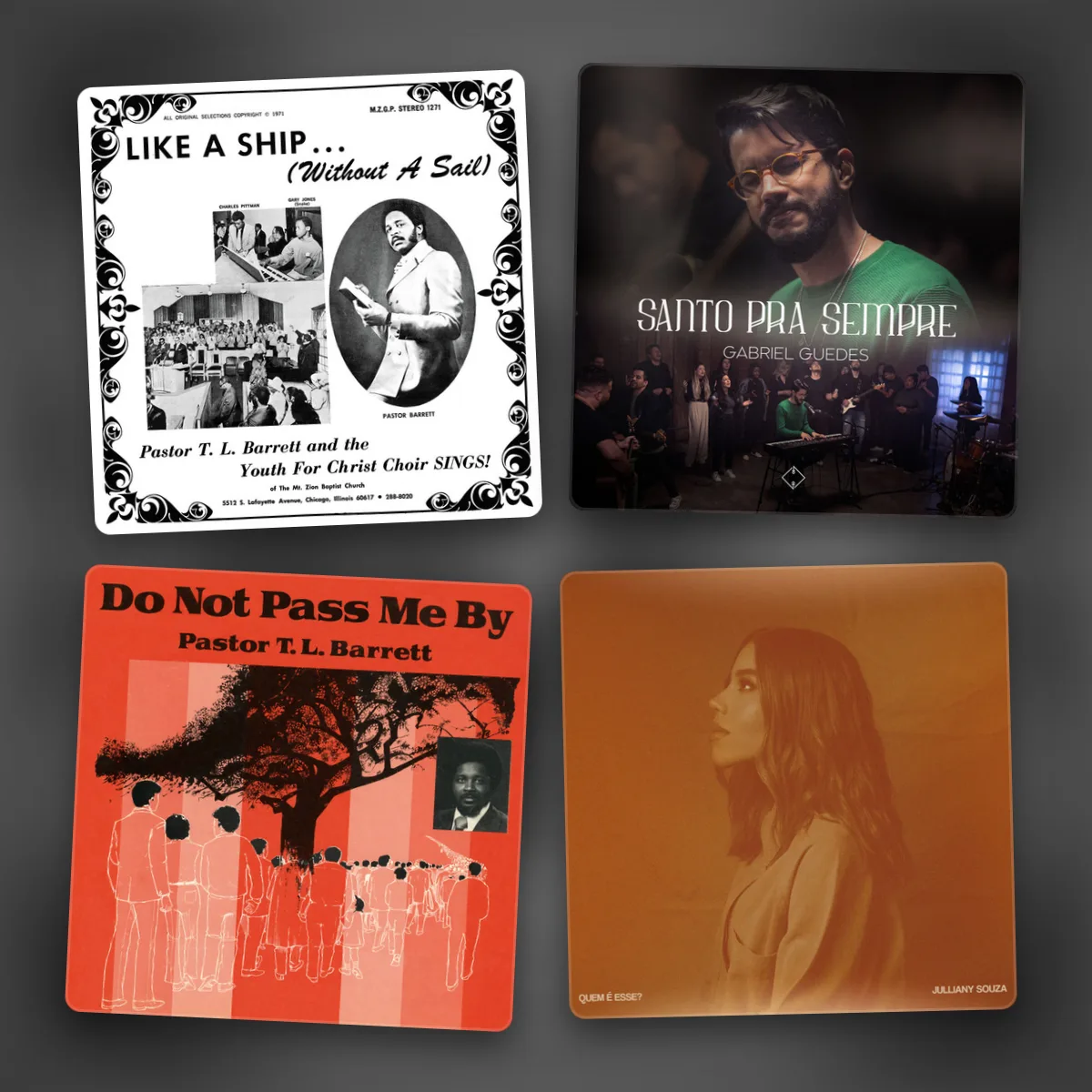
Description
Gospel papiamento ranges from devotional pop ballads to syncopated, danceable urban pop, usually with expressive lead singing and layered harmonies. The term is used by Every Noise at Once and a Sounds of Spotify playlist, but has attracted scant written description. Its artists are also associated with gospel, sharing its emphasis on Christian faith and heartfelt vocal performance.
Slower songs often unfold over piano chords, electric guitar and soft synthesizer pads, with either a gentle pulse or a pop-rock drum backbeat. Mid-tempo tracks can use a punchy electronic dembow rhythm, rounded bass and repeating chords; some combine melodic singing with rhythmic rap. The sound is generally polished and spacious, with prominent voices, reverb and bright, consonant harmonies. The mood moves between reflective prayerfulness and uplifting celebration.
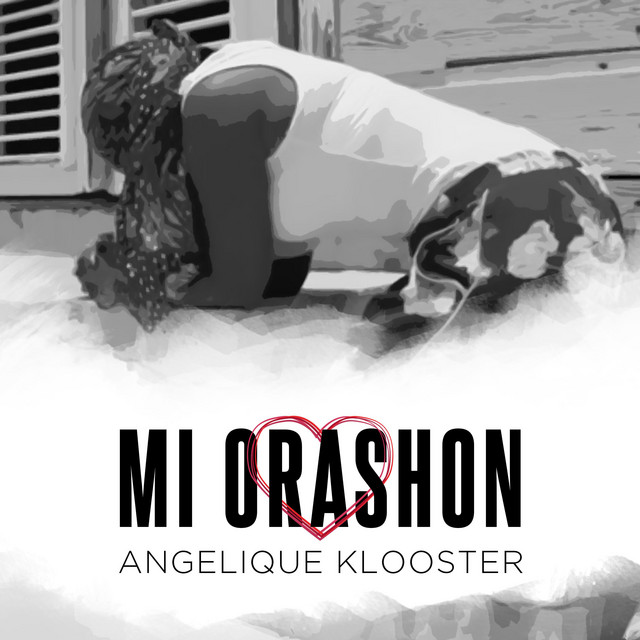
Papiamento or a closely related creole is prominent in the singing, though the playlist also includes Dutch and Spanish. Titles such as “Mi Orashon,” “Tur Honor I Gloria” and “Dios Te Bendiga” point toward prayer, praise and blessing. Many playlist releases date from the late 2010s and early 2020s.
Based on: Every Noise at Once, Spotify's genre tags and playlist

Gospel na Papiamentu "Alabansa di Bièrnè Santu parti # 2 (The ultimate best Curaçao Gospel Music)
Ronnie Richardson Curaçao and Music & Movie Now
Voice and harmony
Write an expressive lead melody with the devotional character of gospel. Use clear, consonant chord progressions and build backing harmonies around sustained phrases or a recurring refrain. Lyrics can focus on prayer, praise or faith; Papiamento is prominent in this repertoire.
Arrangement and rhythm
For a reflective ballad, start with piano chords or arpeggios, add warm synth pads and bass, and let a restrained acoustic drum backbeat support the vocal. For a more danceable urban-pop approach, use a mid-tempo, syncopated dembow pattern with a punchy kick, crisp snare and rounded bass. Melodic singing can be contrasted with rhythmic rap phrasing.
Production
Keep the lead vocal prominent in a clean, spacious mix. Use reverb on voices and instruments, and add electric-guitar fills or layered harmonies to give the arrangement lift.

Top albums








Best playlists


Influenced by