Description
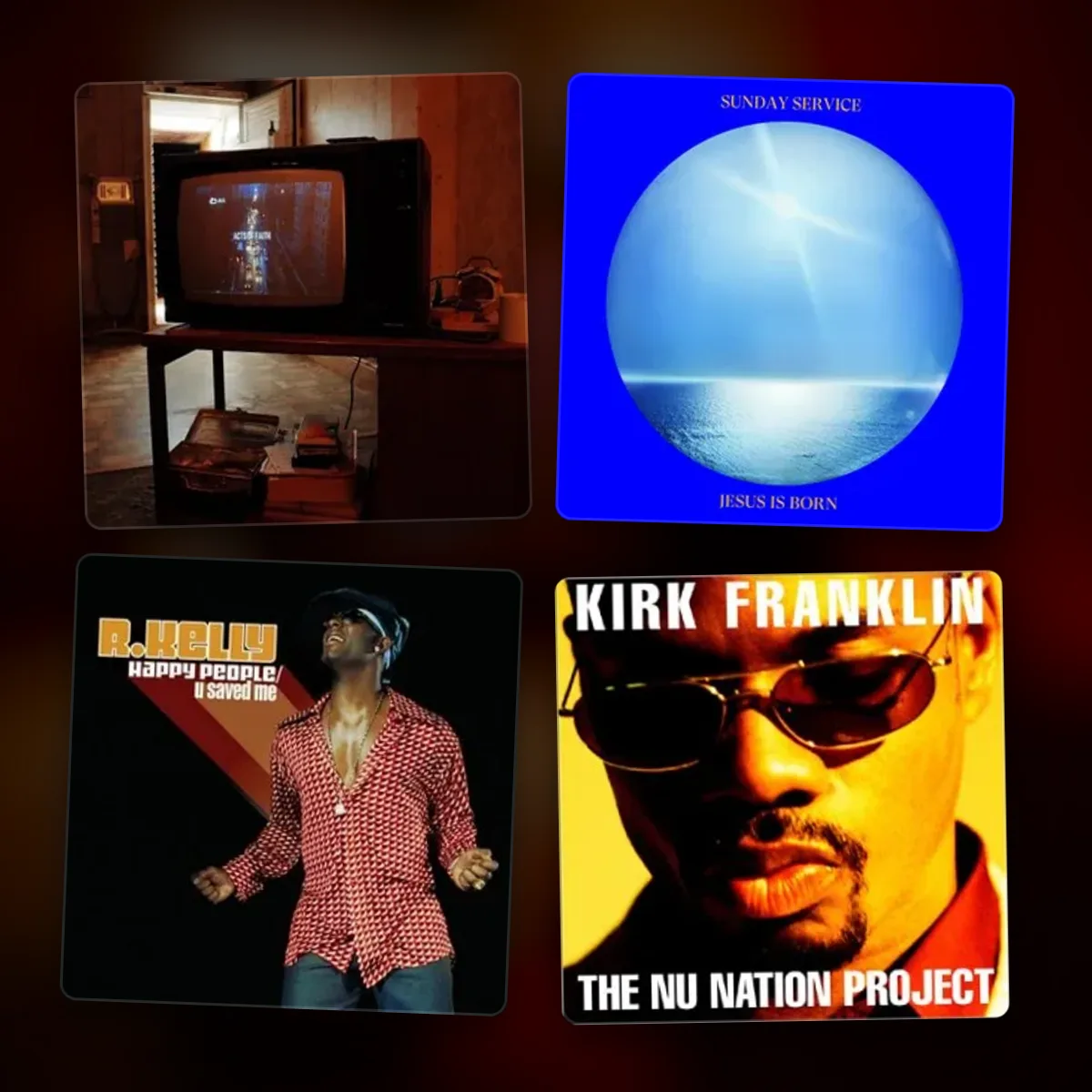
Soulful English-language singing, warm keyboard chords and steady electronic beats give gospel R&B a polished, devotional sound. The name comes from Spotify’s genre labels and The Sounds of Spotify’s playlist “The Sound of Gospel R&B”, though there is scant written description of it.
Lead singers use expressive runs and are often joined by layered vocal harmonies. Piano and synthesizer chords sit over deep bass and programmed drums, with crisp backbeats giving the music a laid-back or gently bouncing pulse. Some tracks add rolling hi-hats and trap-influenced rhythms, while others draw on syncopated R&B and funk basslines. The vocals can move from breathy or flowing phrases to powerful, sustained notes; some passages bring melodic singing close to rap.
The music is closely connected to gospel and Christian R&B, combining a soulful approach to melody with lyrics of faith, praise and encouragement. Titles such as “Lord You've Been So Good”, “I Trust You” and “A Little More Jesus” suggest gratitude, reliance on God and worship. The mood is often uplifting and warm, though it can also be pleading or introspective.
Based on: Spotify's genre tags and playlist
Build the groove
Start with a slow or mid-tempo programmed beat: use a deep kick, a crisp snare or clap on the backbeat, and a warm bass line. For a Christian hip hop influence, add quick rolling hi-hats and a low synth bass; for a more R&B-oriented groove, try a syncopated electric bass part.
Shape the harmony
Draw on gospel and Christian R&B with piano or electric piano chords, extended harmonies and smooth chord changes. Add synth pads or sustained synth strings for width, leaving space around the lead vocal.
Arrange the voices
Write a soulful lead melody with room for runs and sustained phrases. Layer backing harmonies and, if useful, call-and-response hooks. Keep the lead prominent in the mix, using reverb and delay to give the voices a spacious, polished finish. Lyrics can focus on praise, gratitude, trust or a personal expression of faith.

How to sound Churchy on guitar | Gospel Guitar lesson
Pickup Music

Learn This Gospel/ R&B Piano Trick Super Quick! 🎹🙏 (1Min Piano Lesson) #Shorts
Pianote

Get That Sweet R&B/Gospel Sound On The Piano
Pianote

The Chord Game That Unlocks Jazz & Gospel Harmony
Jeff Schneider

Top albums




Best playlists



Influenced by



Other similar genres
Genres sharing the most artists with Gospel R&b