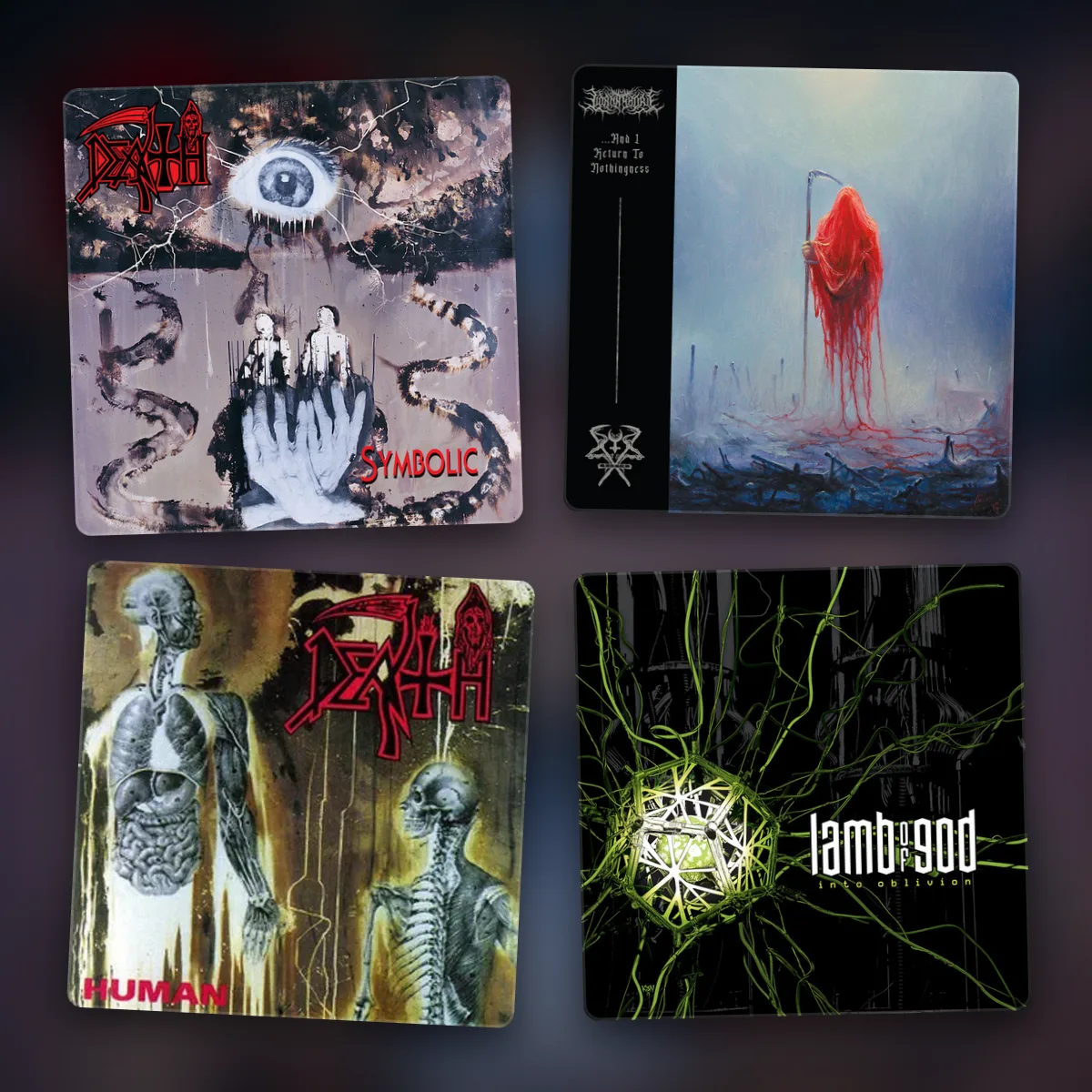
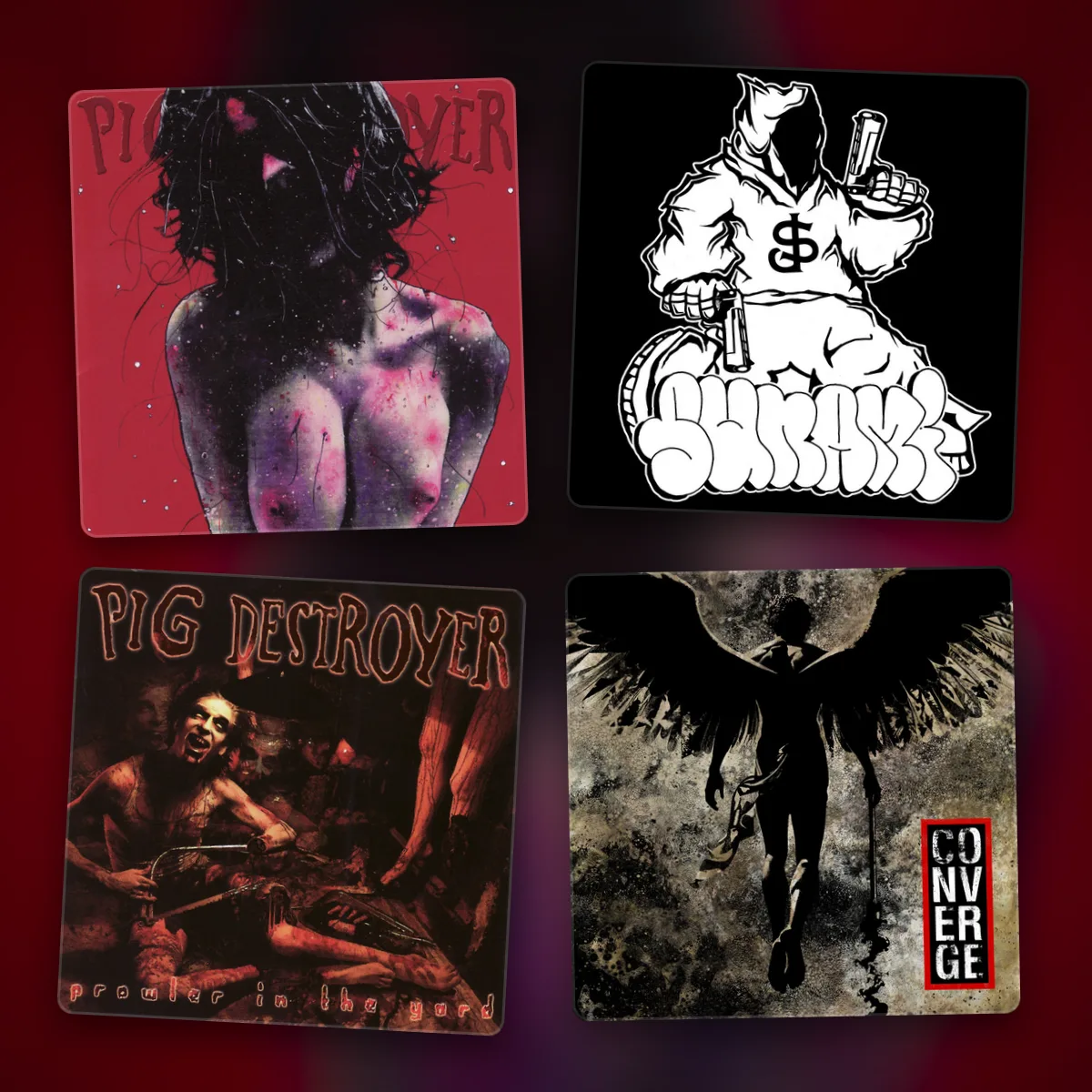
Description
Grim death metal is built around heavily distorted guitars, bass and forceful acoustic drums, with harsh voices cutting through a dense, dark sound. The name is used by Every Noise at Once and The Sounds of Spotify’s playlist, though there is scant written commentary on it.
Most tracks drive forward at a fast pace, often shifting between rapid double-kick drumming and a heavier half-time feel. Tremolo-picked riffs, palm-muted chugs and power chords give the guitars their weight, while dissonance and minor-key coloring add tension. Blast beats and sharply punctuated breakdown grooves bring further variety to the rhythms.
The singing is typically screamed, shouted or growled, with low guttural voices sometimes layered against higher shrieks. Production ranges from raw and murky to clear and polished, but the guitar sound generally remains thick and saturated. The music sits close to death metal, with some of the abrasive speed and attack associated with grindcore. English-language titles often invoke death, sickness, pain and religious or occult imagery.
Based on: Every Noise at Once, Spotify's genre tags and playlist
Build the riffs
Start from death metal: use heavily distorted, low-tuned guitars and bass, with power chords, palm-muted chugs and fast tremolo-picked figures. Favor minor-key phrases, chromatic movement and dissonance over a smooth, consonant melody.
Shape the rhythm
Write a fast, driving drum part with double-kick patterns and crashing cymbals. Contrast rapid passages with a heavier half-time pulse or a syncopated breakdown. For a more abrasive edge, draw on grindcore’s blast beats and raw intensity.
Voices and production
Use guttural growls and raspy screams, alternating or layering low and high registers. Keep the mix dense and the guitars saturated; a murky, raw recording or a clearer, punchier metal production can both suit the style.

Top albums

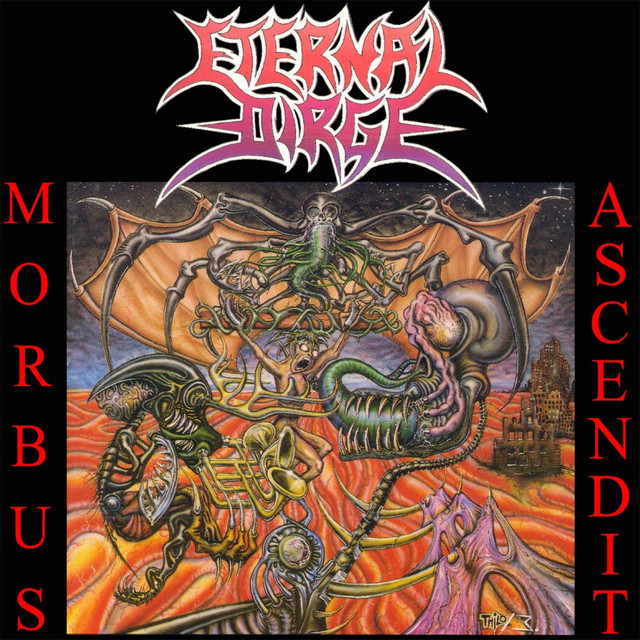
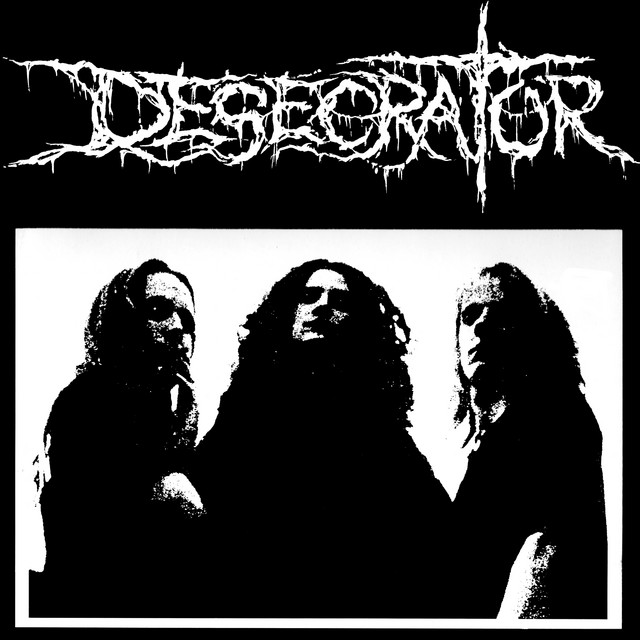


Best playlists

Influenced by