Description
Halftime is a variant of drum and bass built around a slower-feeling rhythmic framework. Its name comes from an early description of drum and bass at half its usual pace, achieved essentially by leaving out half the percussion rather than simply treating it as a different genre of slow music.
Its defining character lies in off-kilter rhythms and unconventional sound design. Tracks can combine harsh, glitchy basslines associated with neurofunk with percussion influenced by hip hop and trap; dubstep, wonky and UK bass are also part of its stylistic background. The result is a flexible sound that retains a connection to drum and bass while emphasizing space, rhythmic displacement and unusual textures.
Based on: Rate Your Music
More on: Discogs, MusicBrainz, Every Noise at Once, Wikidata
History
Emergence
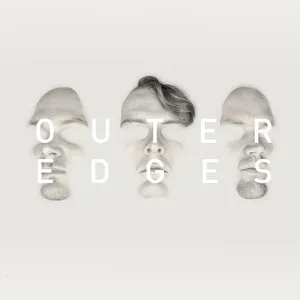
Halftime developed as a distinct drum and bass variant in the early 2010s, drawing on several styles and emerging through more than one scene. Noisia's 2010 debut album Split the Atom included early examples of the approach. Noisia and Two Fingers brought harsh, glitchy neurofunk basslines into a half-time setting, and Noisia's Division Recordings became a gathering point for early producers.
Development and wider audience
Alix Perez, Ivy Lab and Mono/Poly brought in influences from hip hop, trap and minimal drum and bass. Ivy Lab's 20/20 LDN Recordings became another important hub in the mid-2010s; a smaller variant called future beats was associated with the 20/20 LDN collective.
In the late 2010s, Mefjus, Vorso, Shield and Kursa helped broaden halftime's audience and extend its sound.
Build a half-time groove
Start with a drum and bass framework, then thin the percussion to create the slower-feeling pulse associated with halftime. Leave room between prominent drum hits and experiment with accents that fall away from an obvious, regular pattern. The aim is an off-kilter groove rather than merely a sparse beat.
Shape the bass and percussion
For a neurofunk-influenced approach, design a harsh bass sound with glitchy changes in texture or articulation. Alternatively, explore hip hop- or trap-influenced percussion, keeping the arrangement spacious enough for the rhythmic details to stand out. You could contrast a solid main pulse with smaller, displaced percussion sounds.
Develop the sound design
Use unusual timbres and unexpected edits to give the track its quirky character. A common approach in drum and bass production is to vary a repeating bass or drum phrase through processing and arrangement; you could use that technique while retaining the half-time feel.

Putting Halftime Drums On Songs That Don't Need Them
NateMuellerDrums

Nick Mira HalfTime Melody Sauce #shorts #flstudio
Producer Community

What Is Half-Time/Regular-Time/Double-Time On Drums?
Mike Barnes Drums

How to Play a Halftime Drum Groove (Easy Drum Lesson) #drums
Drumming Basics 101

Top albums
Best playlists
Halftime
Melodigging

Half Time Mix
Spotify
Bad Bunny - Super Bowl LX Half-Time Show | Full Mix Remake | LOTUX
LOTUX
Influenced by





Other similar genres
Genres sharing the most artists with Halftime