Description
Hardcore techno is a high‑tempo, aggressively produced branch of techno characterized by distorted, punchy four‑on‑the‑floor kicks, abrasive sound design, and relentless rhythmic drive. Typical tempos range from about 160 to 190 BPM (and can go even faster in some scenes), creating an intense, physically demanding dance experience.
The style emphasizes saturated 909‑style kick drums with clipped/transient "click" and long distorted tails, industrial textures, harsh stabs (including classic "hoover" tones), alarming FX, and short shouted or sampled vocals. Harmony is sparse and often minor, with dissonant intervals or horror/industrial atmospheres. The overall aesthetic is raw, dark, and functional for large rave systems, designed to evoke catharsis and high energy on the dancefloor.
More on: Wikipedia, Rate Your Music, MusicBrainz, Every Noise at Once, Wikidata

ALL HARDCORE TECHNO SUBGENRES (66 Subgenres)
Nyanakaru
History
Origins (late 1980s – early 1990s)
Hardcore techno coalesced in continental Europe at the turn of the 1990s, when Belgian new beat, European rave, and Detroit/acid techno aesthetics converged. Producers began pushing tempos well beyond standard club speeds and driving the 909 kick into saturation and clipping. A key early milestone is Marc Acardipane’s Mescalinum United track “We Have Arrived” (1990), often cited as a prototype for the genre’s harsh, distorted sound.
The Rotterdam/Benelux surge (early–mid 1990s)
The Netherlands—especially Rotterdam—became the scene’s epicenter, with labels such as Rotterdam Records, Mokum, Industrial Strength (NYC but tightly linked to Europe), and PCP (Planet Core Productions) defining the sound. Large‑scale raves and compilation series like Thunderdome spread hardcore across Europe. The style splintered into related streams: gabber (fast, pounding), early/happy hardcore (a brighter, melodic offshoot), and darker industrial‑leaning strains. DJs and crews like DJ Paul Elstak, Neophyte, Lenny Dee, and Rotterdam Terror Corps made the sound a mass movement in the mid‑90s.
Consolidation and diversification (late 1990s – 2000s)
As mainstream attention waned in some markets, the underground consolidated around harder and darker variants. New labels and events (e.g., Masters of Hardcore) professionalized the circuit, while producers refined kick design and distortion chains. The 2000s brought “mainstream hardcore” and a renewed international following, with artists like Angerfist taking the sound to large festivals.
2010s – present: uptempo and cross‑pollination
The 2010s saw further tempo escalation (uptempo hardcore), Frenchcore’s rise, and crossovers with hardstyle and drum & bass (crossbreed). Modern productions use precise digital clipping, multiband distortion, and cinematic atmospheres. Today, hardcore techno remains a global, festival‑scale culture with a deep lineage—from early Rotterdam grit to contemporary, high‑fidelity brutality.
Core rhythm and tempo
• Set the tempo between 160–190 BPM for classic hardcore techno drive.
• Use a tight 4/4 grid with heavy emphasis on the kick. Keep grooves simple and relentless; the propulsion is the point.
Kick design and low end
• Start with a 909‑style kick or a clean synthetic transient. Layer a click (for attack), a mid body, and a long, distorted tail shaped via envelopes.
• Drive the tail into clipping/saturation (tube, tape, overdrive, wave‑shapers), then sculpt with EQ and compression. Control sub energy with a low‑shelf and limit/clip for loudness.
• Add offbeat bass accents or low toms to reinforce the pulse without muddying the kick.
Percussion and groove
• Use sharp hats (closed on offbeats, occasional open hat lifts), metallic rides, and industrial one‑shots. Keep snares/claps sparse (e.g., 2 and 4) or use fills and militant rolls for momentum.
• Program short turnarounds every 8/16 bars (fills, kick rolls, reverse crashes) to refresh energy.
Sound design and harmony
• Employ harsh stabs (hoovers, detuned saws), alarm‑like leads, and noisy textures. Minor keys, tritones, and cluster chords heighten tension.
• Layer drones, industrial ambiences, or horror‑cinematic pads in breakdowns. Keep melodic content minimal and functional.
Vocals and sampling
• Use short shouts, gang chants, or processed speech. Movie/news/industrial samples work well—time‑stretch and distort to taste.
• Gate and distort vocals so they cut through the dense mix.
Arrangement and structure
• DJ‑friendly intros/outros (16–32 bars) with filtered kicks or percussion.
• Alternate drops with short atmospheric breakdowns; build with risers, snare rolls, and stop‑downs before reintroducing the kick.
• Aim for 4–6 key sections over 4–6 minutes to sustain intensity without fatigue.
Mixing and loudness
• Prioritize kick clarity and mono compatibility in the low end. Sidechain pads/stabs to the kick.
• Use clipping and limiting strategically for competitive loudness, but retain transient bite. Control harshness with dynamic EQ in the 2–6 kHz region.
Tools and references
• Drum sources: 909 emulations, hard kick packs, self‑made synth kicks.
• FX: distortion/saturation stacks, bit‑crushers, comb filters, reverbs with short rooms for punch and long tails for breakdowns.
• Reference classic Rotterdam/PCP/Mokum releases and modern mainstream hardcore to balance vintage grit with current loudness expectations.

How To Make HARD TECHNO!! - FL Studio Tutorial (+FREE FLP)
D34N

DJ Mixing Techniques For a Hard Techno set
Crossfader

This Is How You Make A Techno Hit - FL Studio Tutorial
Sonance Sounds

Techno Kick Rumble Explained
Virtual Riot

Top albums



Best playlists

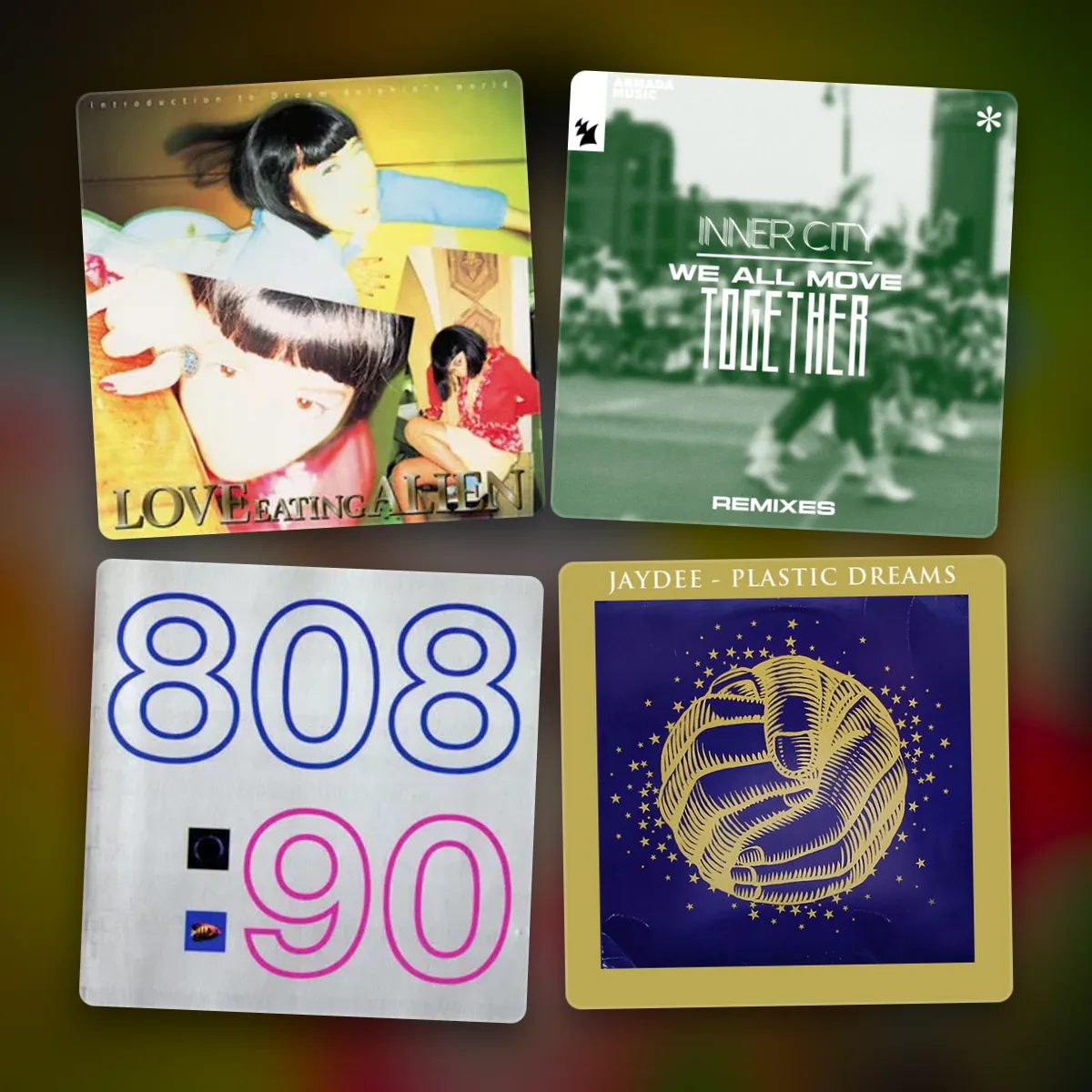
Influenced by

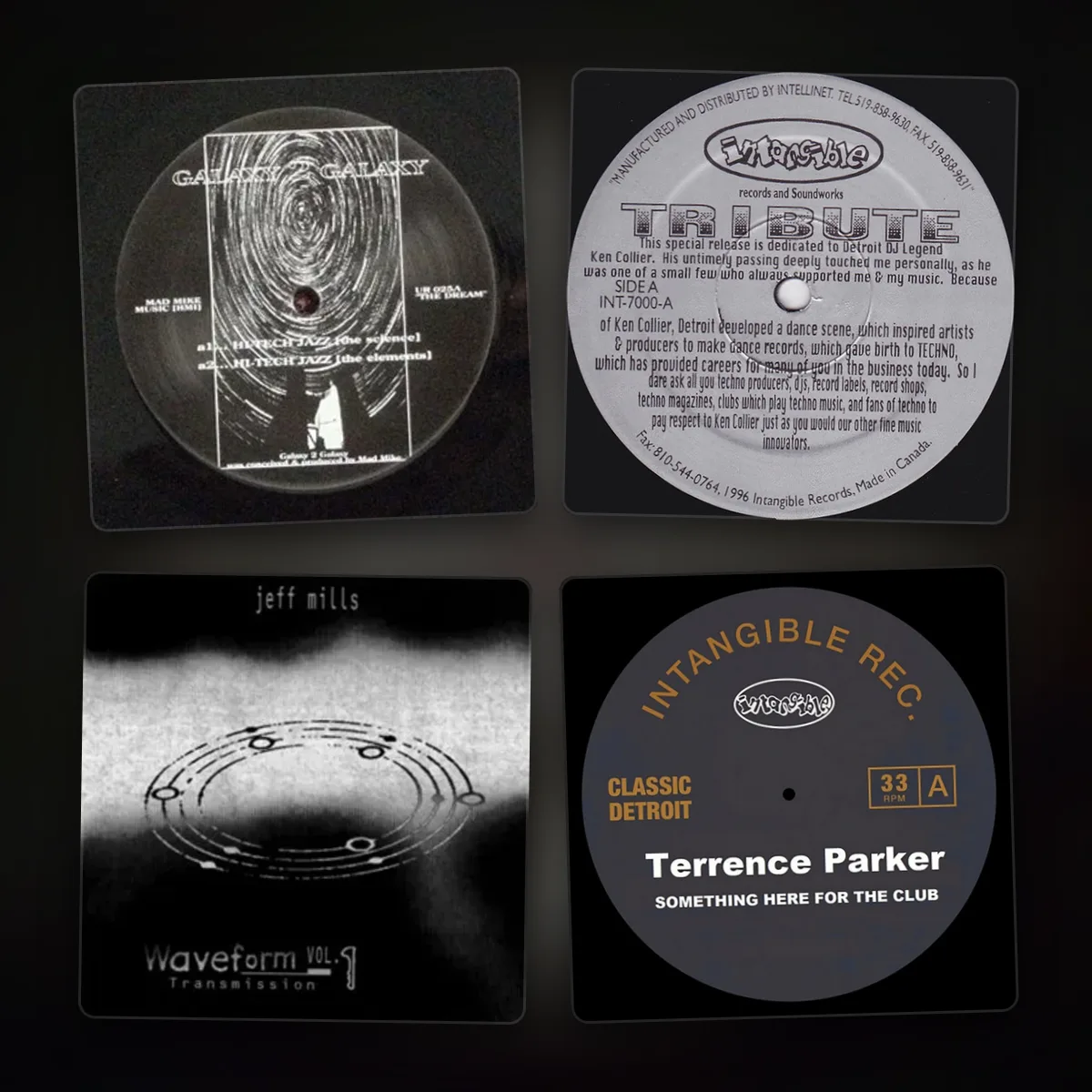

Has influenced

- Hardcore Breaks
- J-Core
- Mashcore
- Nerdcore Techno
- Psycore
- Uk Hardcore
- Early Hardstyle
- Deep Breakcore
- Acid Techno
- Acidcore
- Amigacore
- Jungle
- Bouncy Techno
- Digital Hardcore
- Doomcore
- Free Tekno
- Freeform Hardcore
- Frenchcore
- Gabber
- Happy Hardcore
- Hard Techno
- Hard Trance
- Industrial Techno
- Nu Style Gabber
- Schranz
- Speedcore
- Terrorcore
- Tekno
- Bemani
- Second Wave Of Detroit Techno
- Hard Industrial Techno
- Dark Hardcore
- Deep Happy Hardcore
- Deep Hardtechno
- Deep Hardcore
Other similar genres
Genres sharing the most artists with Hardcore Techno