


Description
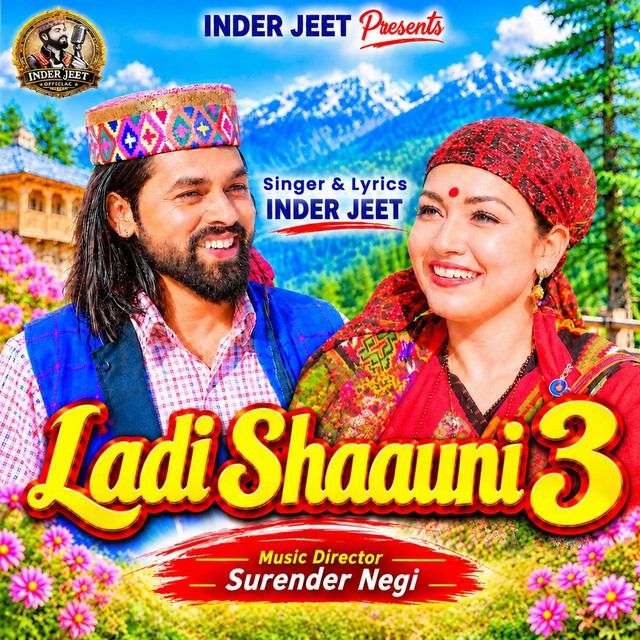
Himachali pop often centers on festive, fast-moving songs, with hand drums and electronic beats driving a dance groove beneath prominent, ornamented vocals. The name is catalogued by Every Noise at Once and Spotify’s playlist “The Sound of Himachali Pop,” though published descriptions are scarce.
Electronic kicks, claps and snares combine with syncopated drums such as dhol or dholak. Synth bass, pads and bright melodic leads sit alongside acoustic wind sounds or synthesized tones resembling reeds and flutes. Melodies often circle around a drone-like tonal center rather than moving through many chords. Group shouts, chants and call-and-response vocals add to the communal, celebratory feel, while reverb and, sometimes, pitch correction give the recordings a contemporary polish.
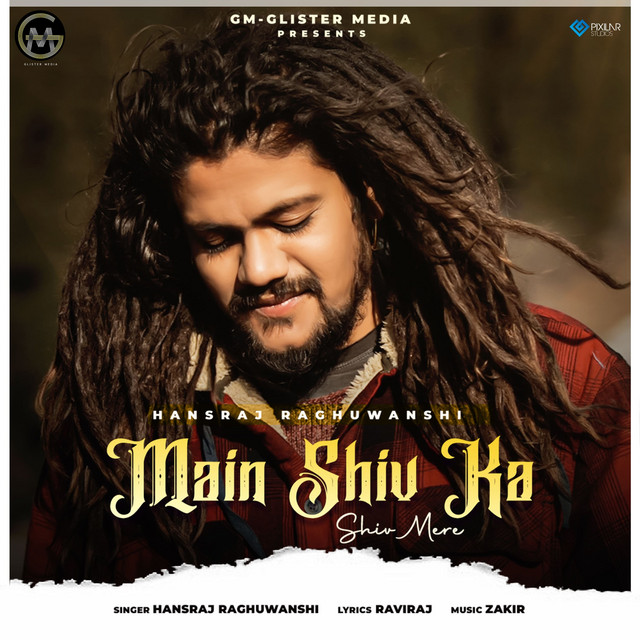
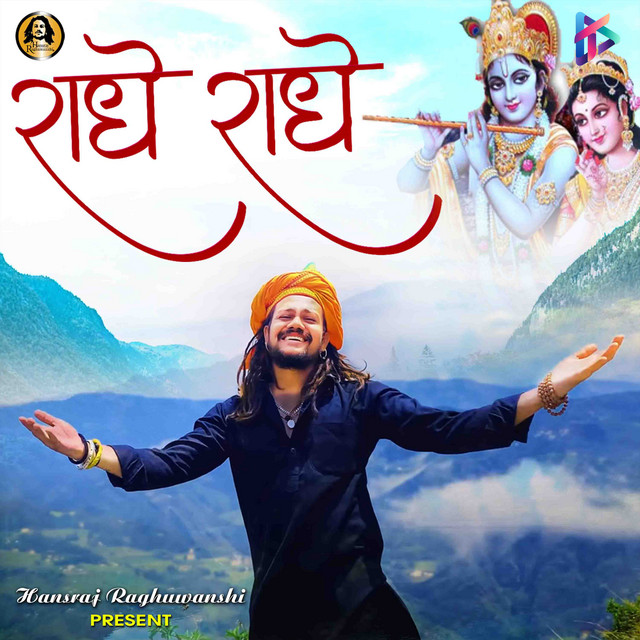
The singing is in South Asian languages, and the playlist includes songs with titles referring to nati, harul and regional traditions. Devotional material is also part of the picture: several Hansraj Raghuwanshi releases invoke Shiva, and some artists are also associated with bhajan, a form of devotional song. Many releases in the playlist are from the early 2020s.
Based on: Every Noise at Once, Spotify's genre tags and playlist
Build the groove
Start with a fast dance pulse, layering electronic kick, clap and snare patterns with syncopated dhol or dholak-style hand drums. A swung or lilting subdivision can give the rhythm extra movement.
Shape the melody
Use a sustained tonal center and repeat a memorable, folk-inflected vocal phrase over it. Add a bright wind-like or reed-like lead, supported by synth bass and soft pads. Bhajan, a devotional song form associated with some of the artists, offers a related approach to melodic singing and devotional lyrics.
Arrange and mix
Keep the lead vocal forward, adding melodic ornaments and answering phrases from a group or backing singer. Blend acoustic percussion with electronic production, and use reverb or delay to give the voice and lead instruments space.

Pahadi Himachali Folk Music (Rhythms & Melodies) Tutorial || Pahadi Samples Pack, VSTs & Classes
Swar & Synth

Top albums







Best playlists



Other similar genres
Genres sharing the most artists with Himachali Pop


