Description
Bright, high-register Japanese vocals soar over fast, driving arrangements, from guitar-led pop-rock to electronic dance-pop. Idol game is a term used by Every Noise at Once, a map of Spotify’s genre labels, and by The Sound of Idol Game playlist, but has received scant written description.
Many tracks pair distorted guitars and electric bass with punchy kick-and-snare backbeats, busy cymbals and drum fills. Others favour a steady four-on-the-floor dance beat, synth bass and electronic percussion. Synthesizers and piano or keyboard parts add sparkle across both approaches, while layered voices sing in harmony or unison. The melodies tend to be exuberant and uplifting, with a dramatic edge, and the production is dense, bright and polished, keeping the vocals clearly in front.
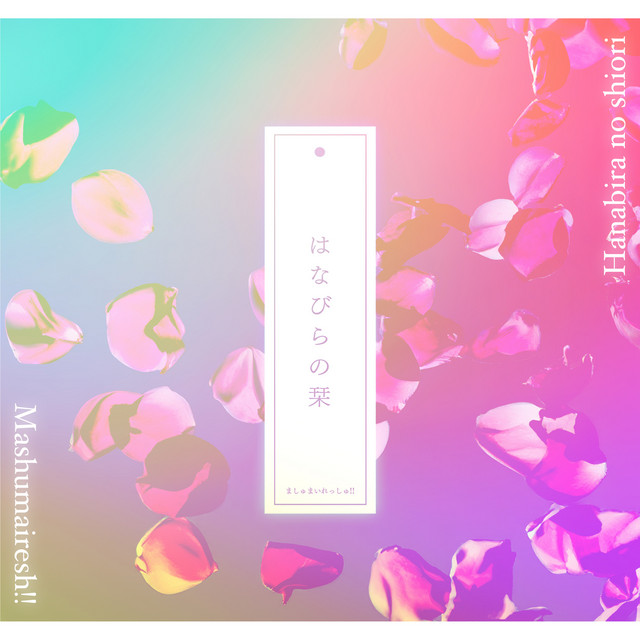
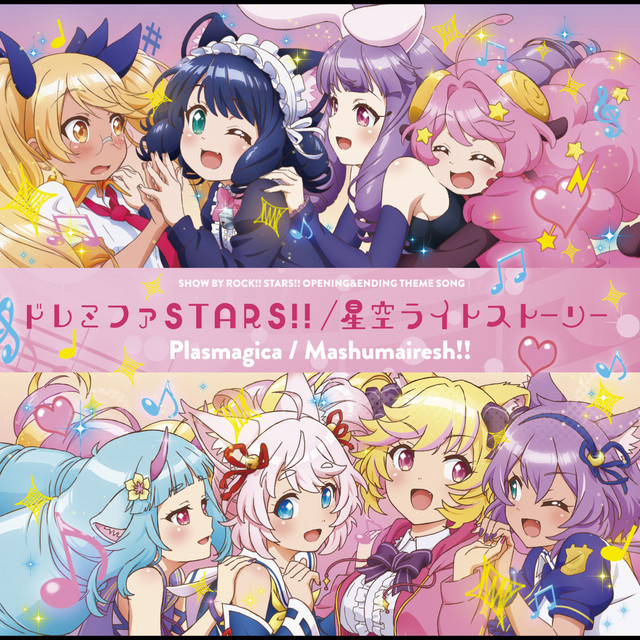
The music sits close to Japanese pop and anime songs, including character and insert songs. Japanese titles predominate, alongside English phrases and titles; releases include music connected with SHOW BY ROCK!! and other character-based projects. Much of the playlist’s music comes from the late 2010s.
Based on: Every Noise at Once, Spotify's genre tags and playlist
Build the backing
Start with a fast, energetic pulse. For a pop-rock arrangement, combine distorted electric guitars and bass with a full drum kit, a strong kick-and-snare backbeat, busy hi-hats and emphatic fills. For a dance-pop approach, use a four-on-the-floor kick, electronic percussion and synth bass instead.
Write the song
Draw on the bright melodic style of Japanese pop and anime songs: give the lead voice a soaring, catchy melody over briskly moving chords. Add piano or keyboard figures and synthesizer arpeggios, pads or leads. Layer harmonies or unison vocals around the main part.
Shape the mix
Aim for a dense, polished sound with a bright top end and a wide stereo image. Keep the lead vocal clear and forward, even when the arrangement is full.