


Description
Indie cristao ranges from intimate acoustic songs with gently syncopated percussion to full-band pop-rock and synth-pop with reverberant drums. The name comes from Every Noise at Once and Spotify’s playlist “The Sound of Indie Cristão”; published descriptions of it are scarce.
The music is often slow and reflective, though some songs have a faster, driving pulse and an anthemic lift. Acoustic and electric guitars, bass, keyboards and drums recur throughout, with hand percussion adding a lighter groove to some arrangements. Vocals are usually in Portuguese, often breathy and expressive, sometimes stretching a syllable across several notes. Backing harmonies can add warmth and breadth.
Production ranges from close, natural acoustic textures to layered mixes with synthesizers, delay and prominent snare reverb. Its artists are also associated with gospel and praise & worship: titles such as “Graça,” “Pai Nosso” and “Tu És Soberano” suggest themes of grace, prayer and devotion. Many playlist releases date from the late 2010s and early 2020s.
Based on: Every Noise at Once, Spotify's genre tags and playlist
Start with the song
Write a tonal melody that leaves room for an expressive vocal. Gospel and praise & worship offer useful points of reference for devotional themes, sustained phrases and backing harmonies. Portuguese-language lyrics can draw on images of grace, prayer, love or hope.
Choose an arrangement
For an intimate sound, combine acoustic guitar and bass with a gentle, syncopated hand-percussion groove. For a more anthemic pop-rock or synth-pop approach, build around electric guitar, keyboard pads and a steady drum-kit pulse.
Shape the production
Keep the recording clean and give the vocal space. A close, warm acoustic mix suits quieter songs; layered keyboards, delay and a reverberant snare can make a full-band arrangement feel broader and more dramatic.

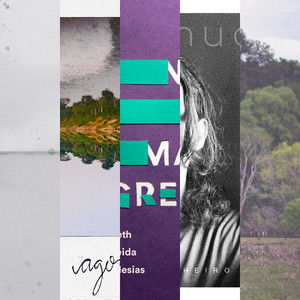
Top albums






Best playlists

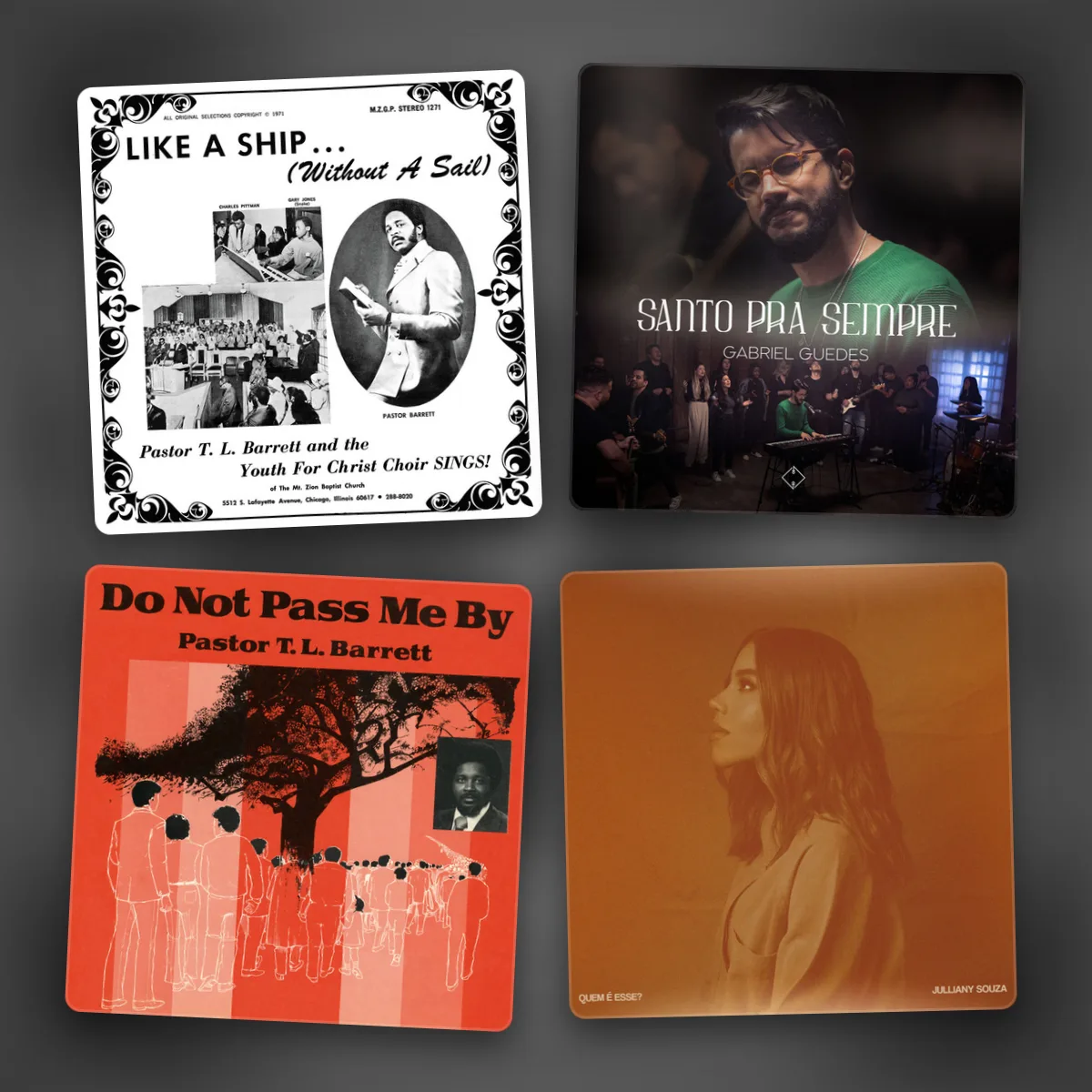
Influenced by

Other similar genres
Genres sharing the most artists with Indie Cristao

