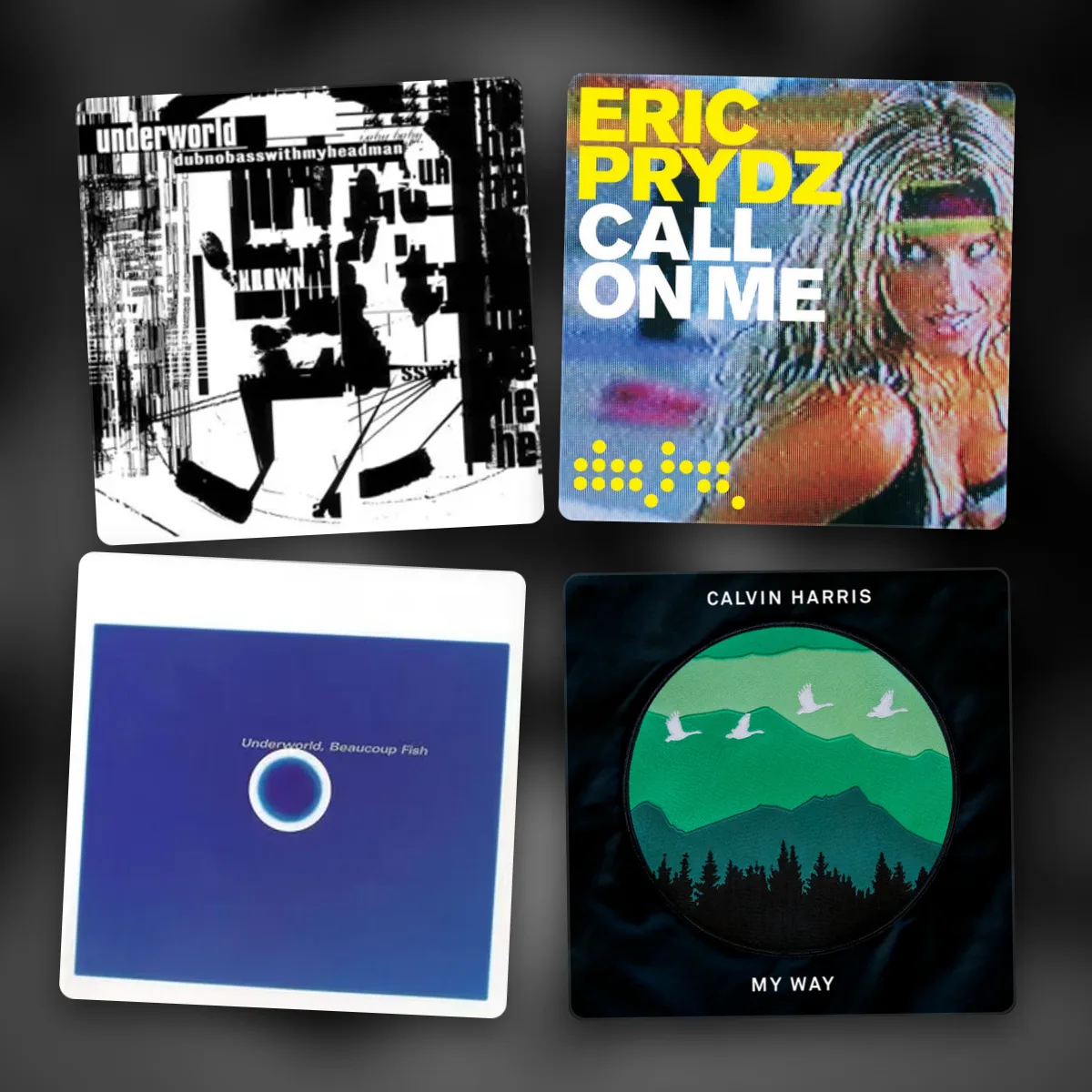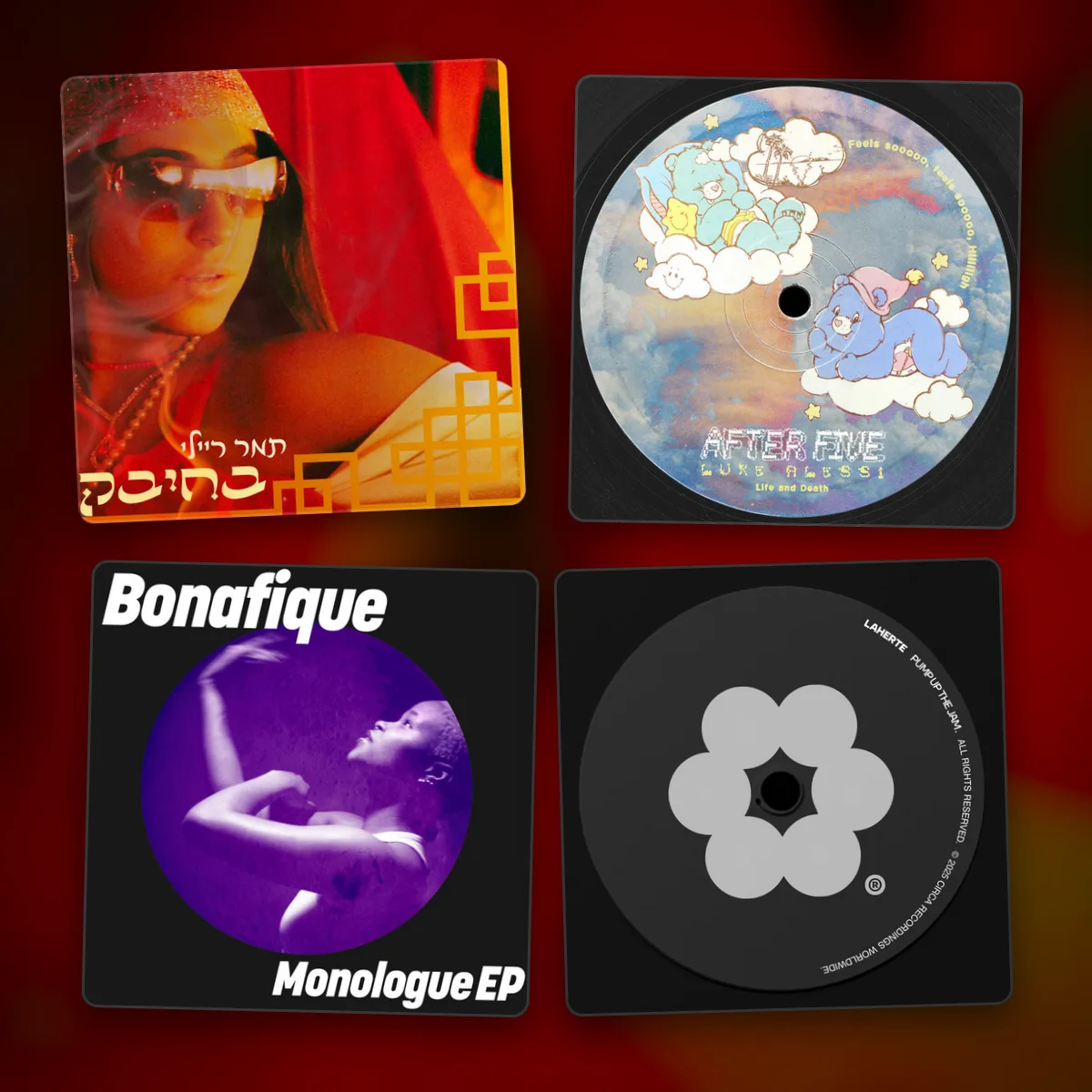
Description
Indie dance brings the songwriting and rough-edged character of independent and alternative rock into electronic club music. Steady dance beats and prominent, hypnotic basslines meet synthesizers, guitars and vocals that may retain a post-punk or new-wave feel.
The sound can be melodic and song-led or darker and more machine-driven. Its distinctive tension lies between the texture of live instruments and the repetition of electronic production: melancholy, distortion and human imperfection can sit alongside a groove made for dancing.
Based on: beatportal.com, indie-dance.com, Wikipedia, scientificsound.asia and
More on: Wikidata
History
Early crossover
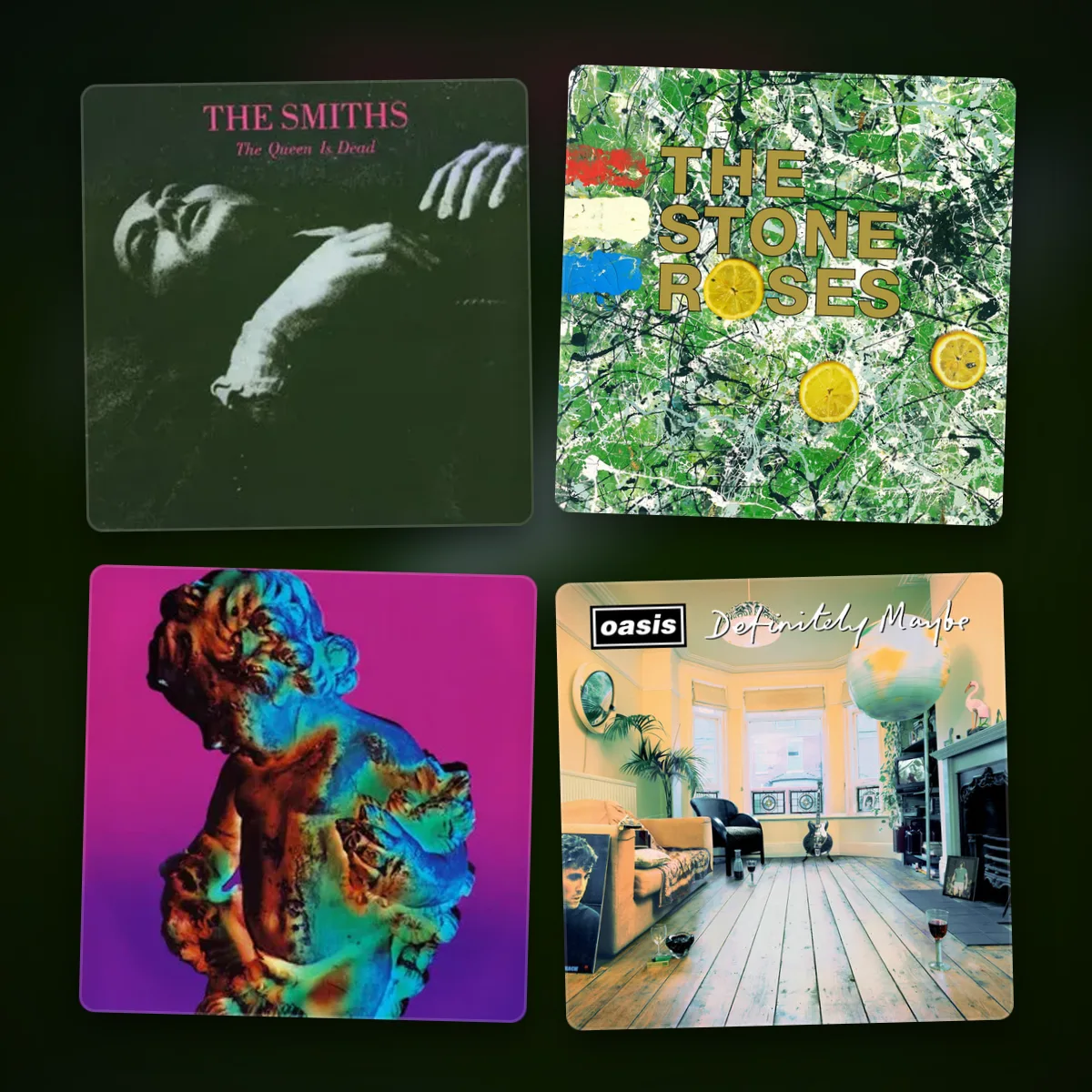
Indie dance has roots in the meeting of independent music and club rhythm in the late 1970s and 1980s. New Order, Talking Heads and Liquid Liquid helped establish that crossover. New Order’s 1982–83 recordings have been identified as an early example of the genre, merging post-punk with electronic pop. In 1980s Britain, Manchester’s Haçienda was a hub for the style.
A growing club language
The exchange continued through alternative dance, baggy and remixes during the 1990s. The term indie dance became more widely useful in the 2000s and 2010s as artists and labels combined rock-derived songwriting with electronic production. In early-2000s New York, DFA strengthened the connection between indie rock and dance-floor culture.
Wider reach
As the scene grew, it gained new energy and a wider audience. Some commentators have also argued that a faster, more festival-oriented sound came at the expense of some of its earlier unpredictability.
Build the groove
Start with a steady club beat and a prominent bassline that can sustain a hypnotic feel. Combine programmed drums with more organic percussion; a disco-influenced rhythmic touch can add movement without crowding the pattern.
Add band-like texture
Bring in guitar, live bass or a deliberately imperfect instrumental sound alongside synthesizers. Develop a melodic part with an analog-inspired lead, a metallic pluck or a short, unusual synth stab. A post-punk-influenced vocal can make the track feel more like a song, while a darker instrumental approach can leave the groove in focus.
Arrange through repetition
Repeat a small set of strong elements, then vary their texture or modulation gradually. Let the electronic pulse remain consistent while the instrumental parts introduce the contrast between a live, human feel and a machine-like grid.
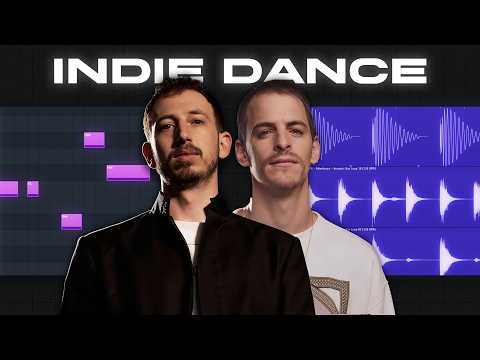
How To Make Indie Dance Like Mita Gami & Adam Ten (Maccabi House)
The Producer School

How to Make an Electro Indie Dance Beat in Minutes!
Zen World - Evolution Of Sound

How to make indie dance music 💃#producingmusic #producer #musicproducer #logicprox #indiepop #viral
Real Topeka People

Making a groovy indie dance idea from scratch
Will Møller

Top albums


Best playlists
Indie Dance
Melodigging
Indie Dance
Chosic

Indie Dance Mix
Spotify
Indie Dance Party
Andrew Mannik

Dark Disco, Indie Dance Mix 3
Dust Blasters
Influenced by



Has influenced
Other similar genres
Genres sharing the most artists with Indie Dance