Description
Indie dream pop brings soft, often breathy singing into spacious arrangements of synthesizers, guitars and steady drums. The term is mapped by Every Noise at Once and used for a Spotify playlist, though published discussion of it is scarce. Much of the music feels hazy or nostalgic, but it can also be driving, danceable or dark and brooding.
The music ranges from guitar-led indie rock with fuzzy, reverberant textures to polished synth-pop and electronic pop. Warm synth pads are common, alongside deep or pulsing bass, bright melodic figures and repeating chord patterns. Electric guitars can chime, shimmer with modulation or swell into distorted layers. Drum machines and programmed beats sit alongside acoustic or sampled rock drums; the pulse ranges from relaxed to fast, usually with a clear backbeat.
Voices tend to be in a mid-to-high register, sometimes layered in harmonies or tucked into the instrumental texture. Reverb and delay give both the singing and instruments a sense of space. The sound is close to dream pop’s effects-laden guitars and vocals, chillwave’s hazy electronic textures, and the denser guitar washes of shoegaze. Most playlist releases cluster in the early 2010s. Many titles are in English, though Swedish and Spanish titles also appear.
Based on: Every Noise at Once, Spotify's genre tags and playlist

What is Shoegaze Music? #shoegaze #dreampop #pedalpartners
pedal partners

What is Dream Pop Music? +Essential Dream Pop Bands
pedal partners

What's the difference between Shoegaze & Dream Pop?
pedal partners

DREAM GAZERS, The Story of Dream Pop
PM ART
Build an atmospheric foundation
Start with a short, repeating chord progression and warm synthesizer pads. Add a deep bass part, either played on bass guitar or sequenced on a synth. For a chillwave or indietronica direction, use a drum machine with a clear backbeat; for a guitar-led arrangement, try a steady indie-rock drum groove.
Layer guitars and voice
Draw on dream pop and shoegaze by combining chiming or modulated electric guitars with fuller, distorted chords. Sing in a soft mid-to-high register, and add harmonies where they support the melody. Experiment with placing the voice partly inside the instrumental texture rather than always bringing it to the front.
Shape the space
Use reverb and delay across vocals, synths and guitars, keeping the low end clear enough to support the beat. A polished electronic mix can emphasize spacious pads and pulsing bass, while saturation and fuzz can make a guitar arrangement hazier and denser.

Shoegaze Chords С D G #guitar #guitarist
Roman Guitarist

Indie Rock Music Production For Beginners (Step By Step Masterclass)
Ethan Davis

Craft a dreamy anthem while in bed 🛏️👀
BandLab

How to record/produce Dream Pop Vocals
Banana Labs

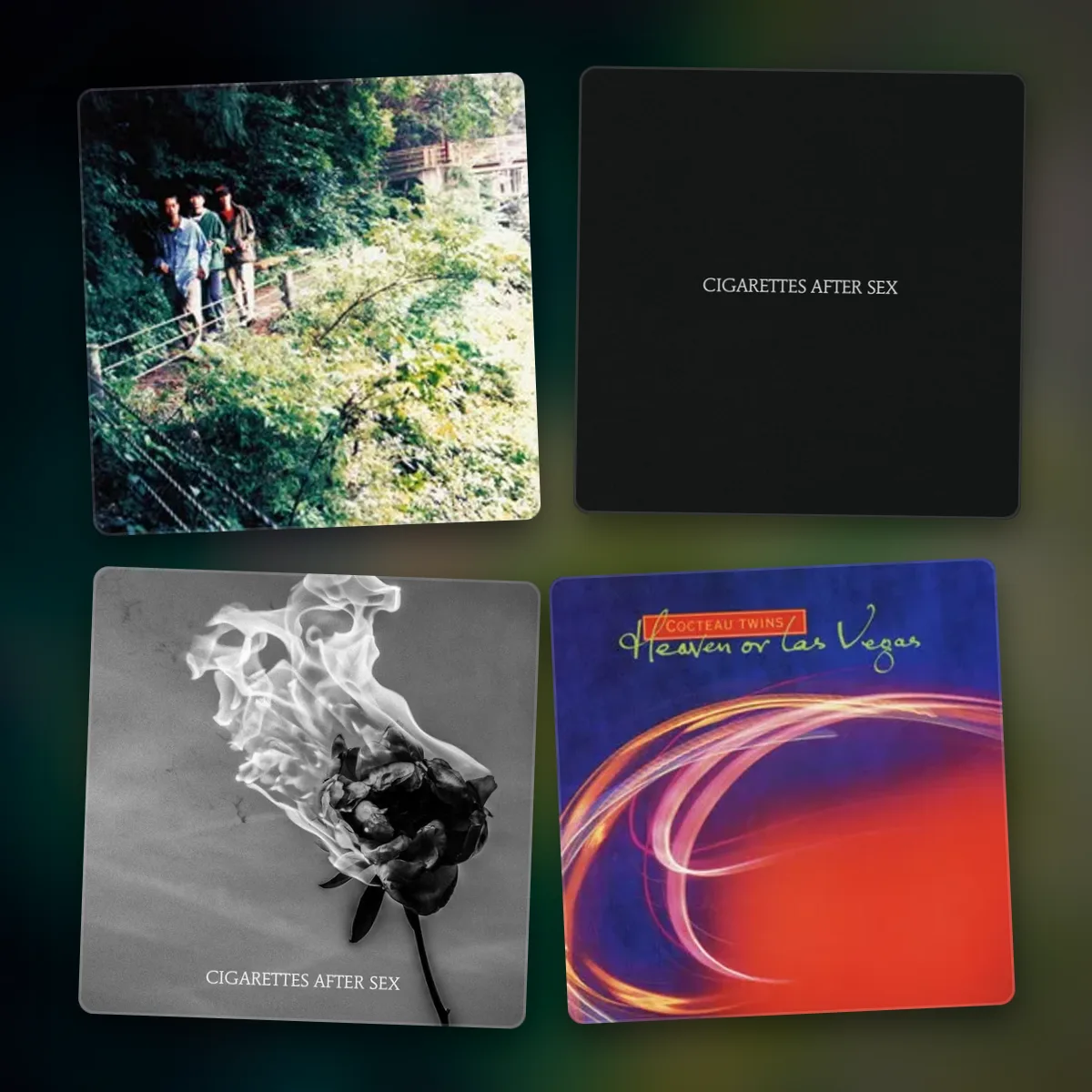
Top albums








Best playlists



Influenced by