Description
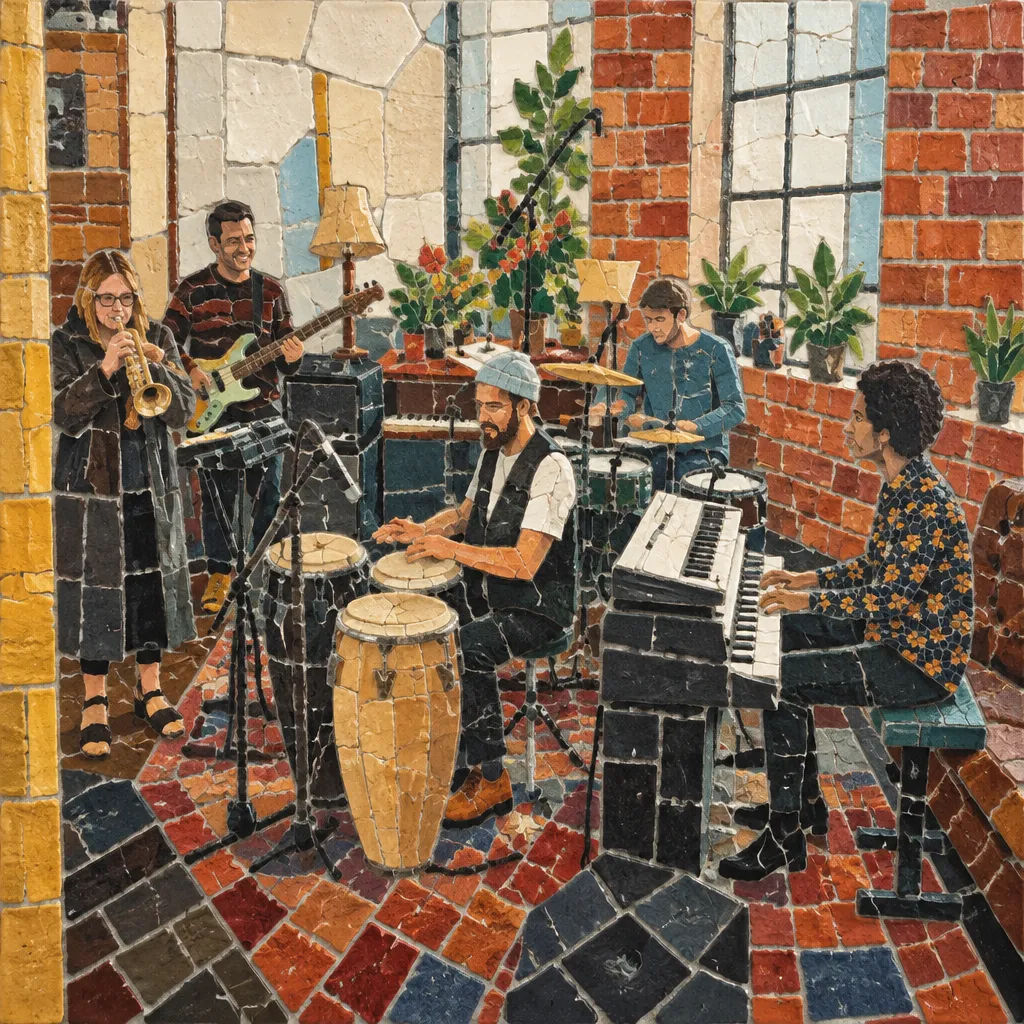
Indie jazz can refer both to independently produced jazz and to a genre-crossing approach to the music. In the latter sense, it combines jazz improvisation and harmonic exploration with grooves and rhythmic ideas associated with neo R&B, hip-hop, gospel and soul.
Its sound can favor a settled rhythmic pocket and layered, sometimes polyrhythmic interplay over displays of technical virtuosity. Creative control is also an important ideal, though independently released jazz is not necessarily confined to a single sound.
Based on: jsruckus.com, allaboutjazz.com
More on: Every Noise at Once
History
Independent jazz
The term has been used for jazz made outside the largest recording companies, including self-released and small-label albums. An increase in such releases has been associated with both the consolidation of record labels and the availability of more affordable recording technology.
A cross-genre approach
Another conception of indie jazz emphasizes musical openness as well as independence: post-bop improvisation and harmonic exploration meet the grooves of neo R&B and rhythmic ideas from hip-hop, with gospel and soul also part of the mix. Independent recordings can be difficult for listeners to discover, and some receive most of their support from local audiences.
Build the groove
Begin with a strong rhythmic pocket. Develop a layered beat that leaves room for the musicians to interact, and experiment with overlapping rhythms rather than filling every gap. Let the feel of the performance guide the arrangement.
Harmony and improvisation
Use harmonically adventurous chords as a setting for improvisation. You could establish a short progression or motif, then allow the players to vary their phrasing and respond to one another. Keep technical display secondary to the flow of the music.
Blend influences
Try combining a neo R&B or soul-inspired groove with the improvisational approach of post-bop. Hip-hop production offers another possible starting point: you could build a beat in layers and use it as a foundation for live playing. Gospel-derived harmonic or vocal ideas are another option, rather than a requirement.
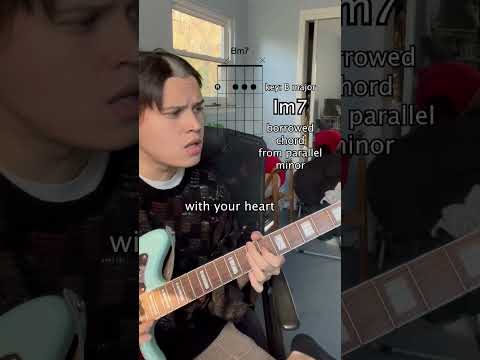
chill easy indie jazz chords
StarberryBunky

How To Make Indie Jazz Songs Like Crumb
OLIVERSASLEEP

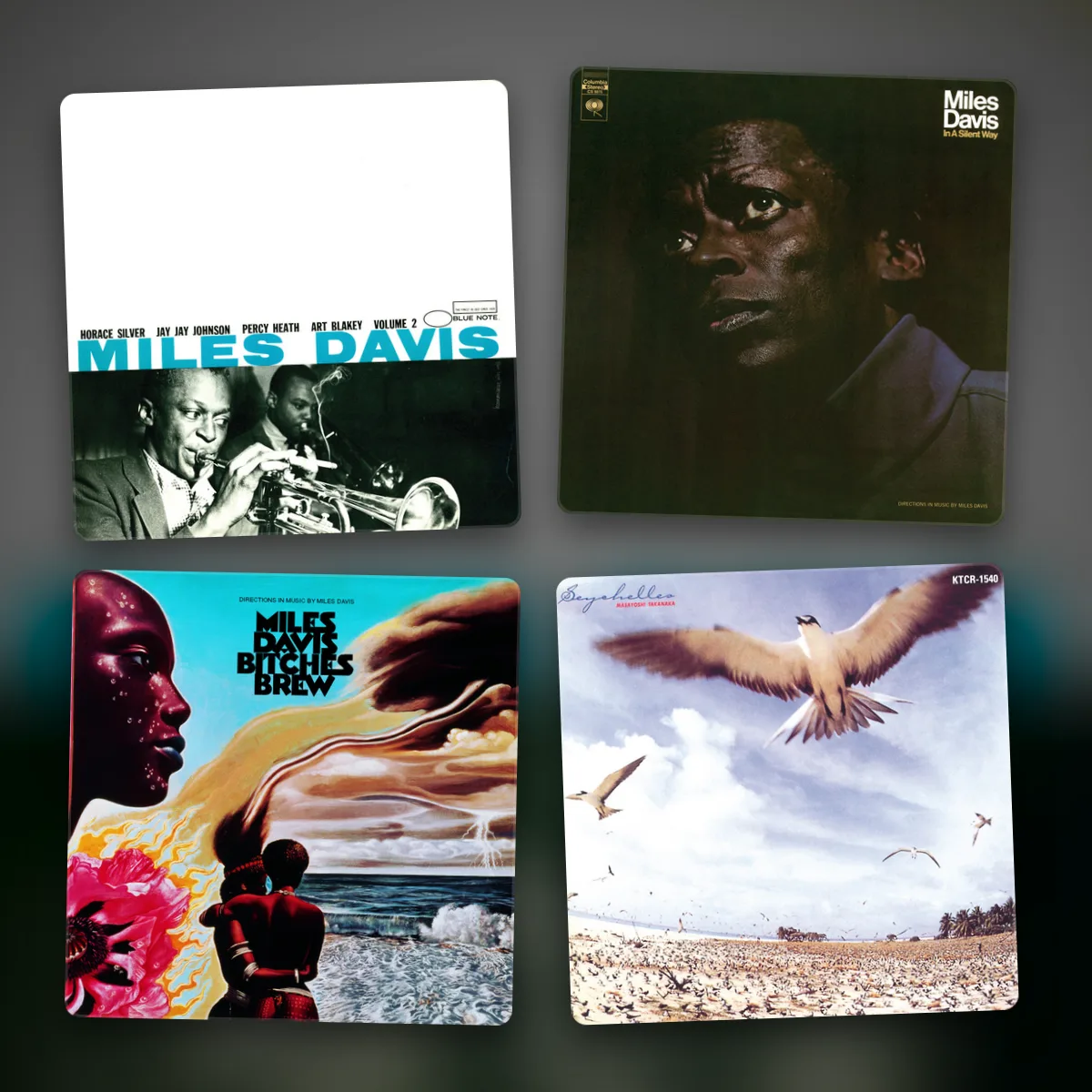
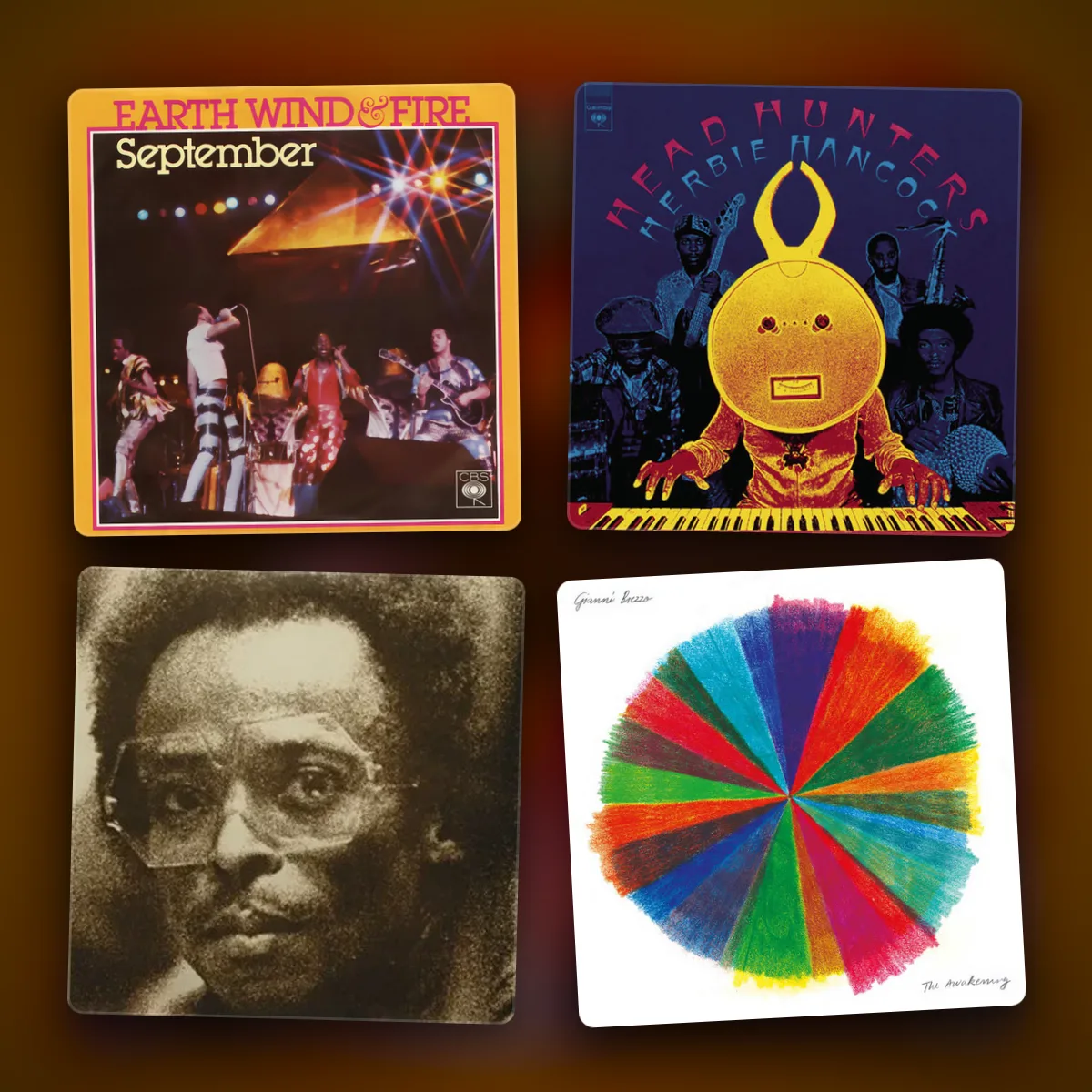
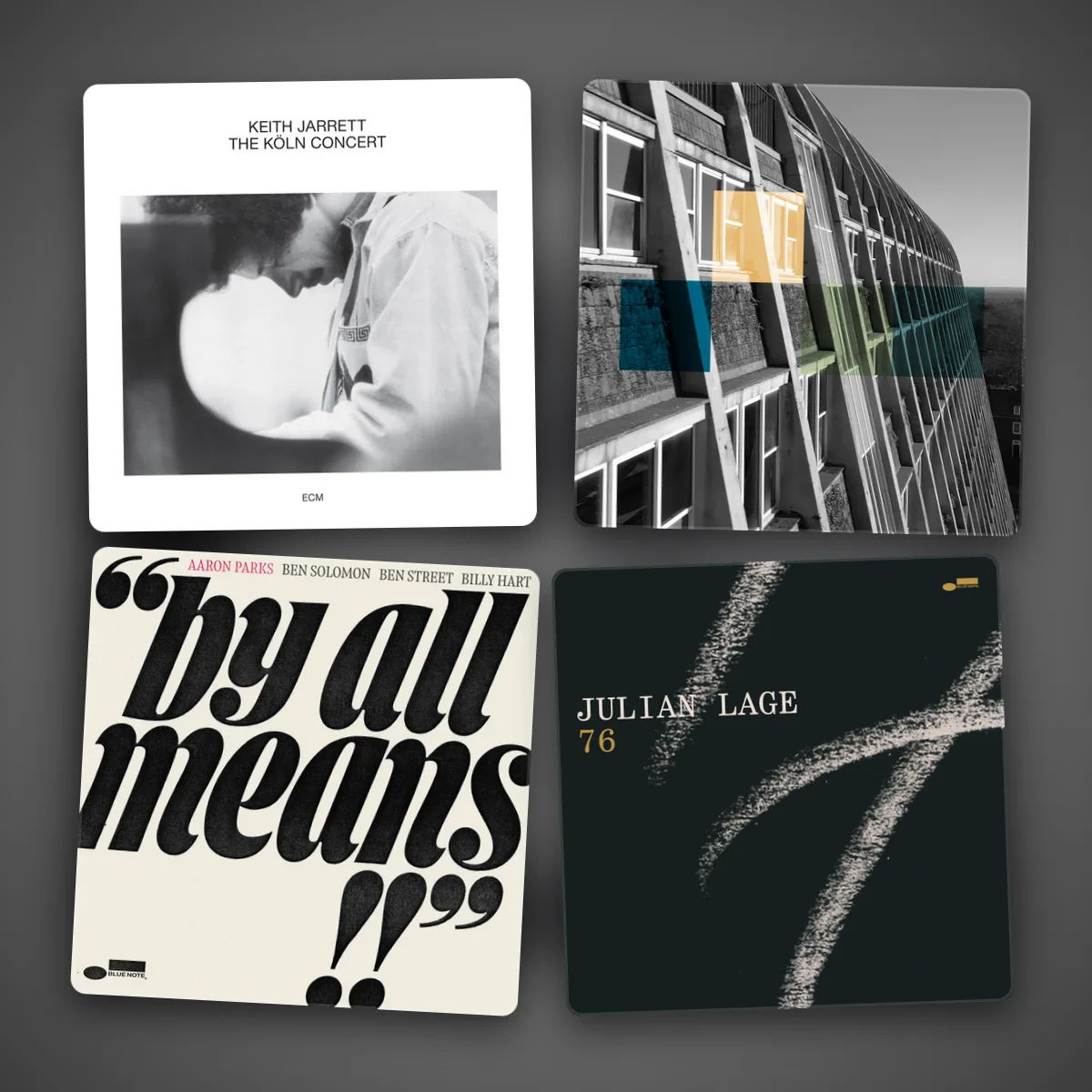
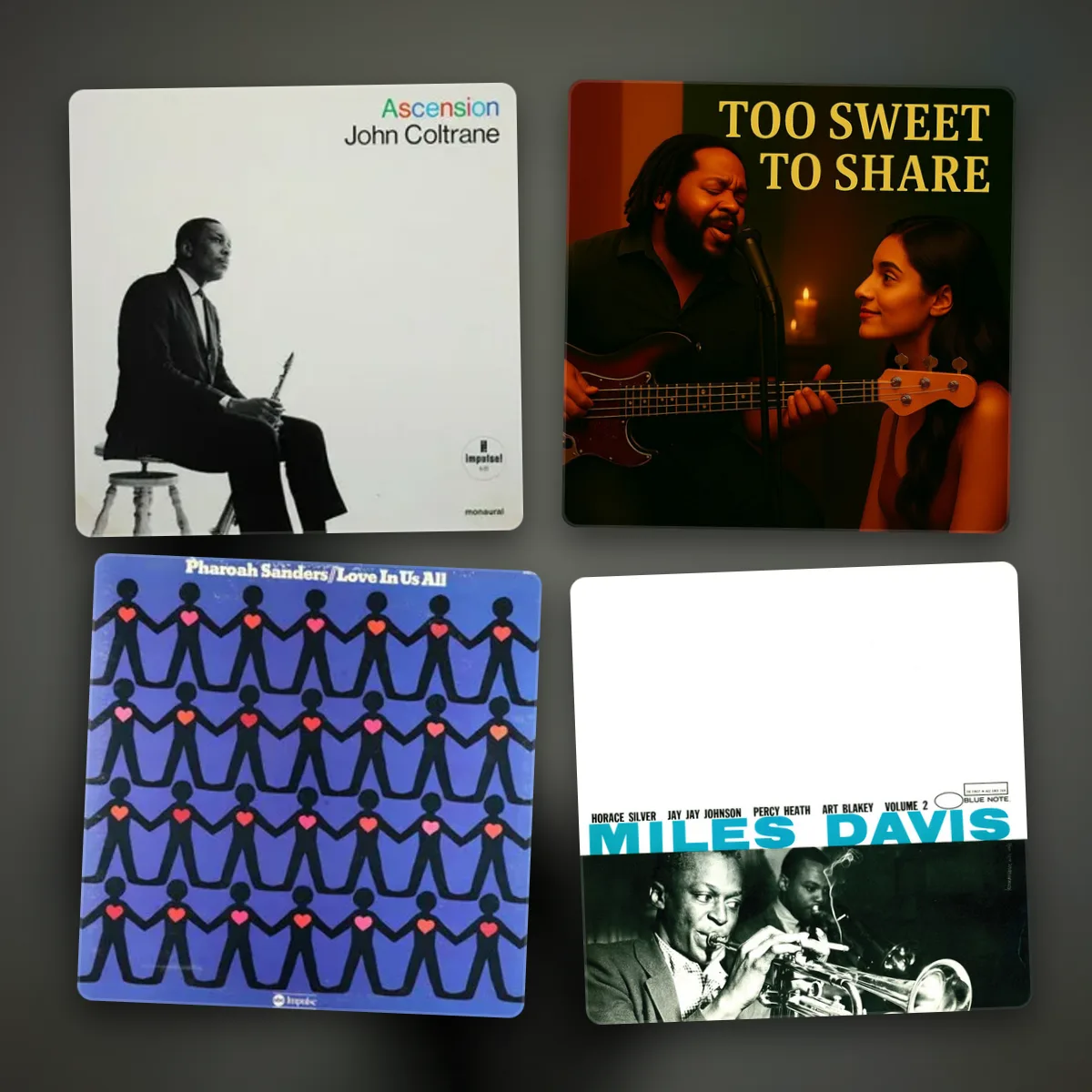
Top albums







Best playlists


Influenced by




Other similar genres
Genres sharing the most artists with Indie Jazz