Description
Indie pop rap pairs English-language rapping and melodic singing with programmed beats, deep bass and catchy vocal hooks. The name comes from Every Noise at Once, Spotify’s genre labels and The Sounds of Spotify playlist, with scant written description. Its music ranges from boom-bap and trap to pop rap and R&B-inflected electronic pop.
The grooves tend to be steady and head-nodding, with prominent kicks, crisp snares or claps, and hi-hats that can be either even or rapidly rolling. Synthesizers and keyboards supply pads, chords and repeating figures over simple, often minor-key loops. Some tracks use brief breaks in the drums for emphasis.
Voices sit forward in polished mixes: verses may be rhythmic and direct, while hooks lean into singing or sung rap. Doubled vocals, harmonies, ad-libs and pitch-treated phrases add texture. The mood can be reflective or brooding, but also playful and upbeat. Its artists are close to pop rap and R&B, sharing an emphasis on accessible melodies and smooth vocal phrasing. Many tracks in the playlist date from the early to mid-2010s.
Based on: Every Noise at Once, Spotify's genre tags and playlist

What Does “Indie Music” Even Mean?
blustre

This genre in rap is not talking about enough.
RapBarzzz
Beat and harmony
Build a steady mid-tempo groove with a strong kick, crisp snare or clap, and programmed hi-hats. Try either an even boom-bap pattern or a half-time trap feel with rolling hats. Add deep synth or sub-bass and a short, repeating chord progression; minor keys can give it a reflective edge.
Vocals and arrangement
Take cues from pop rap by contrasting rhythmic verses with a memorable sung or sung-rapped hook. Draw on R&B for smooth melodic phrasing, then add vocal doubles, harmonies or ad-libs. Briefly drop out the drums to emphasize a line or transition.
Production
Layer keyboard chords or synth pads around the vocal without crowding it. Keep the voice prominent and the low end full, and experiment with pitch correction, pitch-shifted phrases, delay or reverb.

Making a Nostalgic Indie Pop Song (Djo, Dayglow, mk.gee)
Trev Barnes

Making a Psychedelic Indie Song (Tame Impala, MGMT, Unknown Mortal Orchestra)
Trev Barnes

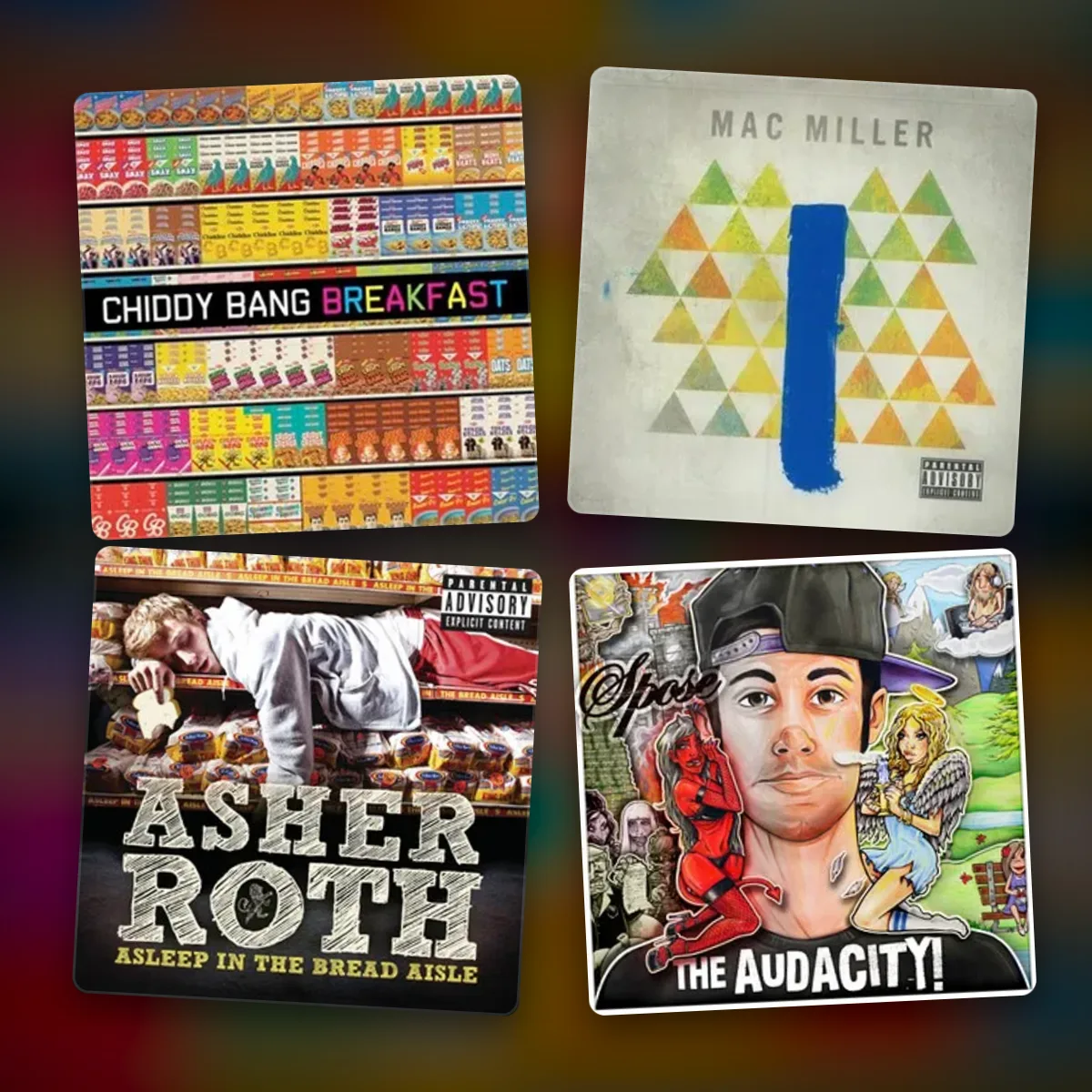
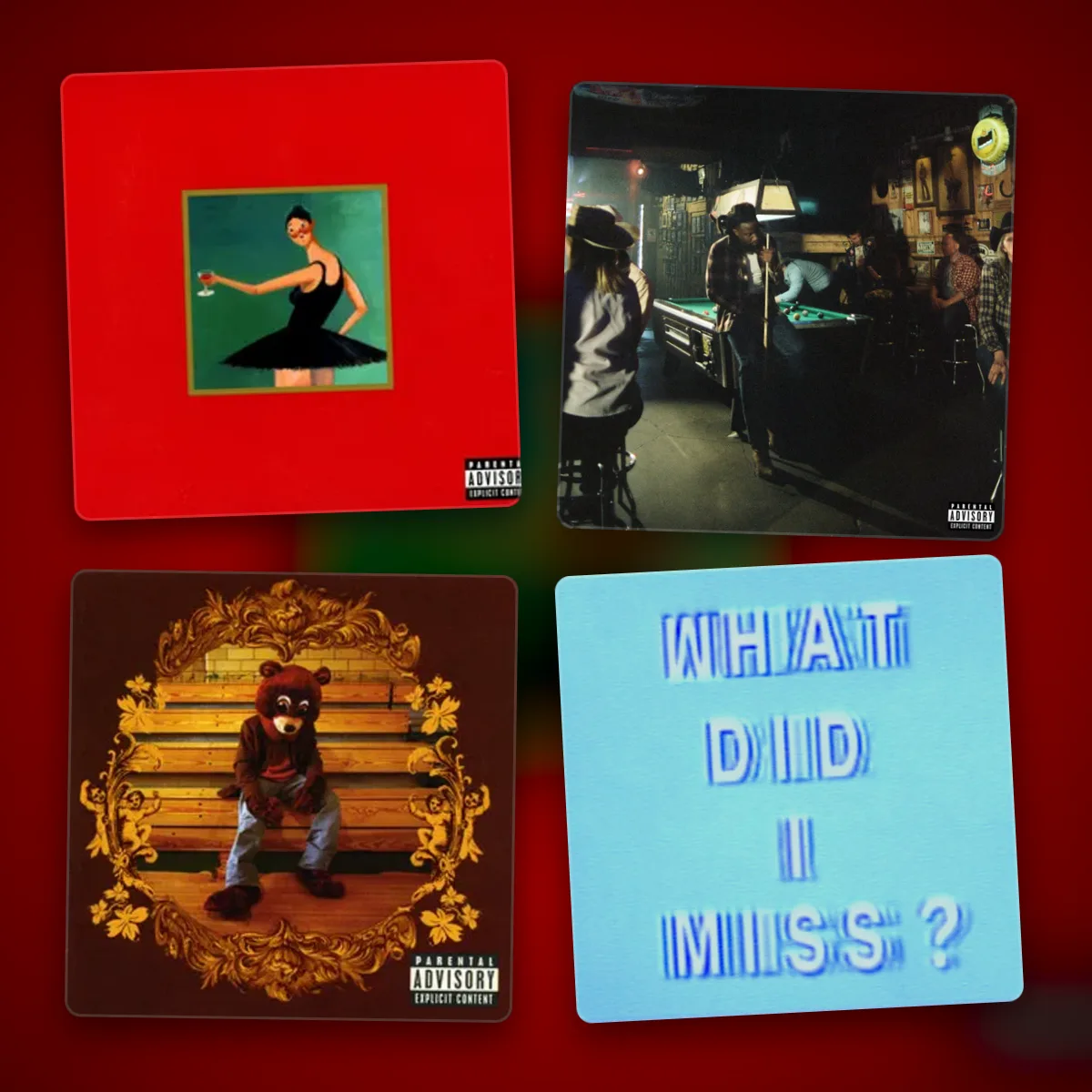
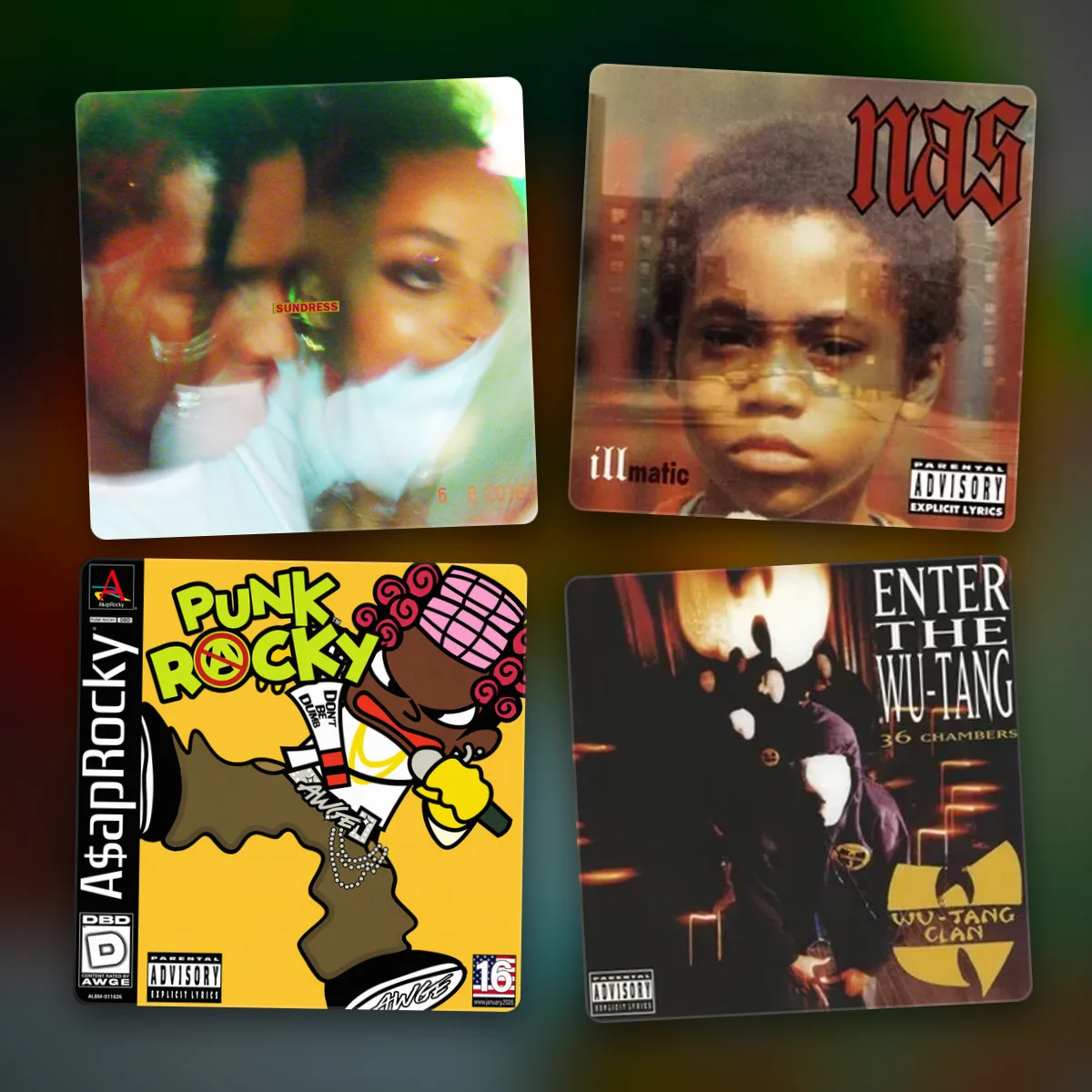
Top albums



Best playlists
Indie Pop Rap
Melodigging
The Sound of Indie Pop Rap
Every Noise at Once
Indie Pop Rap
Chosic

Indie Pop Rap Mix
Spotify

𝐏𝐥𝐚𝐲𝐥𝐢𝐬𝐭 이 정도 분위기면 솔직히 반칙이지..🖤🎧 | 감성힙합 R&B 인디 플레이리스트
URLIST
Other similar genres
Genres sharing the most artists with Indie Pop Rap