Description
Electric guitars move from clean, echoing figures to thick, distorted riffs in indie psychedelic rock, backed by bass and steady, often forceful drums. The name is used by Every Noise at Once and a Spotify playlist, but has received scant written discussion. Reverb gives the music a spacious, sometimes dense sound, while organ or synthesizer layers add atmosphere behind the guitars.
The music ranges from heavy hard rock and gritty blues- or garage-leaning rock to more atmospheric indie rock and synth-pop. Some songs drive forward on repeated guitar or bass patterns and prominent snare beats; others take a slower, more deliberate course. Minor-key melodies and repeating chords can give even the energetic tracks a shadowy or reflective cast.
Vocals are often layered or harmonized, with delivery ranging from soft and sustained to raspy and forceful. English-language singing is common. The music sits close to psychedelic rock and neo-psychedelia in its use of guitar effects and hazy textures, while some heavier passages recall stoner rock. Titles such as “Highway to the Moon,” “Saturn's Signal” and “Focus on Nature” suggest both cosmic and natural imagery. Many playlist releases come from the late 2010s.
Based on: Every Noise at Once, Spotify's genre tags and playlist

tsrct - PSYDUNELIC (Psychedelic - Surf - Arabian - Indie Rock)
tsrct

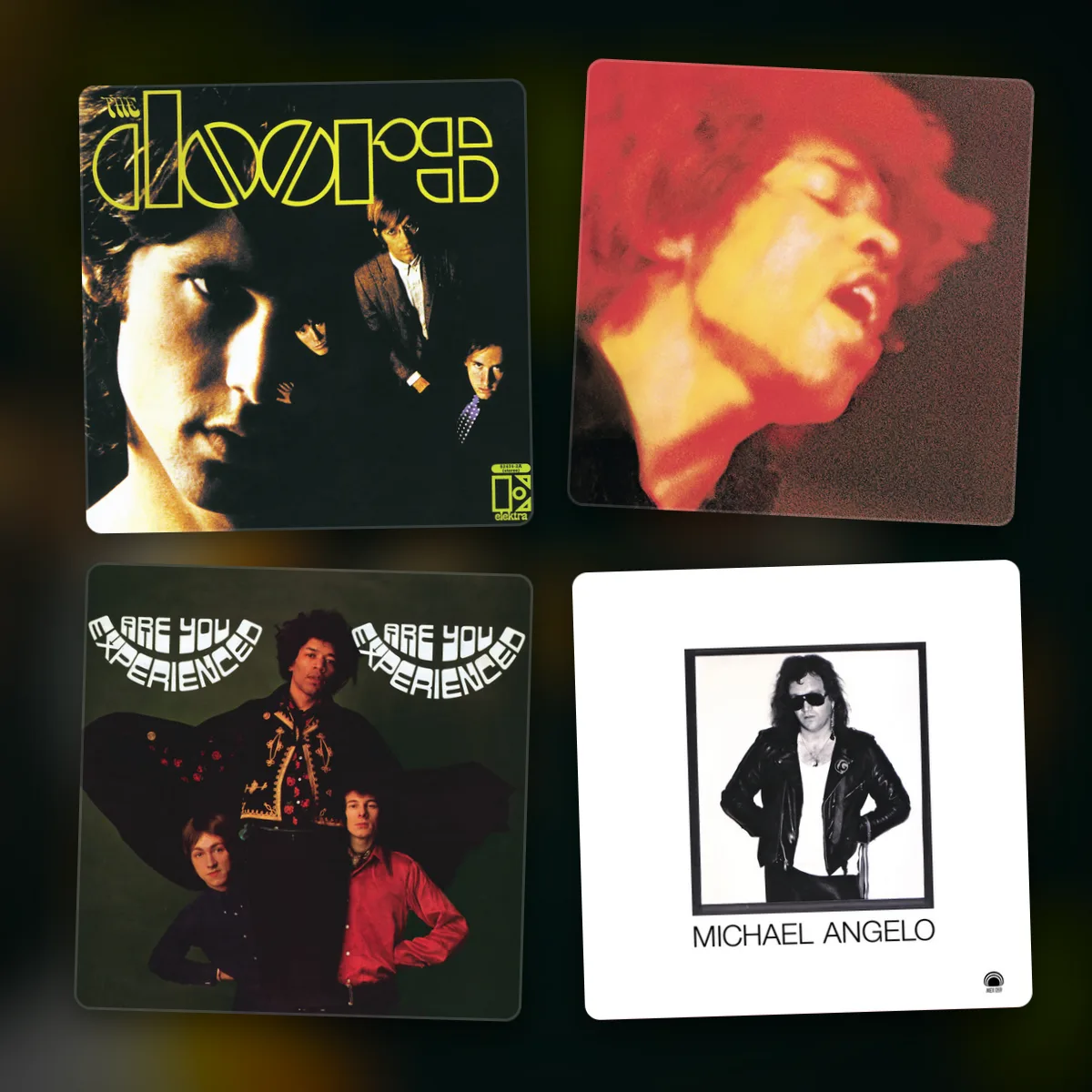
The Doors vs. Grateful Dead: Who Reigns in Psychedelic Rock?
Panama Kinal
Build the groove
Start with a steady rock drum pattern, a prominent snare backbeat and active cymbals. Lock the bass and rhythm guitar into a repeating figure; use a slow, weighty pulse or a faster driving groove.
Shape the guitars
Draw on psychedelic rock and neo-psychedelia by contrasting clean, ringing guitar motifs with fuzz or overdriven riffs. Try minor-key chord cycles or bluesy pentatonic phrases, and use delay and reverb to give the parts a sense of depth.
Layer the atmosphere and voice
Add sustained organ or synthesizer pads for the expansive character associated with space rock. Layer or harmonize the vocals, choosing either a soft, sustained approach or a rougher rock delivery. For a heavier stoner rock direction, bring the distorted guitars forward and keep the bass and drums solid beneath them.

Seperti Dulu - Exist (Ai Psychedelic Rock Cover)
DazixStudio

Making a Psychedelic Indie Song (Tame Impala, MGMT, Unknown Mortal Orchestra)
Trev Barnes

How to make Psychedelic Rock in under 3 MINUTES
Banana Labs

Produce a Psychedelic Song (A 5 Step Guide)
The Indie Music Lab

Top albums




Best playlists


Influenced by
Other similar genres
Genres sharing the most artists with Indie Psychedelic Rock