Description
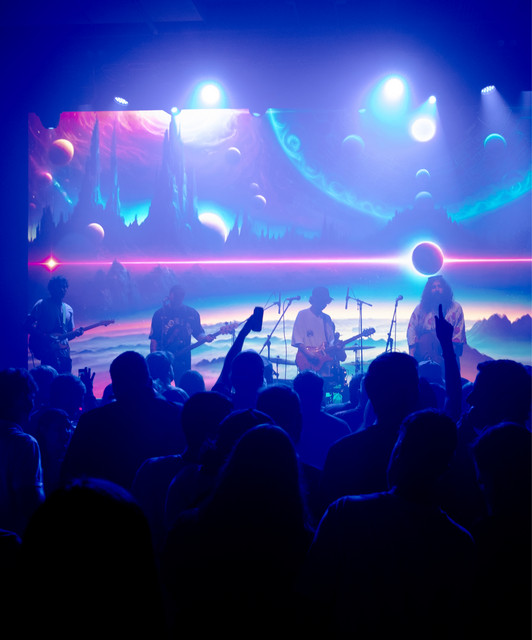
Indie rockism centers on driving rock songs with distorted guitars, forceful drums and soaring vocals. The name is used by Every Noise at Once and a Spotify playlist, though published descriptions are scarce. The music is close to alternative rock and pop-rock, balancing gritty intensity with catchy, anthemic melodies.
Most tracks move at a steady mid-tempo or fast pace, powered by prominent kick and snare and often punctuated by crashing cymbals. Bass and overdriven electric guitar give the songs weight, while synthesizers add atmosphere or deepen the low end; piano also features in some arrangements. The production tends to be dense and polished, with wide stereo sound, distortion and reverb. Some songs pull back to a sparser texture before building again.
English-language lead vocals often sit in a high register, ranging from raspy singing to full-throated belting. Layered harmonies and wordless backing vocals lend choruses a communal feel. The mood is frequently dramatic or angsty, though some songs have a more upbeat, carefree energy. Titles such as “Too Young to Be in Love,” “Please Don’t Go” and “Trial and Error” suggest themes of relationships, youth and uncertainty. Much of the playlist’s music dates from the mid-2010s.
Based on: Every Noise at Once, Spotify's genre tags and playlist

ROCK IS STUCK IN THE PAST (and it's killing the genre)
The Punk Rock MBA

wtf is “indie rockism”? #music
blustre
Build the rhythm
Start with a steady mid-tempo or fast rock beat, emphasizing the kick and snare. Add crashing cymbals for lift, or introduce electronic drums and synth bass for a more pop-oriented pulse.
Layer the sound
Use distorted electric guitars and bass as the foundation, drawing on alternative rock and pop-rock. Add synth pads, a lead synth or piano around the band. Contrast a sparse verse with a dense, reverberant chorus, using saturation and compression to make the fuller sections feel wide and forceful.
Write the vocal
Aim for a memorable, soaring melody and an emotional delivery. Layer backing harmonies or wordless vocal hooks behind the lead, especially in the chorus.

How to Make Indie Rock Beats in FL Studio
feezo

How To Make an Indie Rock Type Beat #flstudioproducer #musicproducers #flstudiotutorial
ChillPanic