


Description
Instrumental grime puts the producer and the track itself in the foreground rather than treating the beat primarily as a backing for an MC. It retains grime’s fierce energy and atmospheric menace, but can leave a great deal of space inside the music. Busy passages and open textures, stark urban-sounding synthesizers and an aggressive physicality all form part of its vocabulary.
The style ranges from direct dancefloor tracks to more exploratory productions. Compared with grime’s first wave of instrumentals, its later wave is distinguished by more elaborate structures, progression and detail; many tracks are made with DJs, dancers and other producers in mind.
One critic has praised the music’s rigor while arguing that grime’s male-dominated culture, including its instrumental scene, and its sullen humor come at the expense of wider female participation.
Based on: factmag.com, dazeddigital.com, newyorker.com
More on: Every Noise at Once

What’s the best Grime instrumental of all time? 👀 | JME Walkie Talkie 🎙️
CORD
History
Roots in grime
Instrumental grime grew out of grime’s London roots. An early wave of grime instrumentals appeared in the 2000s, within a style otherwise strongly associated with MCs. Producers subsequently began to seek recognition beyond the role of providing backing for vocalists.
A new instrumental wave
By 2013, a network of producers was making music intended less for MC sets than for other listening and club contexts. Butterz helped bring experimental producers onto dancefloors and the airwaves, while Night Slugs’ interest in early grime’s rough production, contrasting density and space, and urban synthesizer sounds pointed toward less conventional possibilities.
Slackk, Oil Gang, Mr Mitch and Logos established Boxed as a night devoted to instrumental grime. Producers associated with the wider wave included Samename, Bloom, Visionist and Rabit, alongside Slackk.
Build the instrumental
Start with a grime-informed electronic track that can hold attention without an MC. Give the production a forceful rhythmic identity and an atmosphere with a menacing edge. Rather than filling every gap, contrast densely active passages with open space; stark synthesizer sounds can supply color and tension.
Develop the arrangement
Make the track more than a repeating vocal backing. Develop its ideas through changes in texture, progression and small production details. You could move between a direct, club-focused passage and a more unusual or disorienting section, while keeping the transitions clear enough for a DJ and dancers to follow.
Refine the sound
A practical approach from electronic dance production is to build the track around a few distinctive rhythmic and synthesized elements, then alter their placement, intensity or processing as it unfolds. Leave room for the individual sounds to register, especially in the sparser passages.

Making An Authentic Grime Beat From Scratch For Skepta In FL Studio
Jay Cactus TV

Basic Grime Drum Pattern Tutorial
STRANJAH

How To Make UK Grime Beats For AJ Tracey & Jorja Smith
Jay Cactus TV
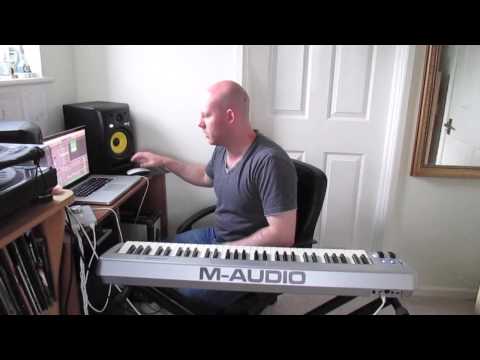
Making a Grime Instrumental From Scratch by Lord Lav
Lord Lav

Top albums




Best playlists


Influenced by

Other similar genres
Genres sharing the most artists with Instrumental Grime


