Description
Instrumental post-rock moves from slow, spacious guitar and piano patterns to driving rock arrangements with drums, bass and layers of electric guitar. The name is used in Spotify’s genre labels, the Every Noise at Once map and a Sounds of Spotify playlist, though there is scant writing about it. The music is mostly instrumental and often reflective or melancholic, even when it gathers an anthemic intensity.
Clean electric guitars pick out repeating arpeggios, sometimes joined by piano or sustained synthesizer washes. Reverb and delay give the instruments a wide, lingering sound; some tracks add singing lead-guitar melodies or build dense layers of distortion. Rhythm can come from a steady rock beat, restrained drums or the pulse of a repeating guitar or piano figure.
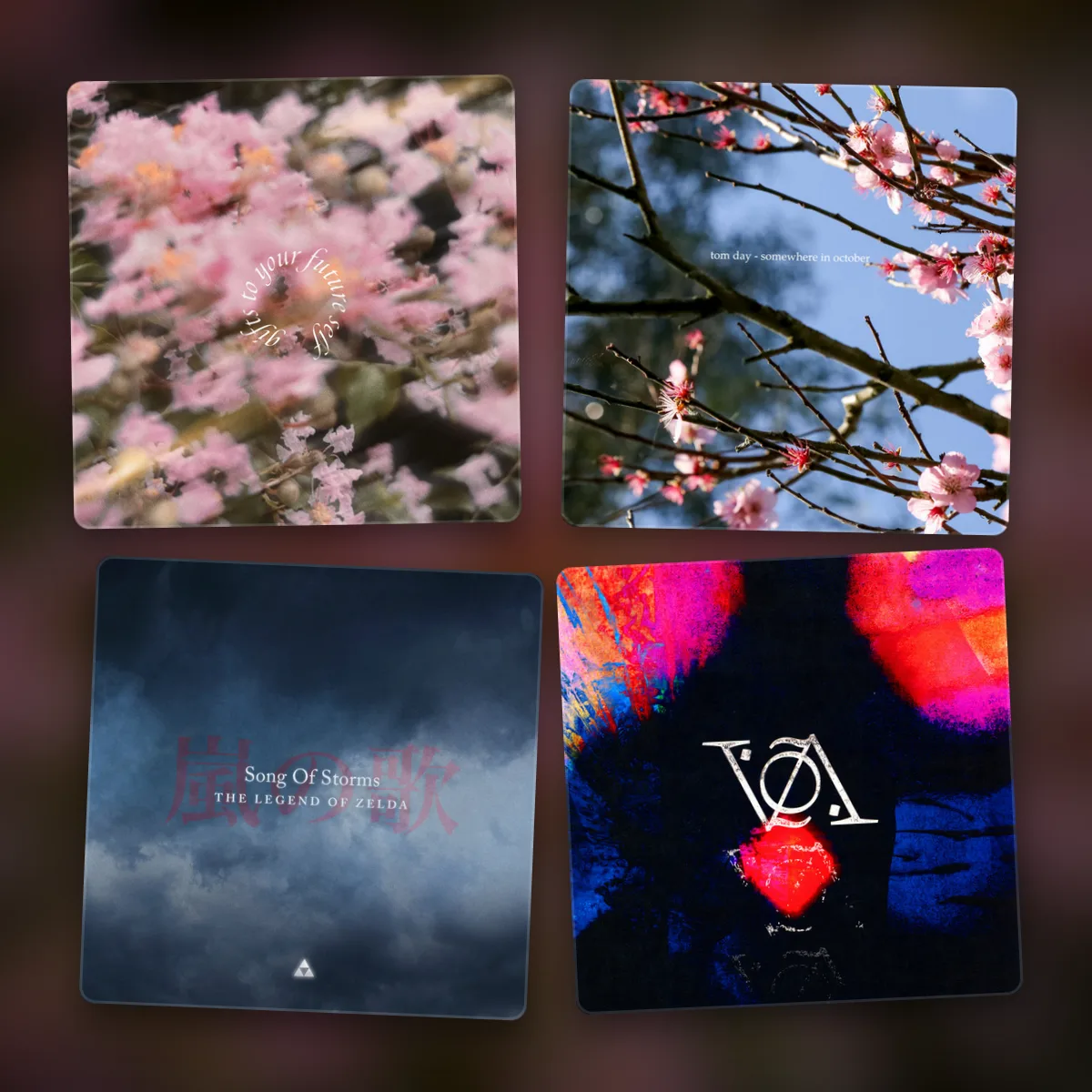
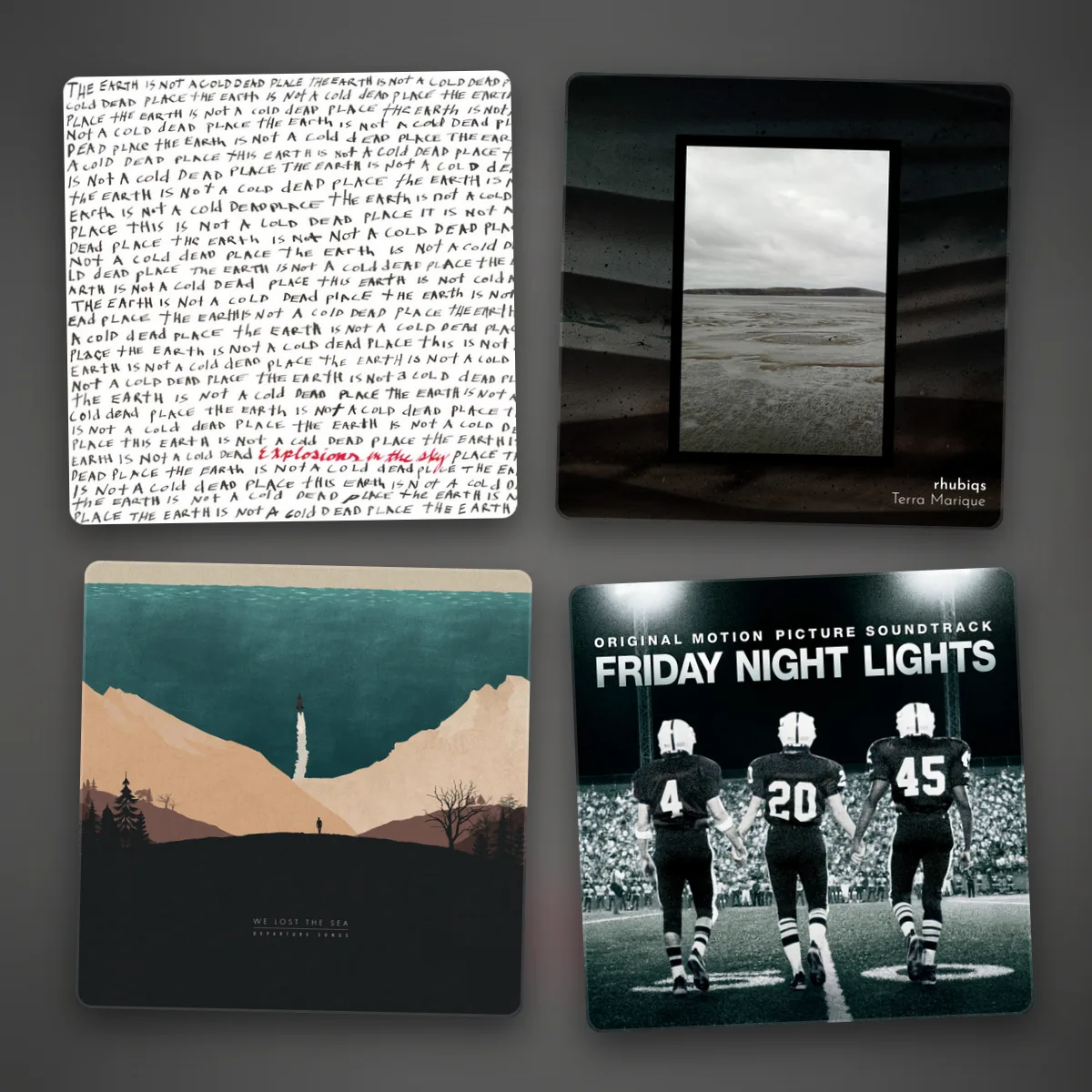
The music sits close to post-rock’s emphasis on texture and atmosphere, with ambient-like passages alongside fuller band arrangements. Titles such as “Your Dreams Are My Dreams” and “One Last Goodnight” suggest a contemplative, emotive character. Releases in the playlist are mostly from the 2010s; artists associated with the style include Explosions In The Sky, This Will Destroy You and We Lost The Sea.
Based on: Every Noise at Once, Spotify's genre tags and playlist

5 Albums to Get You Into POST ROCK
deep cuts

What is Post-rock? 🙌 #postrock #postrockmusic #instrumentalmusic
Stella's Encounter
Build a repeating figure
Start with a clean electric-guitar or piano arpeggio and let it establish both harmony and pulse. Minor-key progressions can give the music a reflective character. Add a sustained guitar melody or a contrasting picked line without crowding the central pattern.
Shape the arrangement
Draw on post-rock’s attention to texture: layer bass, synthesizer pads and guitars gradually, leaving space between parts. For quieter sections, use sparse drums or let the repeating figure carry the rhythm. For a more driving passage, bring in a full rock beat and build toward a denser distorted-guitar sound.
Create atmosphere
Take a cue from ambient music and use reverb and delay to extend guitar and piano notes into a spacious wash. Keep the mix mostly instrumental, balancing clear melodic details against the wider layers.

Sound Like Ultimate Post Rock Rig | Without Busting The Bank
Andertons Music Co

The Most Epic Post Rock Chord Progression
Trevor Wong

Easiest Ambient Guitar & Post Rock Chord Shapes (and why they work so well)
Antoine Michaud

Intense Post-Rock Drumming
Jeff Randall

Top albums







Best playlists


Influenced by

Other similar genres
Genres sharing the most artists with Instrumental Post-Rock