


Description
J-division brings together high-energy Japanese pop-rock and dance-pop, driven by punchy drums, bright synthesizers and often distorted electric guitars. The term comes from Spotify’s genre map Every Noise at Once and The Sounds of Spotify’s playlist “The Sound of J-Division”, though the music has received little written discussion.
The songs tend to be fast and densely arranged, with bass, brass accents and sometimes sweeping strings adding weight to the beat. Some favour a steady dance kick, while others lean into quick pop-rock drumming. Clear, theatrical vocals carry soaring melodies; singers often trade lines, join in unison or layer harmonies and group chants. Japanese lyrics are sometimes punctuated by English phrases. The production is polished and bright, with prominent, reverberant voices above a wide, compressed backing.
The music sits close to j-pop, j-rock and anime songs. Many releases are character songs or themes associated with anime and other fictional projects, performed by voice actors as soloists or in groups. The playlist’s releases are mostly from the mid-2010s, and range in mood from dramatic and urgent to joyful and celebratory.
Based on: Every Noise at Once, Spotify's genre tags and playlist
Build the backing
Start with a fast, driving beat, using either a four-on-the-floor kick or a busy pop-rock drum pattern. Add active hi-hats, fills and occasional pauses to heighten the drama. Combine distorted guitar and bass with bright synth leads or arpeggios; brass accents and strings can give the arrangement a larger, theatrical sweep.
Write and arrange the vocals
Draw on the catchy melodies and polished energy of j-pop, the guitar-driven attack of j-rock and the theatrical presentation of anime songs. Write a soaring vocal hook, then use traded solo lines, unison passages and layered harmonies to make the chorus feel expansive.
Finish the mix
Keep the vocal clear and forward over a dense, bright backing. Use reverb for size and compression to give the full arrangement a consistent, forceful sound.



Best playlists
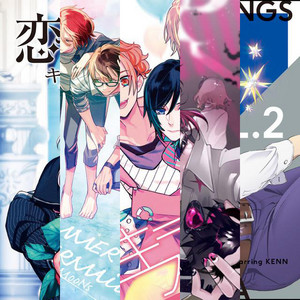
The Sound of J-Division
Every Noise at Once
J-Division
Chosic
J-Division
Bisho

Joy Division Greatest Hits
patrick cosgrove


