Description
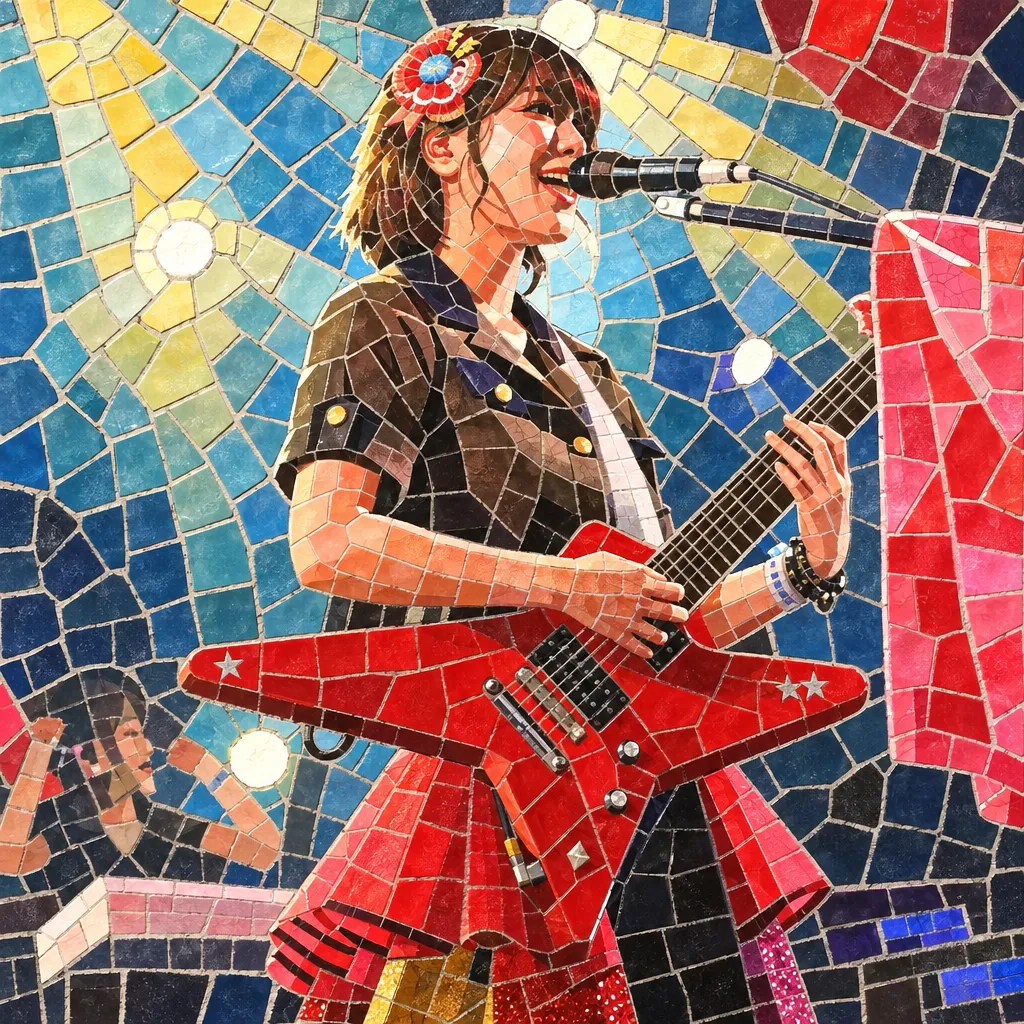
J-pixie centers on dramatic, high-energy songs driven by distorted electric guitars, bass and forceful rock drums. The name is catalogued by Every Noise at Once and used for The Sounds of Spotify’s playlist “The Sound of J-Pixie,” though written accounts of the style are scarce. Most tracks move fast, with strong snare backbeats, crashing cymbals and frequent rapid kick patterns.
High-register lead vocals sit prominently above the instruments, often soaring or belting through anthemic melodies, with backing harmonies adding weight. The singing is primarily in Japanese, sometimes with English phrases; track titles also use both languages. Piano, strings and synthesizers add color to the dense guitar sound, while polished production gives the music a wide, layered impact. Minor-key harmonies often lend it an urgent, defiant or heroic mood.
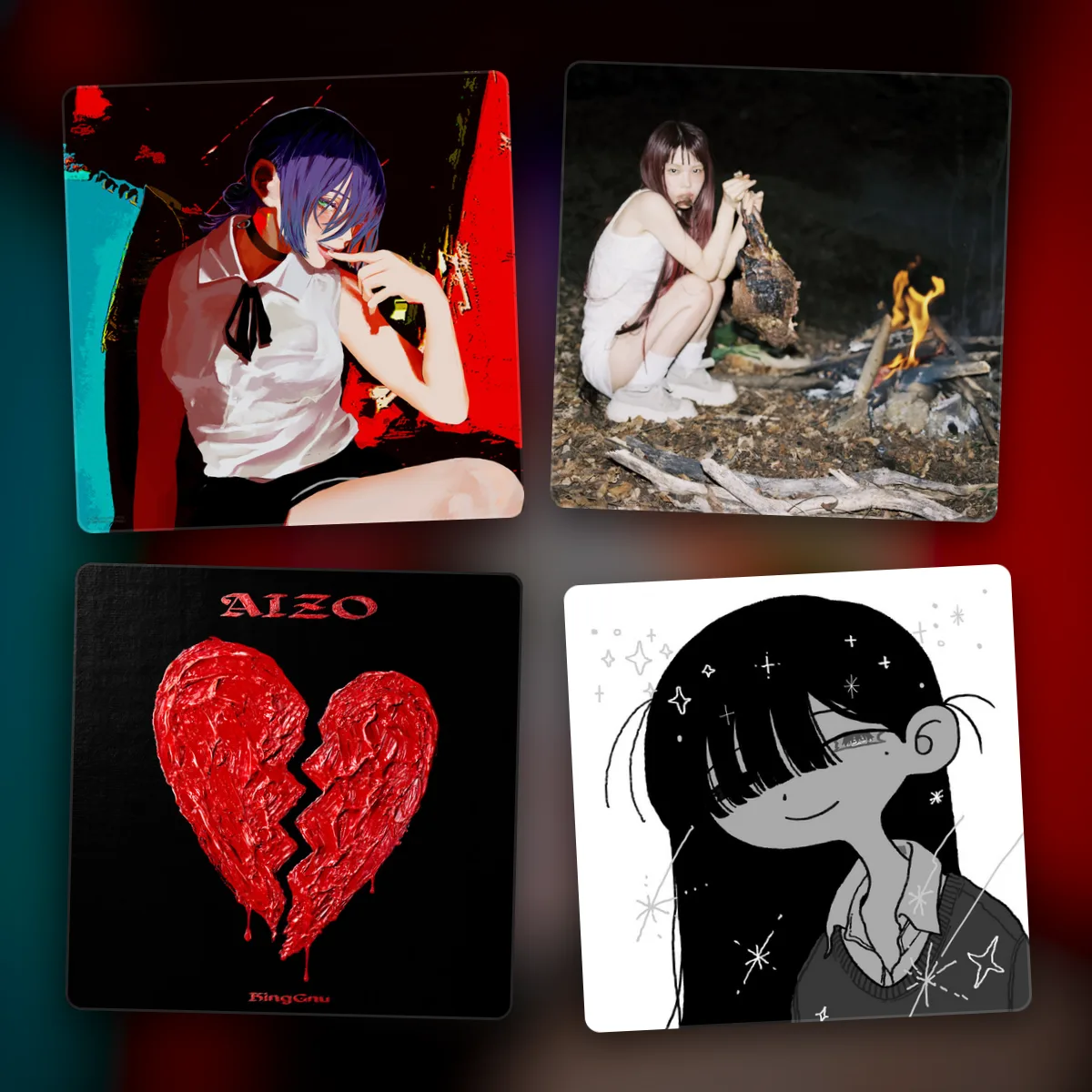
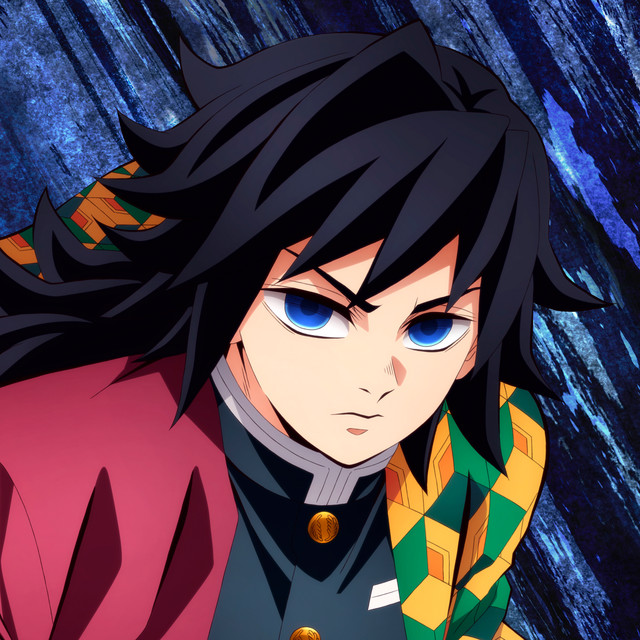
The music sits close to j-rock and j-pop, with the melodic immediacy of pop set against the power of a rock band. Its artists are also associated with anime songs. Playlist selections such as ASCA’s “RESISTER,” Konomi Suzuki’s “This game” and EGOIST’s “名前のない怪物” sit alongside heavier and more electronic-leaning material. Many of the playlist releases are from the 2010s.
Based on: Every Noise at Once, Spotify's genre tags and playlist
Build the band sound
Start with a fast rock groove: emphasize the snare backbeat, use energetic cymbals and add rapid kick patterns or fills to heighten transitions. Layer distorted electric guitars and bass into a thick, driving foundation, drawing on j-rock’s force and j-pop’s melodic clarity.
Write for a soaring voice
Give the lead a prominent, high-register melody with wide-ranging, anthemic phrases. Try minor-key chord progressions for dramatic tension, and reinforce climactic lines with vocal doubles or harmonies.
Add scale and polish
Use piano chords or arpeggios, string layers and synthesizer textures around the guitar arrangement. Build a dense, wide mix while keeping the lead vocal clear and forward.

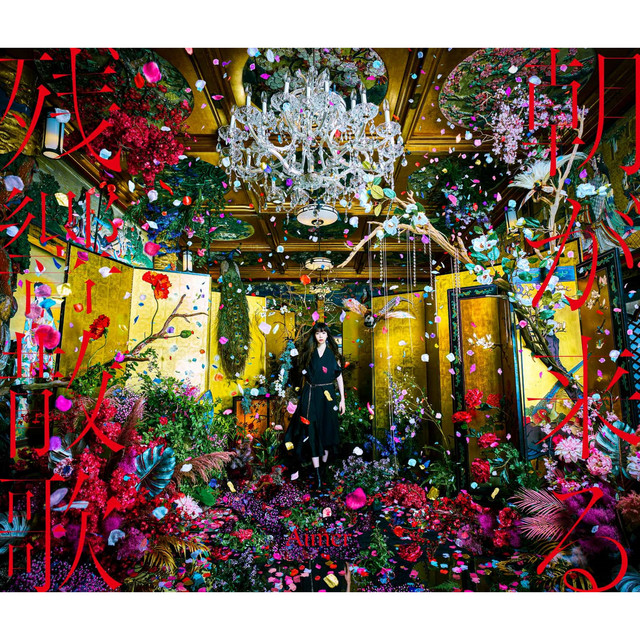
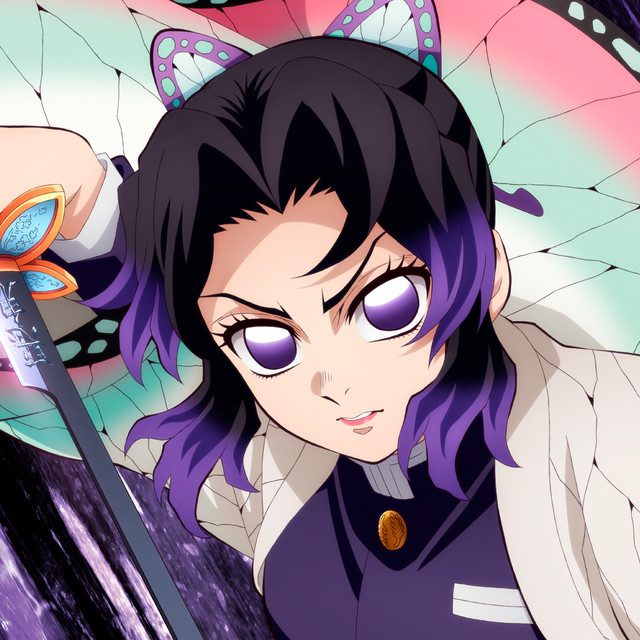
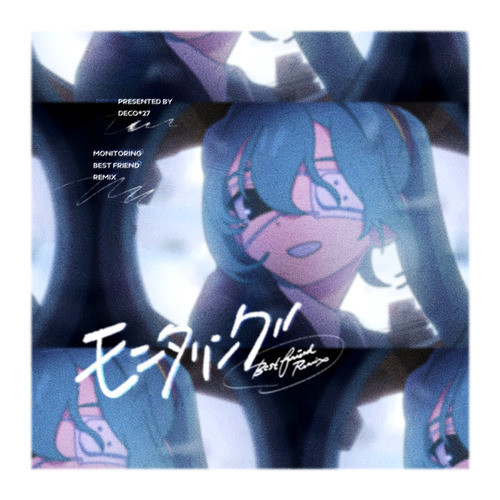
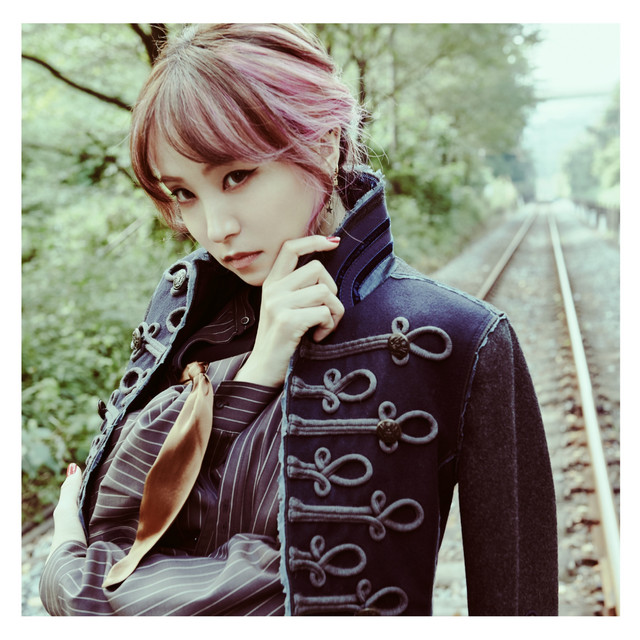
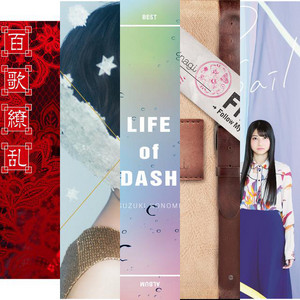
Top albums

Best playlists

Influenced by


Other similar genres
Genres sharing the most artists with J-Pixie