Description
Driving drums, distorted guitars and soaring Japanese vocals give j-poprock a punchy, melodic sound. The term is used by Every Noise at Once and Spotify’s playlist “The Sound of J-Poprock,” but has scant written description. The music is closely associated with j-rock and j-pop, bringing rock-band force together with polished pop hooks.
Songs often move at a fast pace, with emphatic snare backbeats, active cymbals and drum fills pushing the melody forward. Electric bass and layers of overdriven guitar fill out the arrangements, sometimes joined by piano, synthesizers or orchestral-style strings. Lead voices are prominent and expressive, frequently reaching for sustained high notes; backing harmonies add weight to some choruses. The singing is mainly in Japanese, occasionally interspersed with short English phrases.
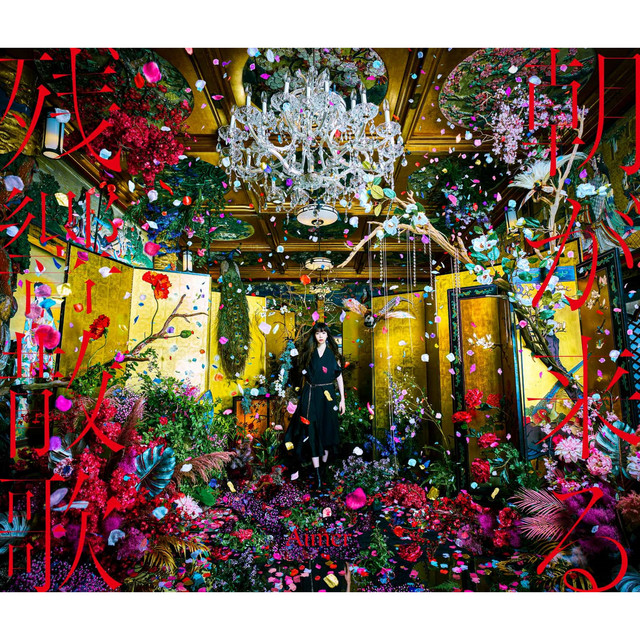
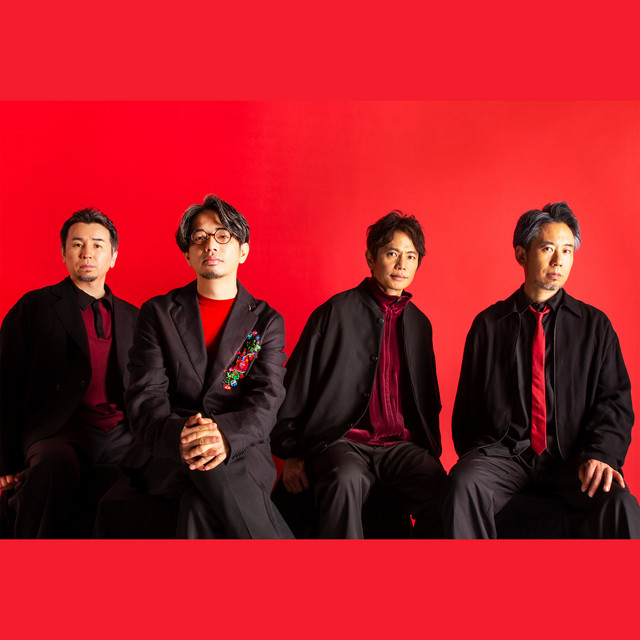
The mood tends toward the urgent, passionate and anthemic, though brighter, uplifting melodies also feature. Some songs use major-key progressions for a triumphant feel, while others lean into darker minor-key drama. Production is typically polished and wide, with upfront vocals and densely layered instruments. Playlist releases are mostly from the late 2000s and early 2010s. Artists associated with the style include Aimer, ASIAN KUNG-FU GENERATION, UVERworld and SPYAIR.
Based on: Every Noise at Once, Spotify's genre tags and playlist
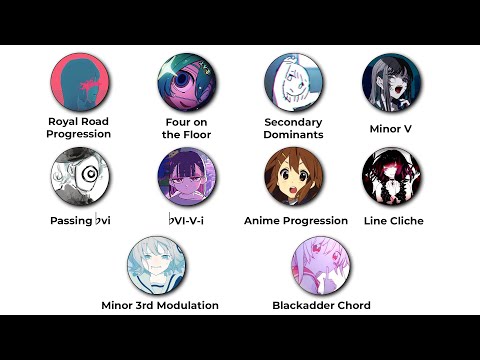
EVERY Japanese Pop Music Cliches Explained
akabex

Who's Your Top 10? (Japanese Pop Rock Band Edition)
Bonz
Build the band sound
Start with a driving drum-kit beat: put a strong snare on the backbeat, keep the cymbals active and use fills to lift transitions. Add electric bass and layered rhythm guitars, using overdrive or distortion for a dense, energetic sound. J-rock is a useful reference for the forceful band arrangement.
Write the melody
Draw on j-pop for a clear, memorable vocal hook. Write expressive phrases that rise into the upper register and sustain important notes, then add backing harmonies to reinforce the chorus. Major-key chords can give the song an uplifting quality; minor-inflected progressions can make it more dramatic.
Arrange and mix
Use piano, synthesizer or string-like pads to add melodic color around the guitars. Keep the lead vocal upfront with some reverb, spread the guitars across the stereo field, and aim for a polished, punchy mix.

More JPOP guitar chords…
William Vinci

How To Make A Modern J-Pop Song
indrop

Top albums






Best playlists


Influenced by


Other similar genres
Genres sharing the most artists with J-Poprock