Description
Warm keyboard chords and deep bass move over laid-back, head-nodding drum loops, with crisp snares and shuffling hi-hats giving the music its swing. The name is used by Every Noise at Once, Spotify’s genre labels and the playlist “The Sound of Jazz Boom Bap”, though published descriptions are scarce. The music tends to be relaxed and introspective, often with a melancholy or late-night feel.
Electric piano, organ and muted piano supply jazzy, often minor-key chords that repeat in short cycles. Guitar, soft synthesizer or string-like pads, and occasional horns add melodic color. Most tracks have a warm, dusty finish, with crackle, hiss or softened high frequencies around punchy drums; reverb and delay give some melodies extra space. Many pieces are instrumental, while some use indistinct or wordless voices as texture.
The music sits close to boom bap, with its prominent kick-and-snare pulse, and jazz rap, which brings jazz harmony and instrumental colors into hip hop. It also shares the relaxed, beat-centered character of lo-fi hip hop. Playlist titles are largely in English, with some in other languages, and most releases are from the late 2010s and early 2020s.
Based on: Every Noise at Once, Spotify's genre tags and playlist
Build the groove
Start with a slow or mid-tempo boom bap drum loop. Place a firm kick against a crisp snare or rimshot, then give the hi-hats a gentle shuffle or swing. Keep the drums punchy and forward in the mix.
Add harmony and melody
Draw on jazz rap and lo-fi hip hop: loop a minor-key electric piano or organ progression with extended chords, and anchor it with a deep bass line. Add a short, contemplative guitar, keyboard or horn motif, leaving room for the chords to breathe.
Shape the texture
Soften the high end or add subtle saturation, hiss or crackle for a worn, warm finish. Use reverb or delay to place melodic parts farther back than the drums. The arrangement can remain instrumental, or use an indistinct vocal sample as an atmospheric layer.

BEAT RAP BOOM BAP "Misunderstood" HIP HOP FREE USE - USO LIBRE
Jota Rodríguez

How I Make Boom Bap Melodies
rly Beats

how to make BOOM BAP drums #flstudio
Woodstock On The Beat

How to Make ACTUAL Old School, Boom Bap Beats in FL Studio | 5 TIPS
Busy Works Beats

Top albums




Best playlists


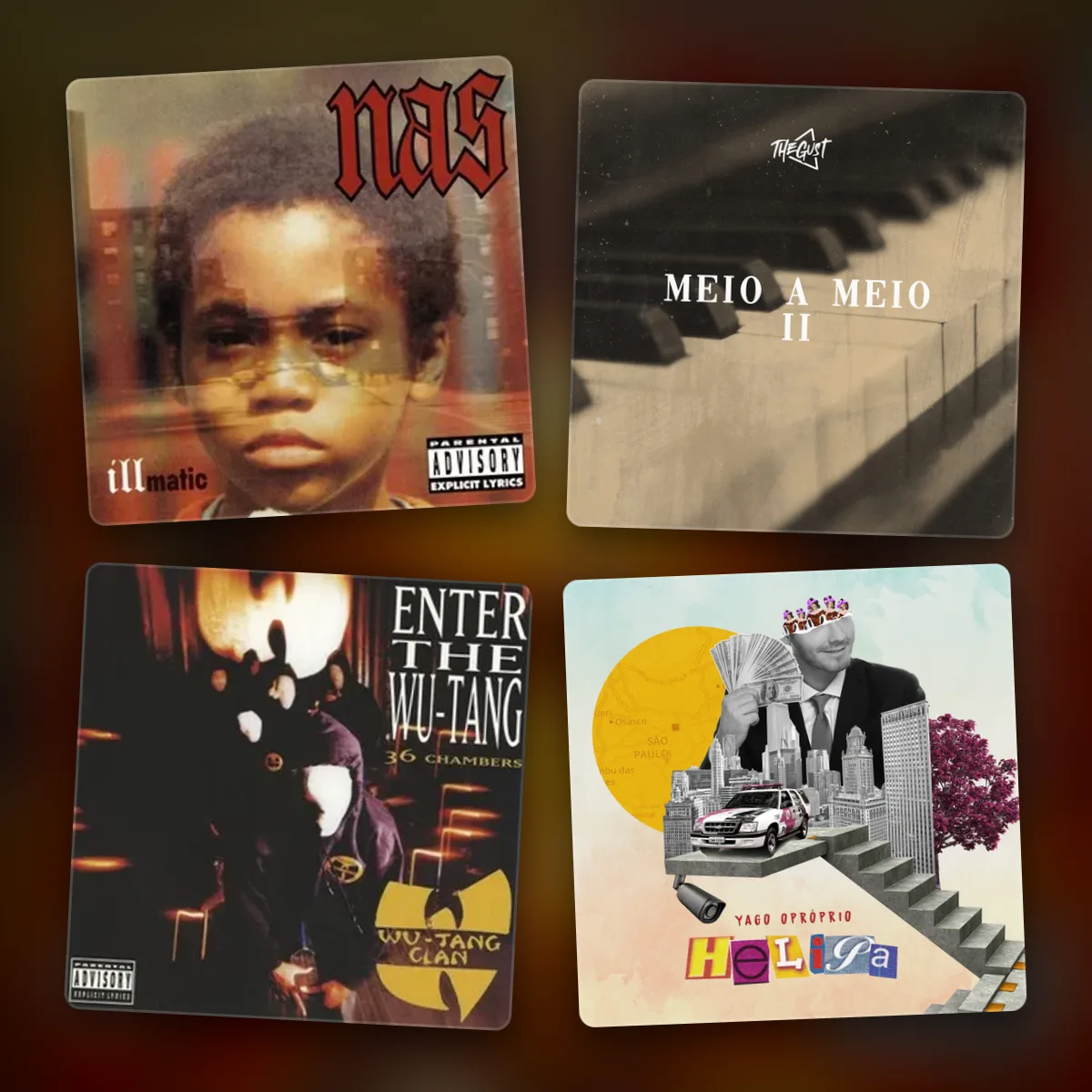
Influenced by

Other similar genres
Genres sharing the most artists with Jazz Boom Bap