Description
Clarinet lines swoop, bend and race through instrumental jazz, sometimes in front of a compact rhythm section and sometimes among a fuller group of horns. The name is used by Every Noise at Once and a Sounds of Spotify playlist, but has scant written coverage. The music is often lively and fast, with a bouncy swing pulse, though slower, more intimate playing is also part of the picture.
Upright bass, piano and drums frequently support the lead, with walking bass lines, ride cymbal patterns and syncopated snare accents. Trumpet or cornet, saxophone and lower brass can add weight and contrast. Melodies draw on jazz and blues harmony, moving between expressive bends and vibrato, quick runs and improvised exchanges. Much of the sound is acoustic, with the lead instrument prominent; some recordings have a narrow, vintage sound with audible hiss or saturation.
The music ranges from traditional ensemble jazz and brass-band playing to fast, intricate bebop. Swing and big band are close relatives, while titles such as “Clarinet Blues” and “Blues For Clarinets” point to the blues vocabulary running through some of the repertoire. There are also familiar song titles such as “It Had To Be You” and “You Go to My Head,” treated as material for instrumental playing.
Based on: Every Noise at Once, Spotify's genre tags and playlist
Build the ensemble
Put clarinet at the front of an acoustic jazz group. Support it with piano, plucked upright bass and drums; add trumpet, saxophone or lower brass for a fuller ensemble sound.
Shape the rhythm
Draw on swing for a buoyant pulse: let the bass walk while the drummer uses ride cymbal, hi-hat and syncopated snare accents. For a different feel, try a march-like brass-band groove, or slow the rhythm down for a more intimate performance.
Write and improvise
Use jazz and blues chord progressions as a foundation. Give the clarinet a clear melody, then elaborate on it with bends, vibrato, chromatic phrases and quick runs. Big band arranging can provide contrasts between a featured solo and passages for the horns together.
Record the group
Keep the lead instrument prominent while preserving the sense of musicians playing in a room. A narrow, gently saturated sound can suggest the character of older acoustic recordings.

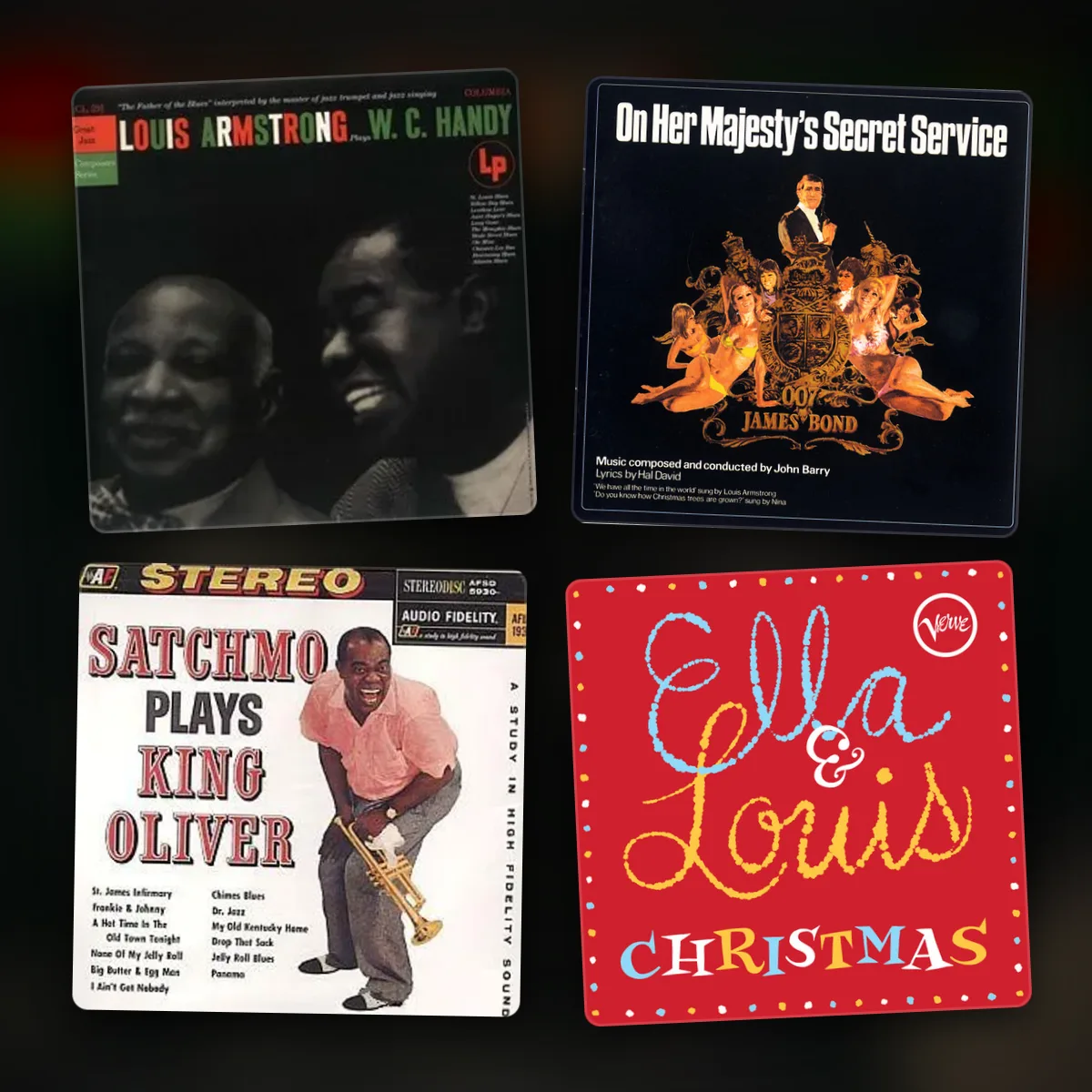
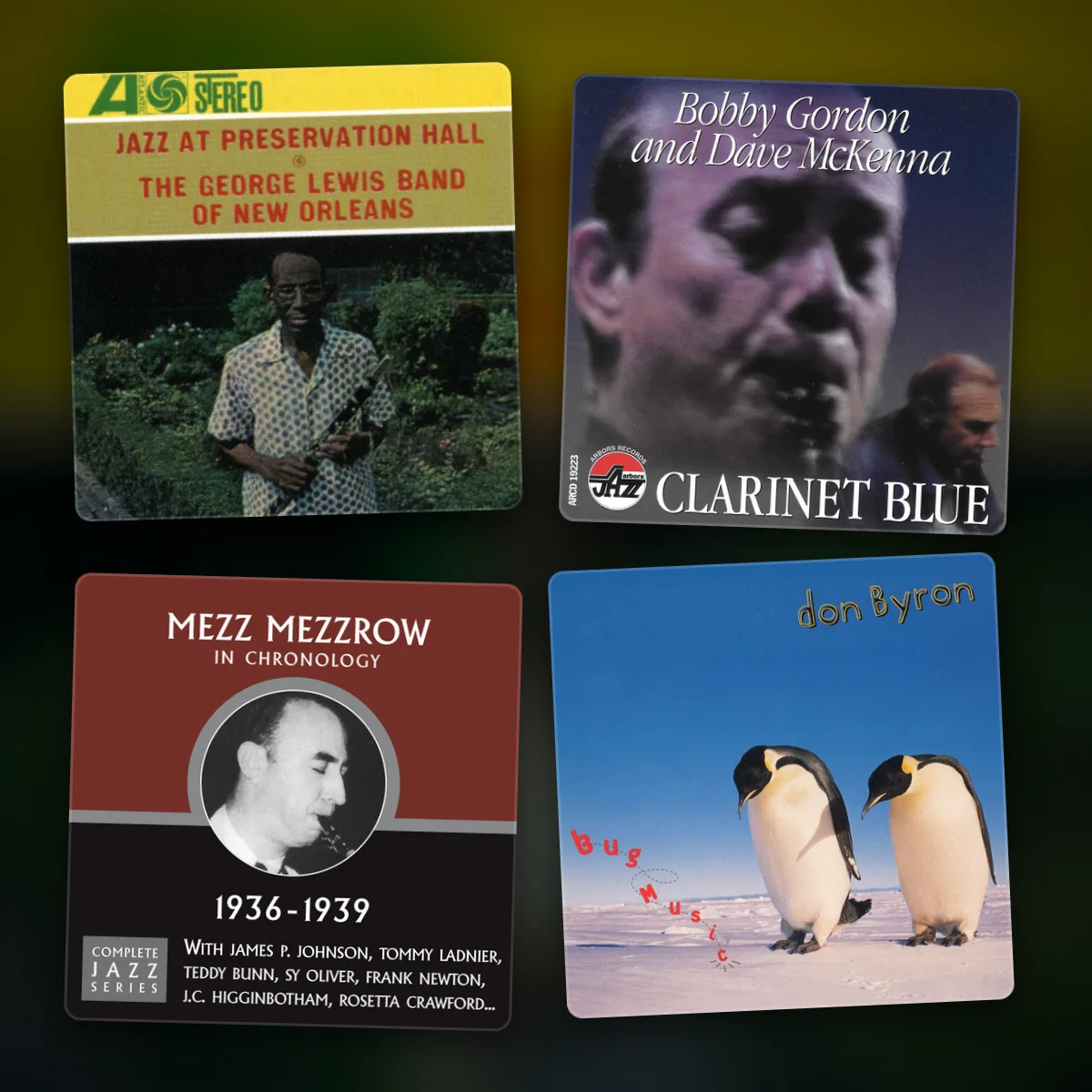
Top albums



Best playlists



Influenced by




Other similar genres
Genres sharing the most artists with Jazz Clarinet