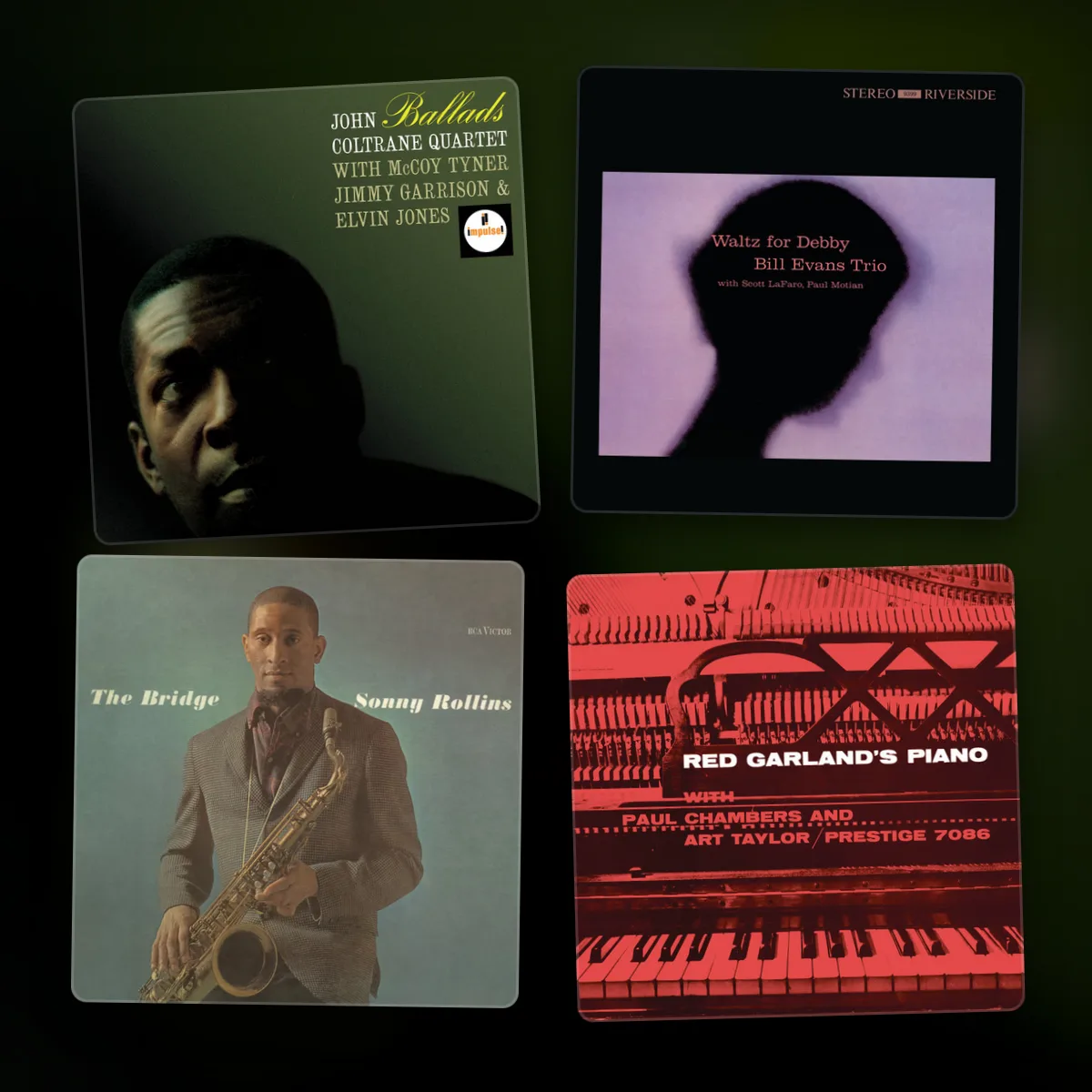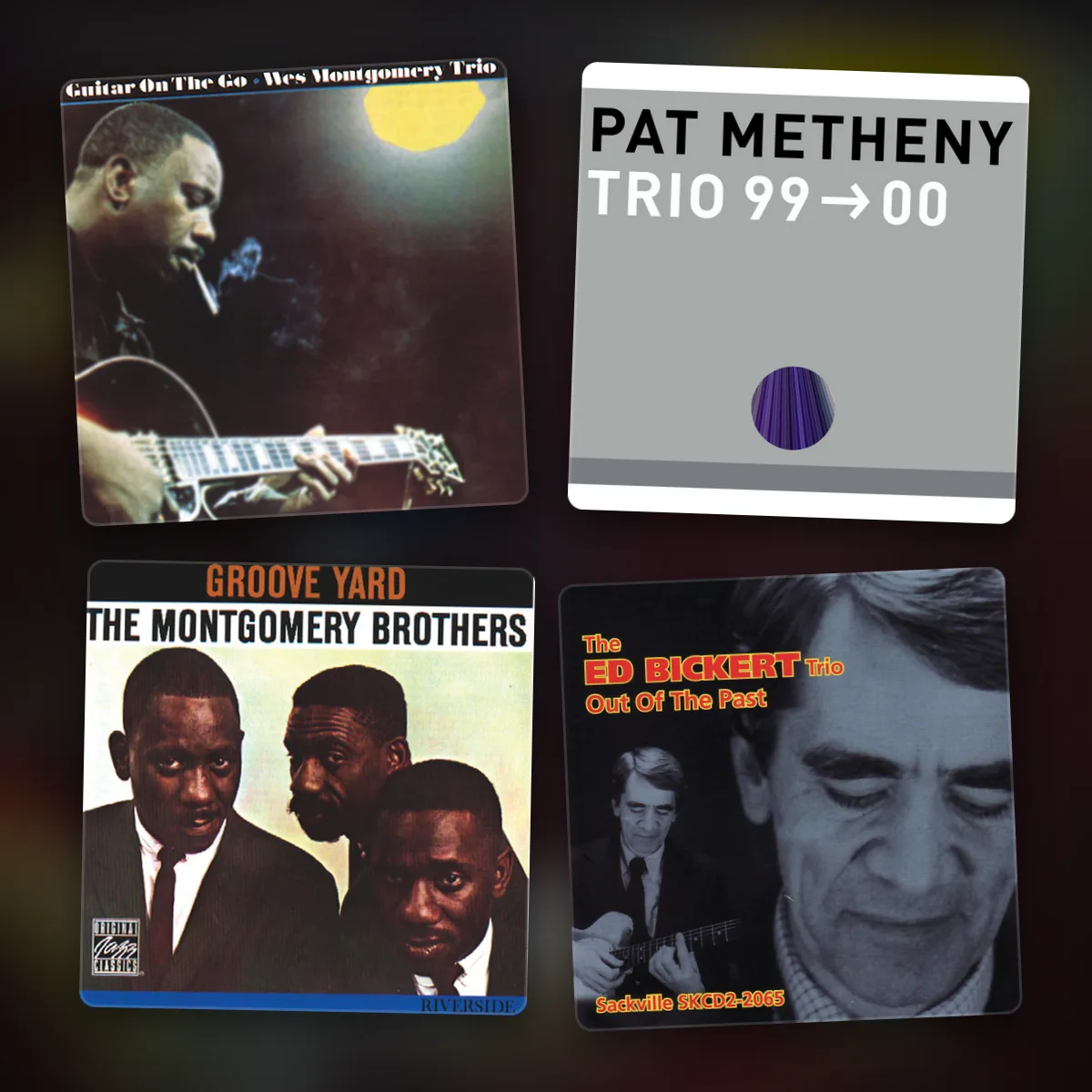
Description
Warm, clean-toned guitar lines move over plucked bass and softly brushed drums, often with the intimate feel of a small jazz ensemble. The name comes from Every Noise at Once and a Spotify playlist, with scarcely any published description. The music is instrumental and frequently relaxed or contemplative, although some performances move at a brisk swing.
The guitar often alternates fluid single-note melodies with fuller chord voicings and arpeggios. Bass can walk steadily beneath it or leave more space between notes, while brushes add a soft rustle or a lively swing to the drum part. Recordings tend to sound close and natural, with the lead instrument prominent and small details of the performance left audible.
The music sits close to jazz, bebop, hard bop and cool jazz: chromatic runs and extended chords give the melodies harmonic detail, while the playing can range from mellow ballads to quick, improvisatory passages. The repertoire includes familiar standards such as “All The Things You Are” and “When Sunny Gets Blue” alongside original-sounding titles such as “Carrot Cake” and “Night Sky.”
Based on: Every Noise at Once, Spotify's genre tags and playlist
Build the trio
Start with clean-toned electric guitar, plucked upright bass and an acoustic drum kit. Keep the guitar clear and prominent, and use a warm, natural recording sound that lets the instruments breathe.
Shape the harmony and melody
Draw on jazz and cool jazz for extended chords and restrained, lyrical phrasing. Explore bebop and hard bop through chromatic passing notes, flowing single-note runs and blues-tinged melodic ideas. Alternate improvised lines with chord-melody voicings or arpeggios.
Find the pulse
Try a slow, spacious ballad or a brisk swing. Let the bass walk when the arrangement needs momentum, or play more sparsely for a reflective mood. Use brushes for soft textures and responsive accents, leaving room for the guitar phrases to lead.

Top albums
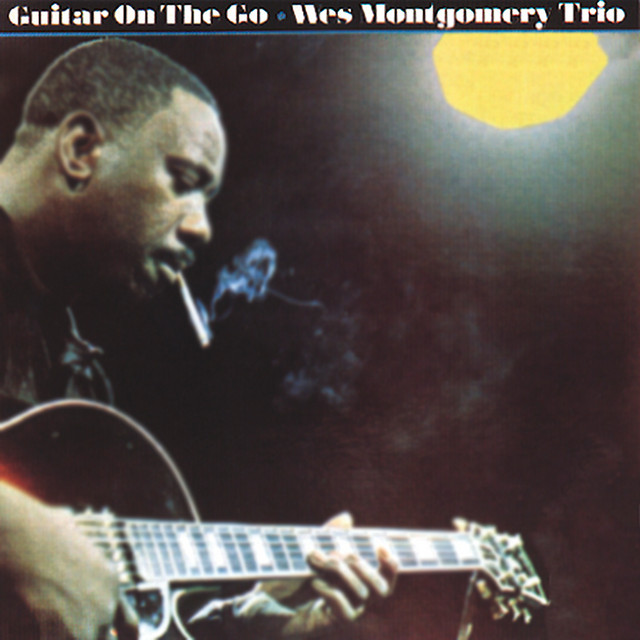

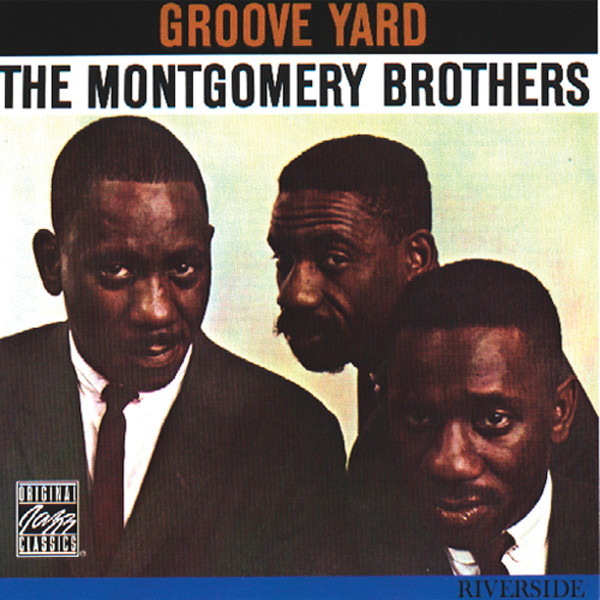



Best playlists


Influenced by


Other similar genres
Genres sharing the most artists with Jazz Guitar Trio