Description
Josei rap appears in Every Noise at Once, a map of genres identified by Spotify, and in the playlist “The Sound of Josei Rap” from The Sounds of Spotify; little is written about it. Josei means “woman” in Japanese.
The music is often upbeat and confident, driven by bouncy programmed drums and deep bass. Punchy kicks, crisp snares or claps, and quick hi-hats support synthesizer motifs, warm keyboard chords, and occasional horn accents. Tempos range from laid-back, head-nodding grooves to faster dance-oriented rhythms, sometimes with a half-time feel. The polished mixes tend to put the voice prominently forward, with layered backing vocals, ad-libs, and chants adding energy.
Rap and melodic rhythmic delivery are central, though some tracks feature singing instead. Vocals are often in a high or mid-high register, and pitch correction can be part of the sound. Japanese is prominent, frequently mixed with English words and phrases. The music ranges from relaxed boom-bap and chill-hop grooves to brisk pop-rap, with some songs drawing on soulful or jazz-inflected chords. Its artists are also associated with j-rap and j-pop, reflecting a meeting of hip-hop beats and contemporary pop production.
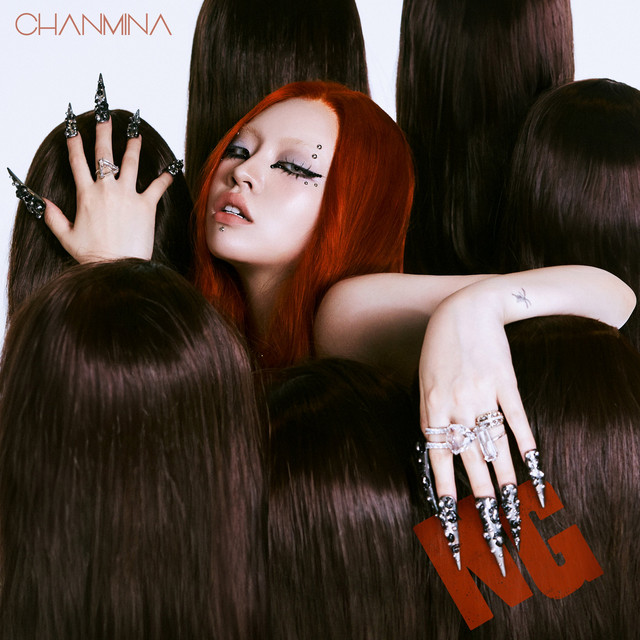
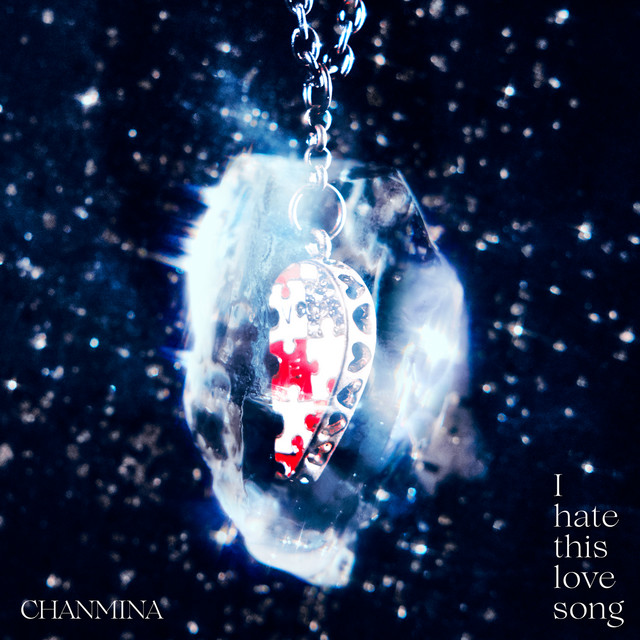
The playlist includes Reichi’s “Excuse boy,” MFS’s “BOW,” chelmico’s “Easy Breezy,” and CHANMINA’s “B級.” Its track releases run from 1992 to 2024; albums associated with the genre include CHANMINA’s “Never Grow Up” and Awich’s “Queendom,” with releases listed through 2026.
Based on: Every Noise at Once, Spotify's genre tags and playlist
History
The name appears in Every Noise at Once and in The Sounds of Spotify’s playlist The Sound of Josei Rap. The playlist’s tracks were released from 1992 to 2024, while albums associated with the genre include releases from 2017 to 2026.
Beat and bass
Build a steady, bouncy groove with programmed kick drums, crisp snares or claps, and active hi-hats. Use a deep synth, electric, or sub-bass line; try either a laid-back head-nodding pulse or a faster beat with a half-time feel.
Vocals and arrangement
Put rhythmic rap or melodic rap at the front of the mix. Add a catchy sung hook, doubled lines, backing voices, or shouted ad-libs. Japanese and English phrases can sit together, while selective pitch correction offers another vocal color.
Harmony and production
Draw on hip hop and j-rap for the beat-led foundation, and j-pop for bright hooks and polished production. Loop a minor or modal figure, or use soulful, jazz-inflected keyboard chords. Add bell-like synth motifs, bright stabs, or horn accents, keeping the mix clean and punchy.

Top albums





Best playlists

Influenced by


Other similar genres
Genres sharing the most artists with Josei Rap