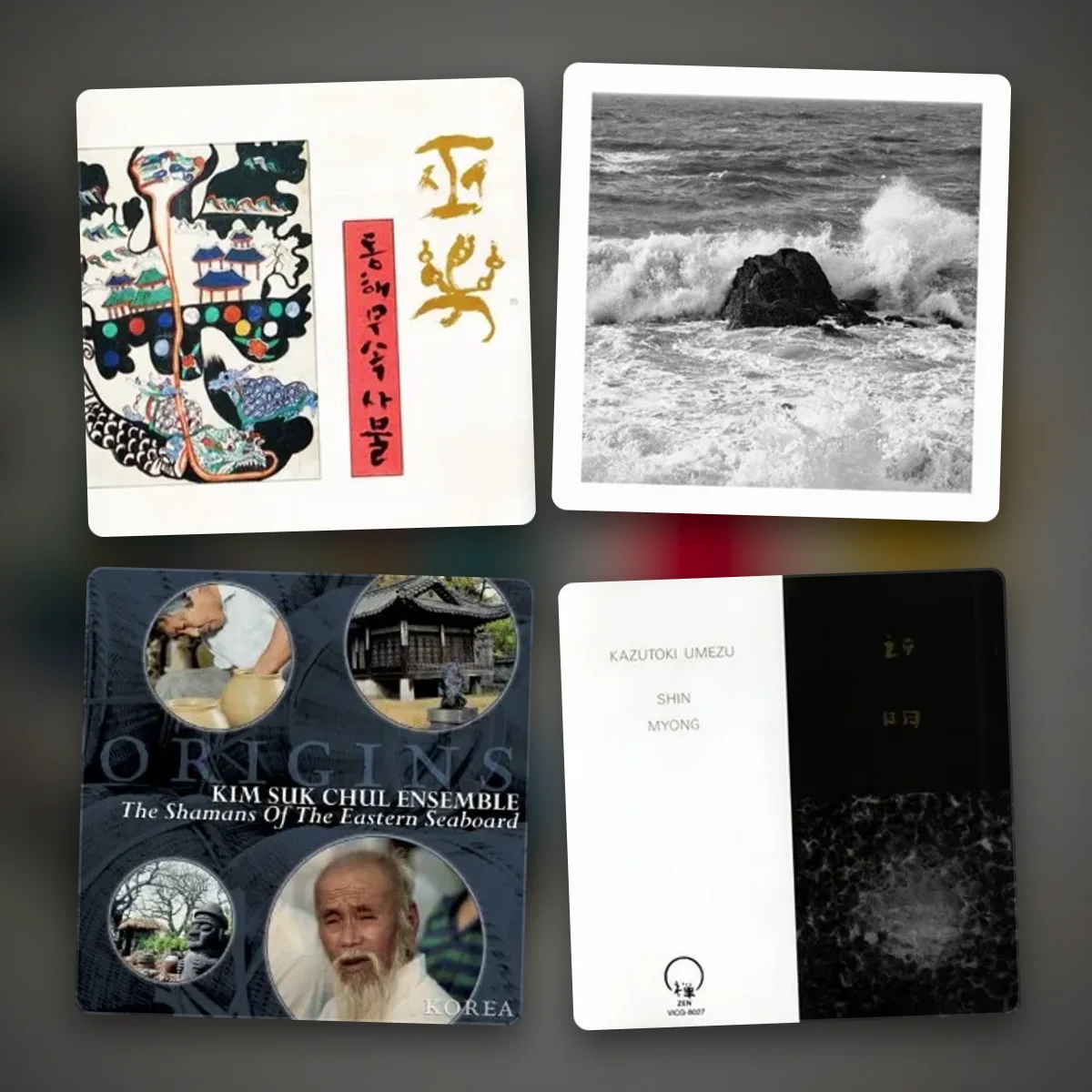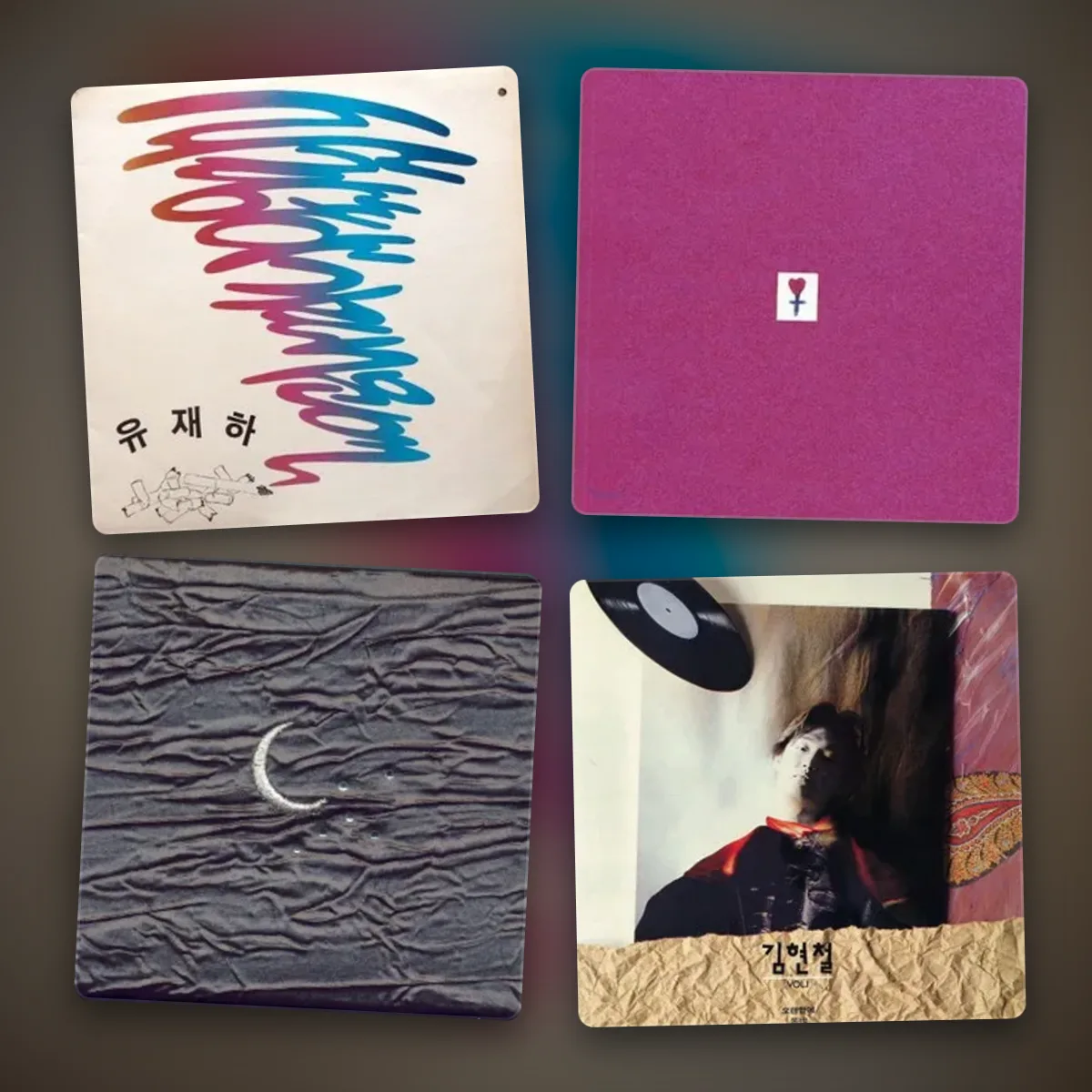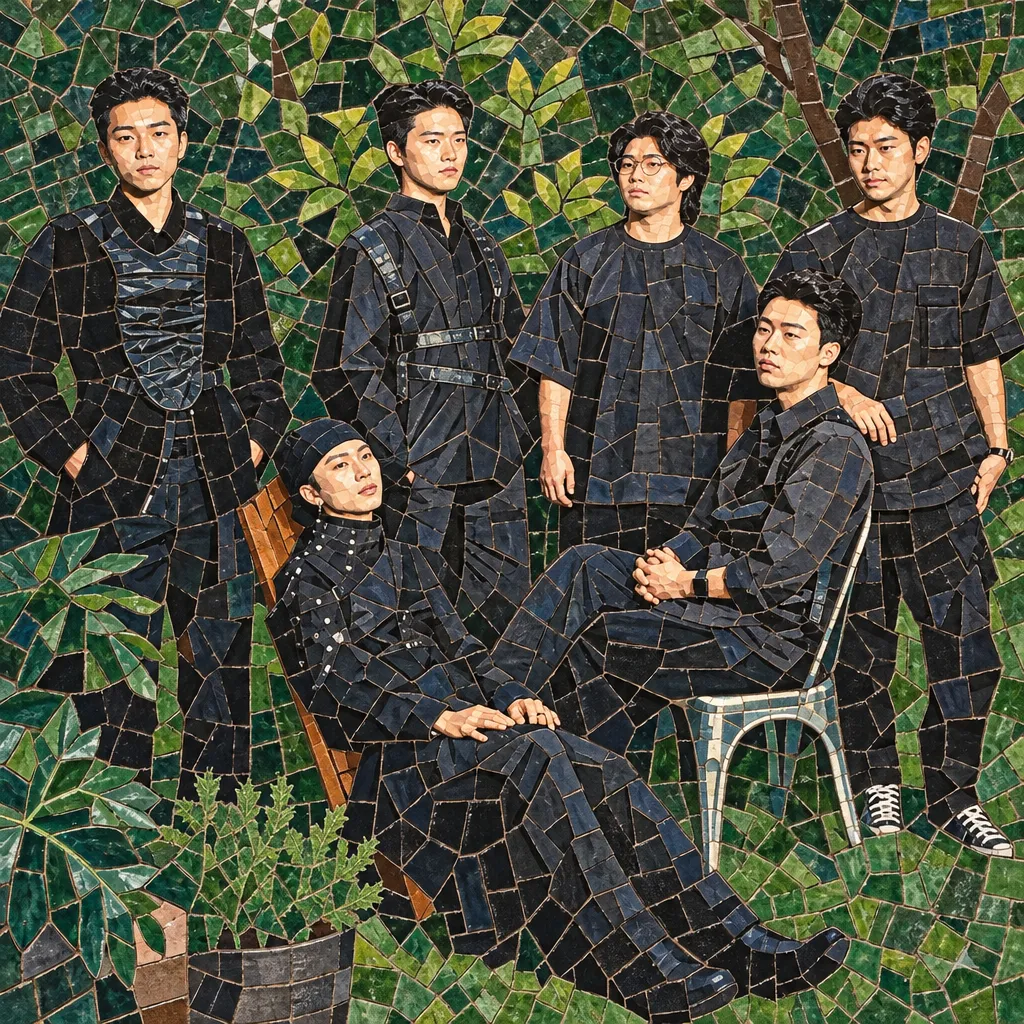
Description
Joseon pop brings Korean traditional music, or gugak, into a pop setting. Its sound combines traditional vocal approaches with contemporary melodies and rhythms, drawing on styles such as K-pop, R&B and hip-hop. Pansori, a Korean vocal storytelling tradition, is a particular point of reference.
The style is intended for a broad audience rather than as a strict preservation of traditional forms. Its lyrics can use familiar, accessible language, while its pop-oriented rhythms distinguish it from older forms of gugak. How to classify the result is contested: Kim argues that fusion gugak uses Western pop rhythms and is not really gugak, while sEODo describes his band as a pop act rather than a fusion gugak band.
Based on: koreaherald.com, koreatimes.co.kr, korea.net
More on: Every Noise at Once
History
Roots and name
The name Joseon pop refers to the Joseon era. The style emerged in South Korea against a longer history of experiments combining gugak with other music. Its approach places Korean traditional music, particularly pansori, in dialogue with contemporary pop songwriting.
A pop identity
The seodo band has been described as a pioneer of Joseon pop. Its vocalist, sEODo, has presented the music as rooted in pansori but has resisted calling the band a fusion gugak act, emphasizing its identity as a pop band instead. He has said that the band tries to avoid rhythms he associates with the conventions of fusion gugak.
Debate over classification
The relationship between this music and traditional gugak remains a subject of debate. Kim regards the Western pop rhythms of fusion gugak as a reason not to classify it as gugak, while also seeing value in its ability to bring gugak to a wider public. Separately, sEODo's preference for a pop-band label reflects his band's own approach to classification.
Begin with voice and melody
Use a traditional Korean vocal approach as a starting point: Joseon pop is especially associated with pansori-style singing set against contemporary melodies. Shape a clear vocal line that can carry both expressive inflections and a memorable pop melody. Write lyrics in direct, familiar language if you want to follow the accessible approach described by its practitioners.
Build a contemporary setting
Set the vocal against pop-oriented rhythms and melodies rather than treating a traditional form as a fixed template. You could draw on K-pop, R&B or hip-hop when choosing a groove and arranging the accompaniment. Let the traditional vocal character remain audible within the modern setting.
Refine the balance
Try different relationships between the vocal and the groove: a sparse accompaniment can leave room for vocal expression, while a fuller pop arrangement can emphasize the melody. Rather than relying automatically on conventional fusion-gugak rhythms, experiment with rhythmic ideas that suit the song and its pop identity.

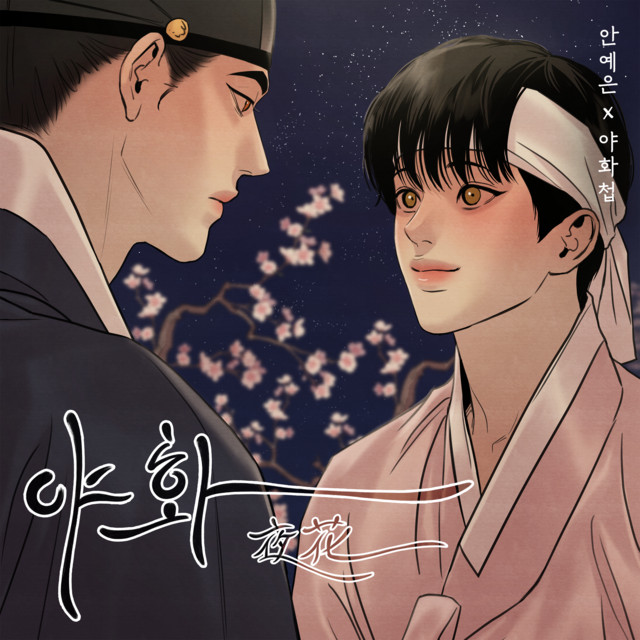
Top albums



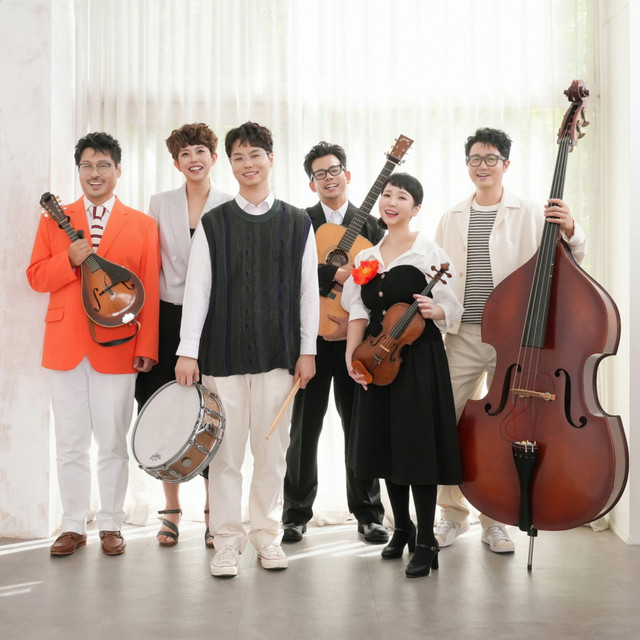
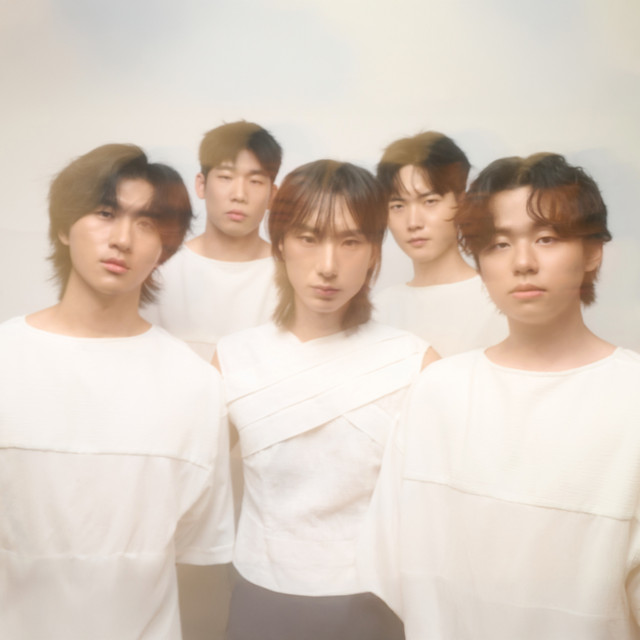
Best playlists


Influenced by




Other similar genres
Genres sharing the most artists with Joseon Pop