Description
Kawaii EDM appears on Every Noise at Once, a map of genres Spotify identified, and in The Sounds of Spotify’s playlist “The Sound of Kawaii EDM”; little is written about it.
The music tends to be bright, energetic electronic dance music, built from punchy kicks, crisp snares or claps, synth bass and vivid lead melodies. Some tracks drive forward on four-on-the-floor beats, while others use fast breakbeats or syncopated half-time grooves. Piano chords and arpeggios sit alongside shimmering, layered synths; builds often use snare rolls and noise sweeps. The production is typically loud and polished, with synths and bass pumping against the kick drum.
Vocals range from high-register Japanese singing to chopped, pitch-shifted phrases used as rhythmic and melodic textures; some tracks are instrumental. The mood is often euphoric and playful, with catchy melodies and fast or very fast rhythms.
Its artists are also associated with future bass, with its woozy synths, melodic chords and syncopated percussion, and happy hardcore, with its uplifting piano and fast dance beats. The playlist spans those styles and electronic pop, rather than keeping to one drum pattern or speed. Titles appear in both Japanese and English, and the releases listed range from 2013 to 2024.
Based on: Every Noise at Once, Spotify's genre tags and playlist
History
The name appears on Every Noise at Once and in The Sounds of Spotify’s playlist The Sound of Kawaii EDM. Releases in the playlist range from 2013 to 2024.
Build the rhythm
Start with electronic drums: use a punchy kick and crisp snare or clap. Choose a fast four-on-the-floor pulse, a syncopated half-time groove, or a very fast chopped breakbeat. Add snare rolls and noise sweeps to lead into transitions.
Write the hooks
Layer bright lead synths, arpeggios and piano chords over a strong synth-bass part. For a future bass approach, use rich chords, syncopated percussion and bass that pumps against the kick. For a happy hardcore direction, pair an uplifting piano riff with a very fast dance beat.
Add voices and polish
Try high-register melodic singing or turn vocal phrases into pitch-shifted, rhythmic chops. Vocaloid and j-pop offer useful reference points for synthetic voices and melodic pop writing. Finish with wide, compressed production, sidechain movement and occasional stutter edits.

How To Make Kawaii Future Bass - FL Studio 20 Tutorial
Ultrasonic

how to make kawaii / J pop #flstudio
Geam

Let’s make a kawaii future bass build up #flstudio #musicproducer #music #kawaiifuturebass #edm #fyp
Lemonink
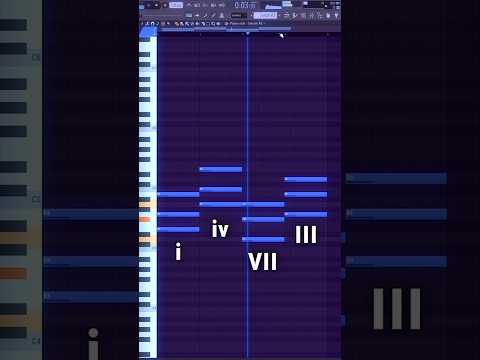
how to make kawaii melodies #flstudio
Geam