Description
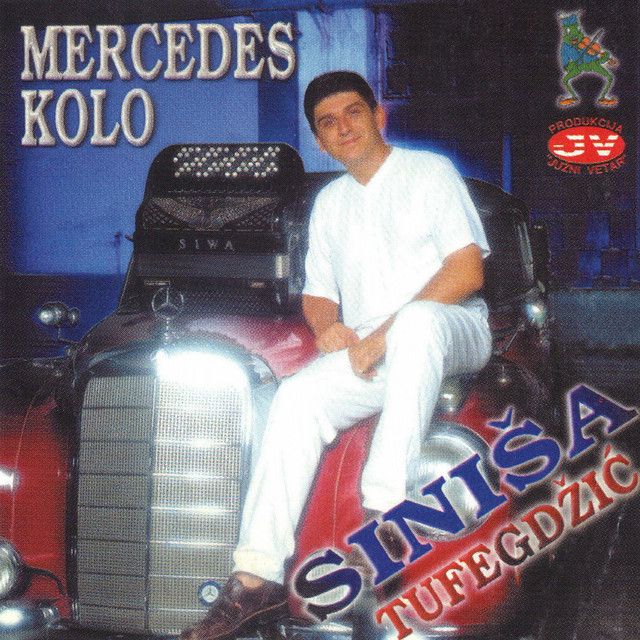
Kolo is a South Slavic group dance and the name associated with its dance music. The music is generally fast-paced, and accordion accompanies a common form known as narodno kolo or drmeš.
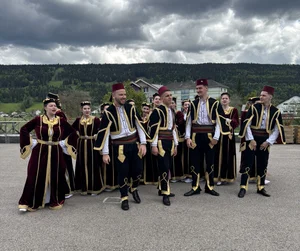
Dancers join hands or hold one another at the waist, forming a circle, a chain or parallel lines. The movement is concentrated below the waist; experienced dancers may add ornaments such as syncopated steps. Regional varieties differ, and kolo is performed at weddings and other social, cultural and religious ceremonies.
History
South Slavic traditions
Kolo is found under that name in Bosnia and Herzegovina, Croatia and Serbia. Its regional varieties have distinct dances and costumes, and it remains associated with communal occasions as well as cultural and religious ceremonies.
Recognition and concert music
Kolo is inscribed on UNESCO's Intangible Cultural Heritage list for Serbia. Its dance form also appears in concert music: Antonín Dvořák used the Serbian kolo for the seventh dance of his Slavonic Dances, opus 72.
Begin with the dance
Write for a fast-moving group dance. Consider how the pulse will support dancers moving together in a circle, chain or lines, with most of their movement below the waist. Leave room for dancers to add their own ornamental or syncopated steps rather than assuming every variation must be played by the musicians.
Choose an arrangement
Accordion is a documented accompaniment for narodno kolo or drmeš and is a useful starting point. As a practical suggestion drawn from folk dance music, you could build a clear, recurring melodic phrase over a steady accompaniment, then vary the phrase while keeping the pulse easy for dancers to follow.

Kolo Dance Lesson
SimplySlavic

Ušest “Kolo” - Balkan Folkdance Challenge Day 5
Balkan Folkdance for Beginners with Hanna Francis