Description
Reverberating guitars, electric bass and breathy voices give Korean shoegaze a dreamy, often melancholic sound, ranging from quiet, spacious songs to driving, distorted rock. The term is used by Every Noise at Once, Spotify genre labels and the playlist “The Sound of Korean Shoegaze,” but has scant published description. It refers to Korean artists within shoegaze rather than a separate musical style.
The guitars may pick out clean arpeggios or merge into a thick wash of fuzz and overdrive. Synth or organ-like layers add depth, while acoustic drums move between gentle, deliberate grooves and propulsive rock beats. Vocals can be intimate and whispered or float above the instruments in sustained lines; Korean and English are both used. Reverb and delay lend the music its breadth, whether the mix is open and polished or dense enough for voices and guitars to blur together.
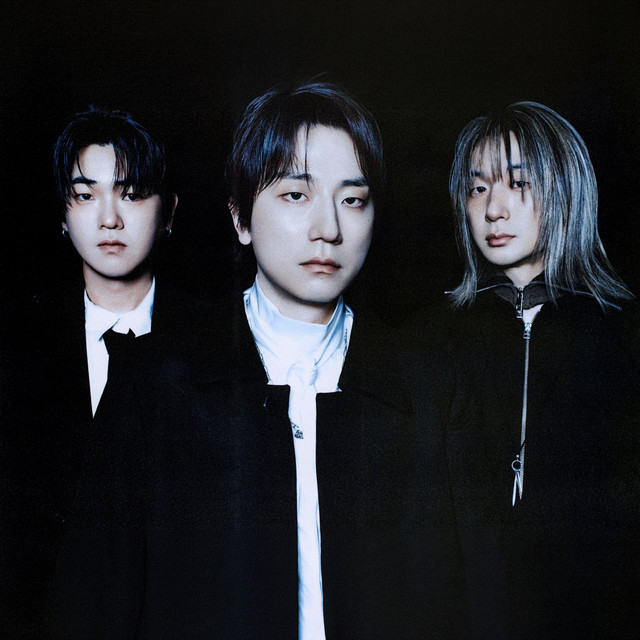
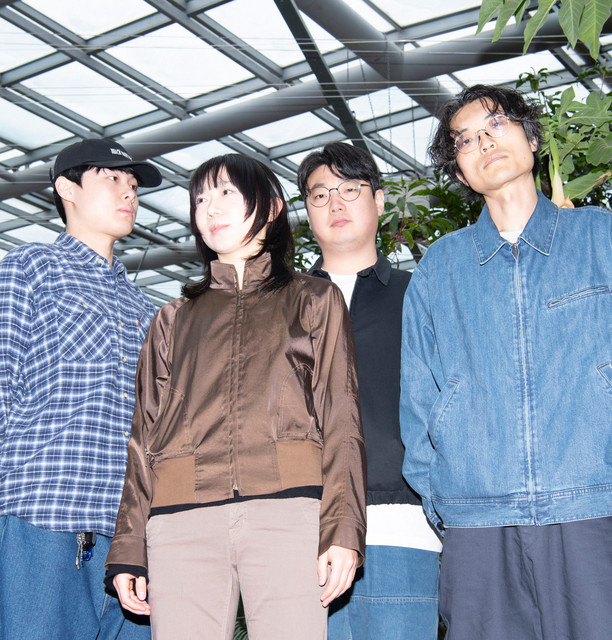
Its artists also connect with dream pop and slowcore: the former shares its hazy guitar textures, while the latter is close to its slower, more subdued songs. Artists include Parannoul, THORNAPPLE, Say Sue Me, BrokenTeeth and Della Zyr.
Based on: Every Noise at Once, Spotify's genre tags and playlist
Build the texture
Start with electric guitar and bass. Use reverb and delay to give clean arpeggios or sustained chords a wide space; for a denser shoegaze sound, layer distorted or fuzzed guitars until their edges blend. Add a soft synth or organ layer beneath them.
Shape the song
Try a slow, restrained drum groove in the spirit of slowcore, or a faster, steady rock beat for a more driving arrangement. Repeating minor-key chords can support the melancholic atmosphere.
Place the voice
Sing softly and breathily, using sustained notes or floating melodic phrases. For a dream pop-like mix, leave the voice clear but surrounded by reverb; for a heavier shoegaze texture, let it recede into the guitars.

Top albums



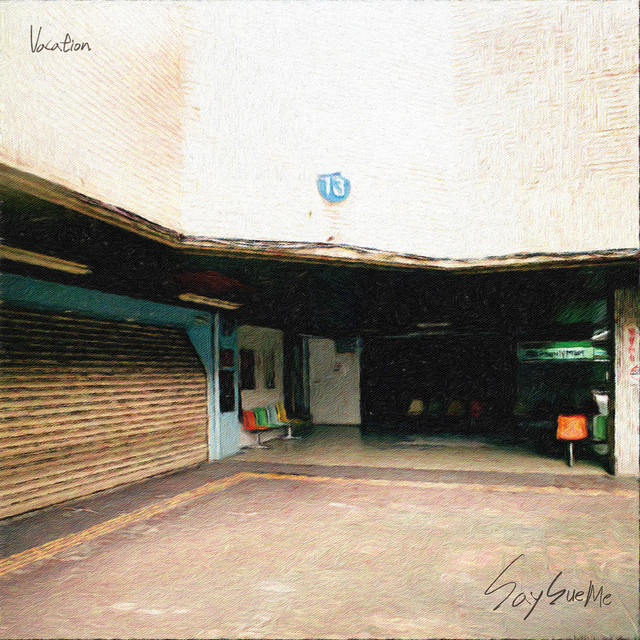



Best playlists


Influenced by


Other similar genres
Genres sharing the most artists with Korean Shoegaze