La Beat Scene
Description
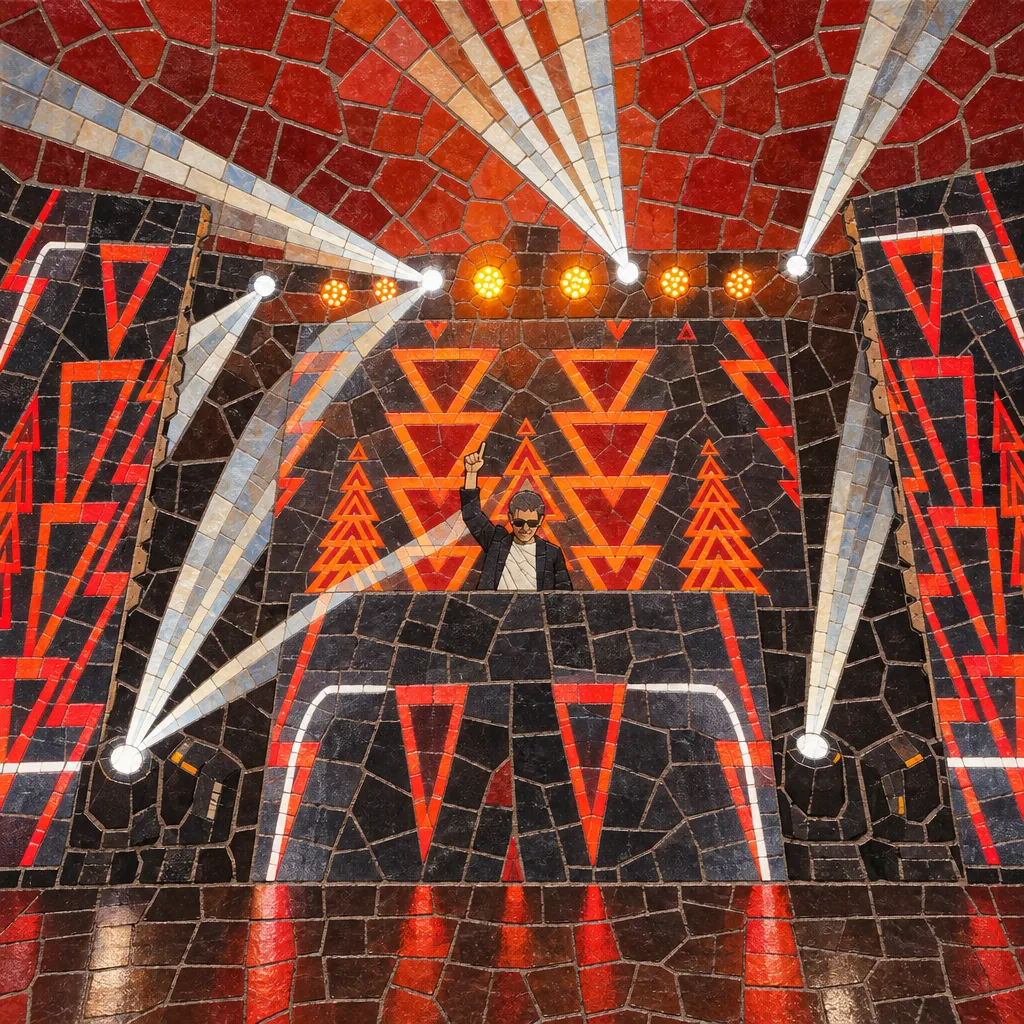
The LA beat scene was a Los Angeles community of producers, DJs and hip-hop artists, rather than a single musical style. Its meeting places included radio, record shops and club nights, where electronic experimentation met underground hip-hop.
Its artists worked across instrumental hip hop, abstract beats and wonky, among other approaches. Their music could combine irregular, deliberately de-quantized drums with sampled textures, deep sub-bass and electronic production techniques. Some favored a hazy, tape-hiss-friendly sound; others moved toward jazz and fusion. Collaboration and exchange between different musical backgrounds were central to the scene.
Based on: Rate Your Music

Beat Culture & the SP-404: Dibia$e, Flying Lotus and Ras G
RolandChannel

Ras G - Looking for the Perfect Beat (scene preview)
Alpha Pup

Novation // Evolution of the Beat Scene: Astronautica & Daddy Kev
Novation

DO WHAT YOU LOVE - LA Beat scene doc | 360 VR | Global Media Makers
Film Independent
History
Early networks
The scene took shape in Los Angeles during the early 2000s, before it had a single defining venue. Beatmakers and DJs were connected with Plug Research and Dublab, while emcees were associated with Project Blowed and the city's abstract hip-hop community. DJ Kutmah's Sketchbook events began in 2003 and attracted artists including Dibia$e and Georgia Anne Muldrow.
Low End Theory and a wider sound
In 2006, Daddy Kev established Low End Theory, a weekly night at The Airliner that gave left-field DJs a platform. Its regulars included Flying Lotus, Daedelus, Nobody, The Gaslamp Killer and Ras G. The night became so closely identified with the scene that some accounts treat the two as synonymous.
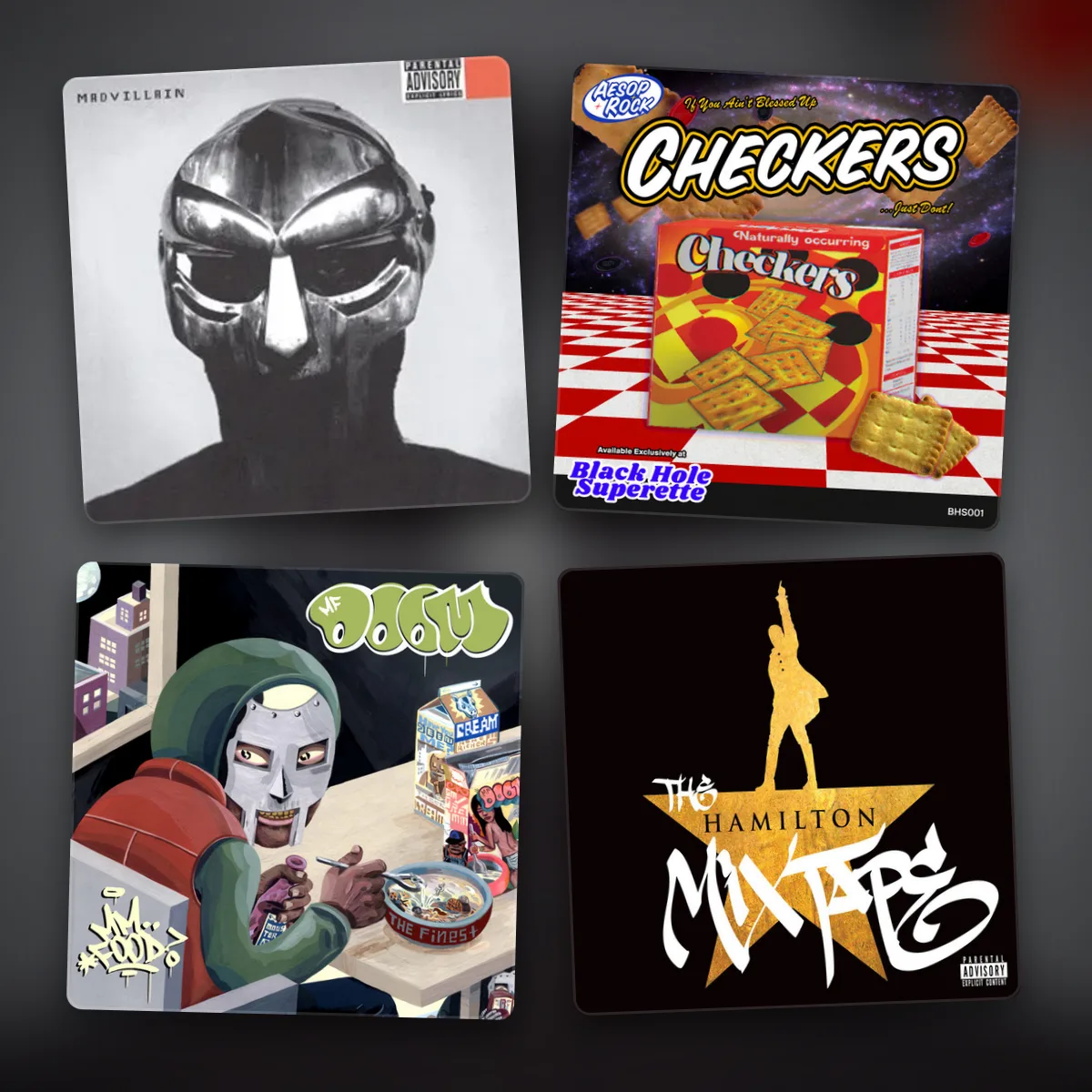
Producers drew on the irregular drum programming associated with Madlib and J Dilla. Exchanges with dubstep also fed into wonky, heard on releases including Flying Lotus' Los Angeles and Cosmogramma, Shlohmo's Bad Vibes and Baths' Cerulean.
Evolution and legacy
Low End Theory ended in 2018, but the scene's musical connections extended beyond the club. Flying Lotus' Brainfeeder label reflected those connections while also moving into jazz and jazz fusion. The scene helped expand abstract and instrumental hip hop and contributed to the development of glitch hop and wonky.
Build an irregular beat
Start with a hip-hop drum pattern, then loosen its timing: move selected hits away from a rigid grid and listen for a rolling, uneven groove. Avoid making every beat equally displaced; contrast between steadier and less predictable hits can keep the rhythm coherent.
Shape the texture
Try sampled or sample-like sounds alongside electronic layers. For a lo-fi direction, leave some hiss or roughness audible rather than polishing every texture. For a sound drawing on the scene's dubstep exchanges, add a deep sub-bass part and experiment with sidechain compression so the bass and drums make room for each other.
Arrange through contrast
As a practical approach borrowed from instrumental hip hop, build a short motif and vary its drum placement, bass and surrounding textures as the track develops. You could also bring in jazz-influenced harmony or instrumental passages, treating them as one possible direction rather than a requirement.

Flying Lotus inspired LA Beat Tutorial
RiskyDub

Maschine MK3 Beat Making: Drift Theory (LA Beat Scene Sounds!)
Low Heat Beats

Top albums
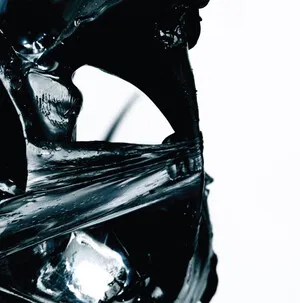

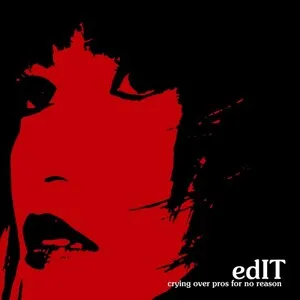
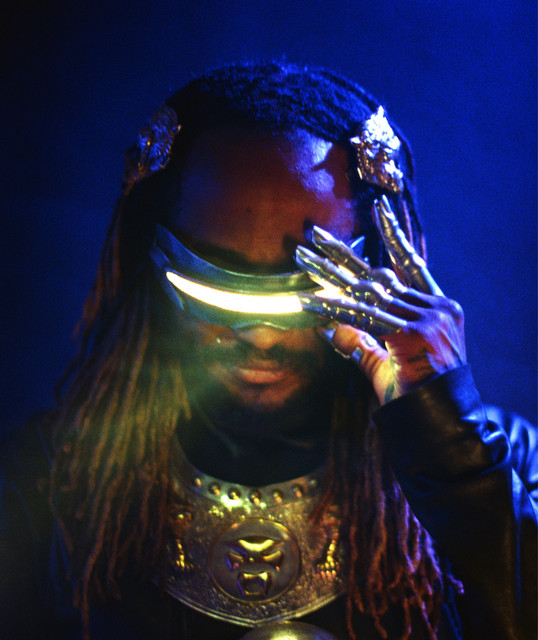
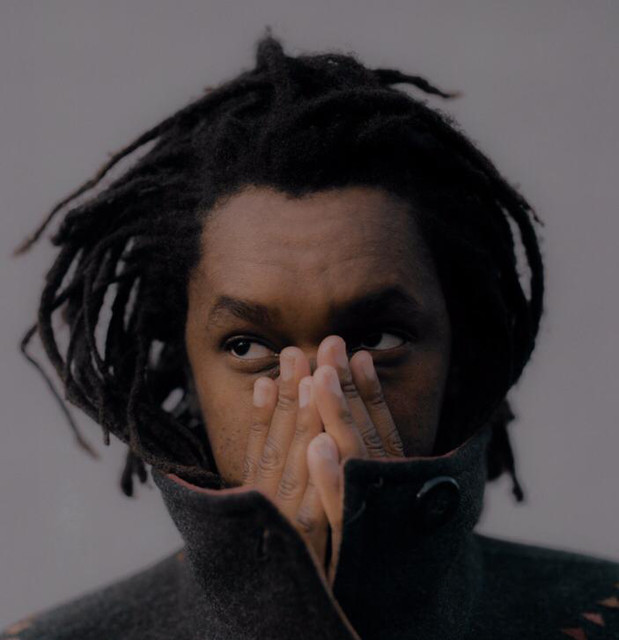
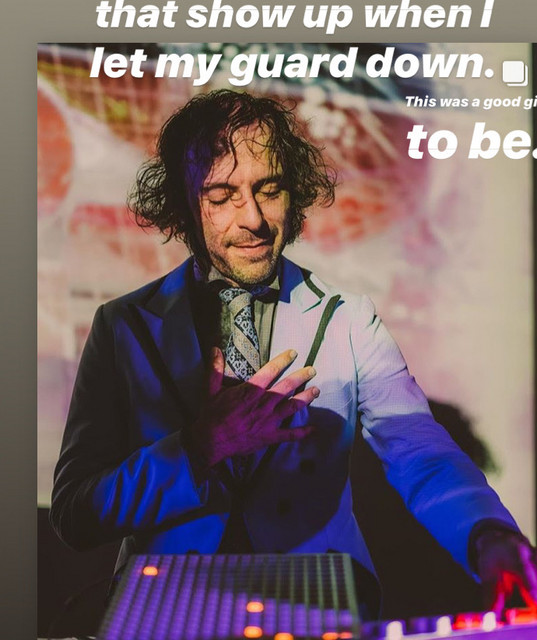
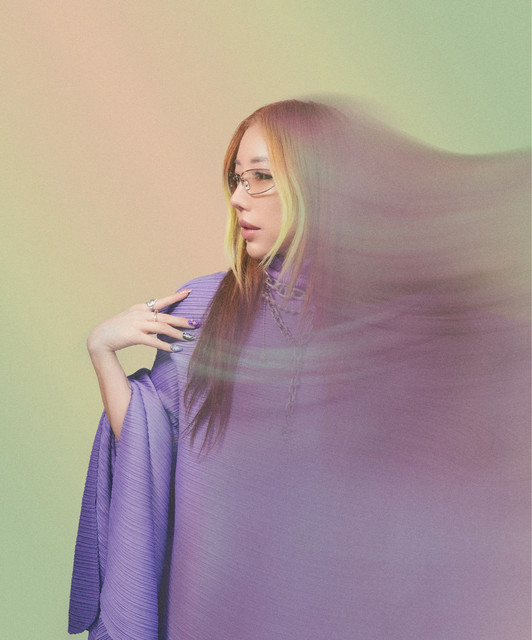
Best playlists
Influenced by



Has influenced



Other similar genres
Genres sharing the most artists with La Beat Scene