Description
Unsettling drones, dissonant instrumental gestures and bursts of nonverbal voice give much of laboratorio an exploratory, sometimes eerie sound. The term comes from Spotify genre labels, the Every Noise at Once map and The Sounds of Spotify’s playlist, with scant published description. The music ranges from avant-garde vocal and chamber works to electronic soundscapes and song-based trip-hop.
Many pieces unfold without a steady pulse or conventional drum groove. Synthesized and electronically manipulated sounds sit alongside bowed, plucked and other acoustic instruments; low drones, sliding pitches and sharp interruptions can take the place of familiar chord progressions. Some voices are treated as sounds rather than carriers of discernible words. Spacious reverberation and wide stereo sound can heighten the contrast between quiet passages and sudden, forceful outbursts.
Its artists are also associated with avant-garde music, electroacoustic music, musique concrète and contemporary classical composition. These connections bring together instrumental writing and the transformation of recorded sound, often favoring texture and dissonance over a regular beat. The playlist includes both instrumental and vocal music, with titles in several languages.
Based on: Every Noise at Once, Spotify's genre tags and playlist
Build a sound palette
Combine acoustic instruments with synthesized or processed sounds. Try bowed or plucked tones against a low electronic drone, leaving room for each sound to resonate. Musique concrète and electroacoustic music offer approaches to recording, transforming and arranging sounds as musical material.
Shape the piece
Take cues from avant-garde and contemporary classical music: work with dissonant clusters, sliding pitches and abrupt contrasts rather than relying on a repeating chord progression. Let events arrive irregularly, without a fixed drum groove, and use silence or sustained tones to create tension.
Use space and voice
Experiment with nonverbal vocal sounds alongside instruments and electronics. Reverb and stereo placement can give quiet textures a sense of depth, while sudden louder gestures can punctuate the piece.

Chrome music lab simple yet satisfying bass drop
Oof Bruh

Music Lab | Make Music, Learn Code
Code.org

Music Lab: Aloe Blacc
Code.org

Top albums
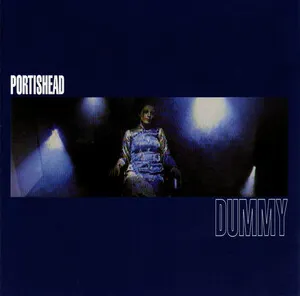
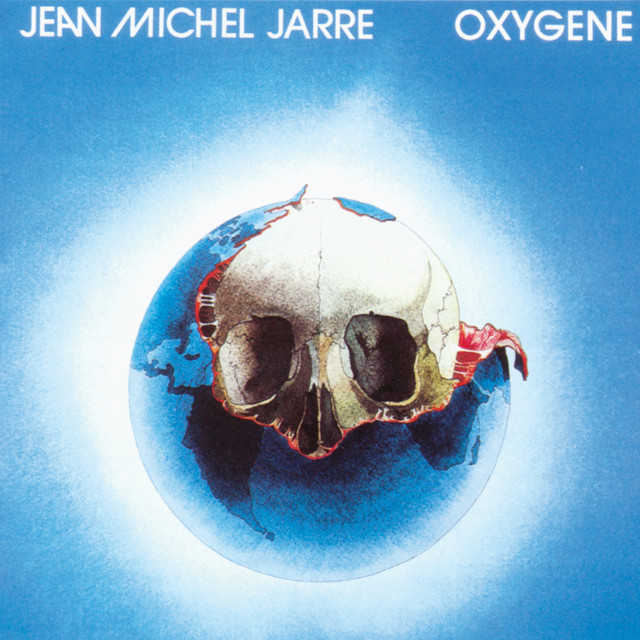
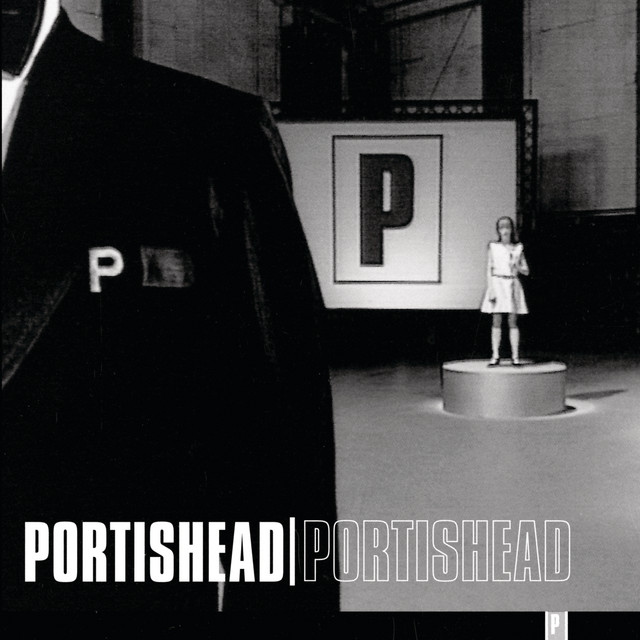
Best playlists
Laboratorio
Melodigging
The Sound of Laboratorio
Every Noise at Once
Laboratorio
Chosic

Laurent Garnier - Laboratoire Mix - One
Dennis Holierhoek

Laboratory - Dark Ambient Dystopian Music - Post Apocalyptic Sci Fi Ambient Meditation
Eternal Dystopia
Influenced by


Other similar genres
Genres sharing the most artists with Laboratorio