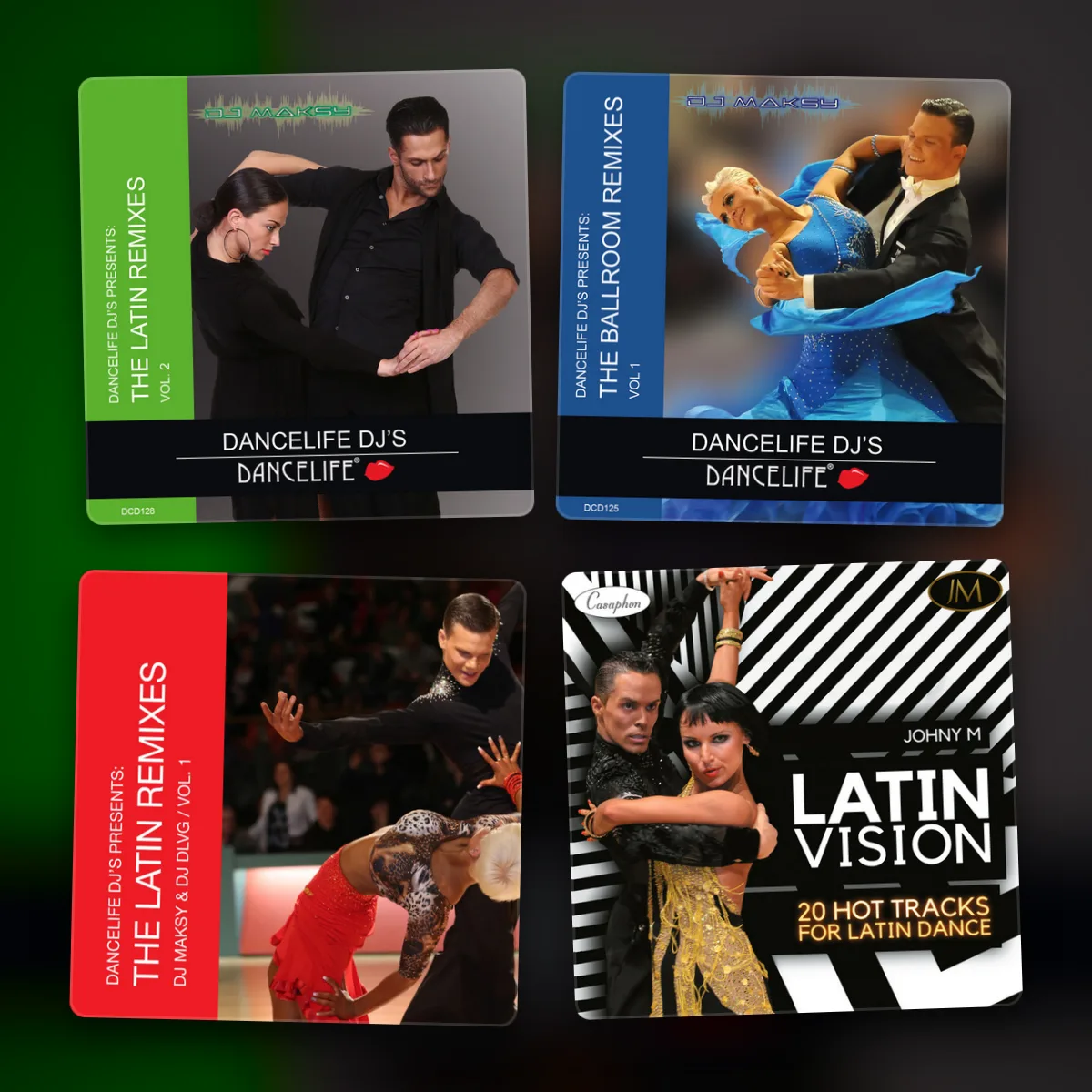
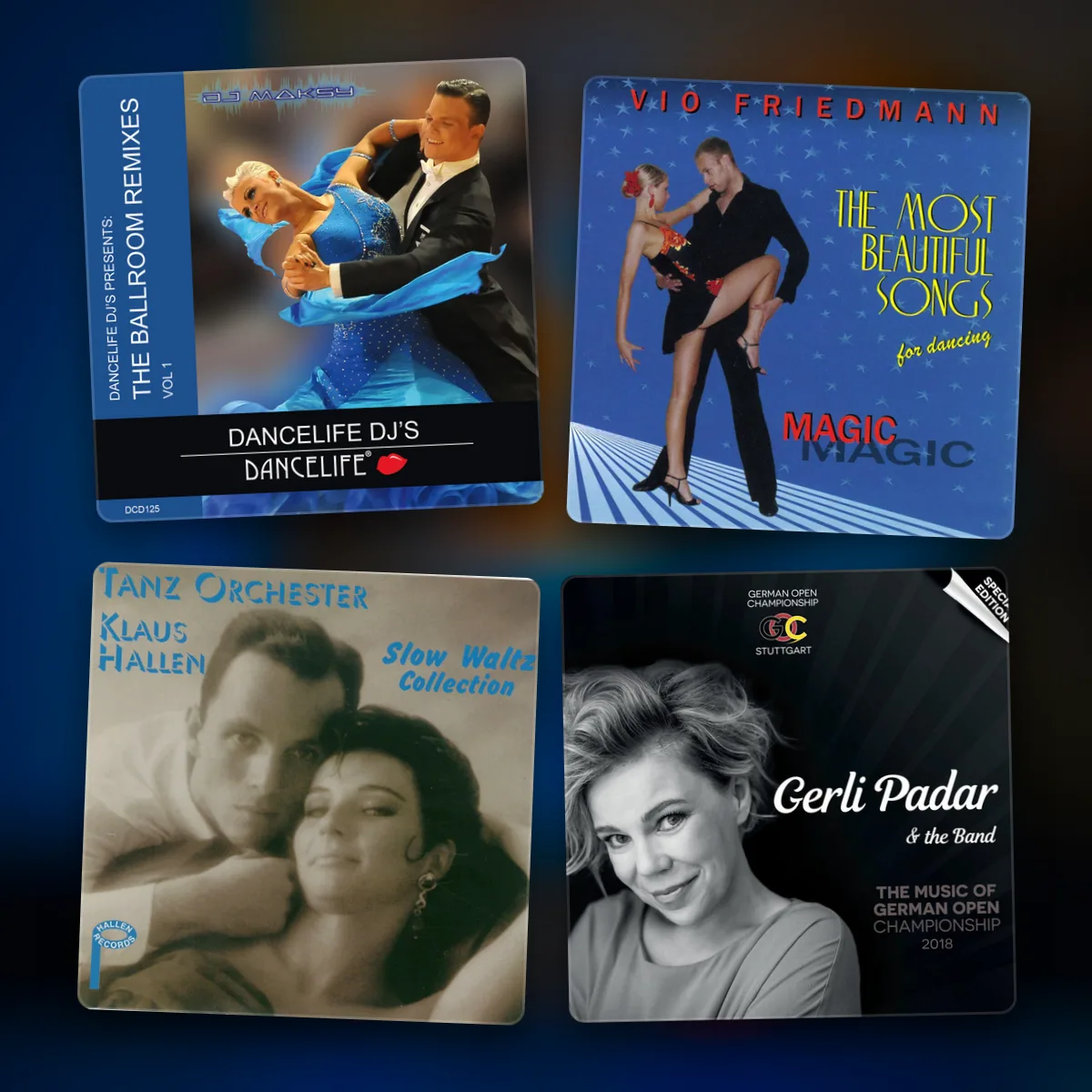
Description
Syncopated rhythms, punchy bass and energetic Spanish-language singing give much of Latin dance its festive, movement-focused sound. Spotify uses the term among its artist genre labels, though the term has attracted scant published discussion. The music ranges from electronic club tracks and reggaeton-inflected pop to salsa and ballroom-oriented dance music.
Many tracks ride a steady mid-tempo or fast pulse, with drum-machine kicks, claps and offbeat hi-hats or dembow rhythms. Deep synth bass and bright synthesizers give the productions a modern, full-bodied sound; rhythmic acoustic guitar, sometimes nylon-string, adds strummed chords or arpeggios. Brass riffs bring extra punch, while builds and electronic effects lead into transitions. Repeating minor-key chords often support catchy vocal hooks. Singers may switch between melodic lines and rhythmic chanting, with backing voices, harmonies or answering shouts.
Artists are also associated with salsa, bachata, samba, chachachá and merengue. Salsa brings together interlocking dance rhythms and percussion such as congas, timbales, bongos and güiro, while bachata is associated with romantic songs and arpeggiated melodies. The playlist also includes music arranged for dances such as tango, samba, rumba and chachachá. Spanish is prominent in the vocals and titles, which often evoke dancing, romance and a night out; English also turns up in titles and occasional vocal phrases.
Based on: Spotify's genre tags and playlist
Build the groove
Start with a steady, syncopated dance rhythm at a mid-tempo or fast pace. For a club-oriented track, program a firm kick, claps and offbeat hi-hats, or use a dembow pattern. Add a deep synth bass line that locks tightly to the drums.
Add melodic color
Use a short, repeating minor-key chord progression and a catchy vocal or instrumental hook. Layer rhythmic acoustic guitar, including nylon-string strums or arpeggios, with synth chords and occasional punchy brass riffs. For a salsa-inspired arrangement, explore the interplay of congas, timbales, bongos, güiro and bass; bachata offers a model for more romantic melodies and arpeggiated guitar.
Shape the performance
Write an energetic Spanish-language lead vocal, then add harmonies, backing shouts or call-and-response. Keep the mix clean and bass-forward, and use risers, filters or drum rolls to make transitions more dramatic.

Salsa tutorial
Bryann Sanchezz

Salsa Beginners 1 - Salsa Basic Step for the Absolute Beginner - Detailed explanation
Salsaventura

Try these 3 easy Salsa steps! Salsa Tutorial For Beginners
Ermes Dance

Zumba® Latin Easy-To-Follow Basic Steps Tutorial for Beginners
Zumba

Top albums
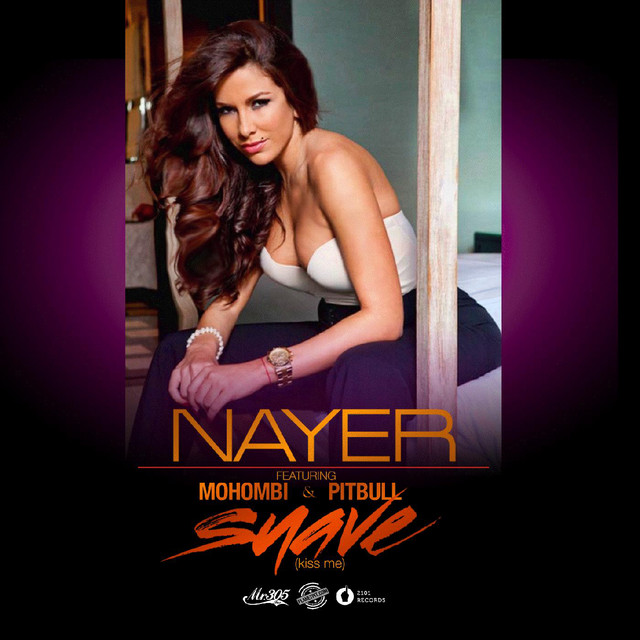
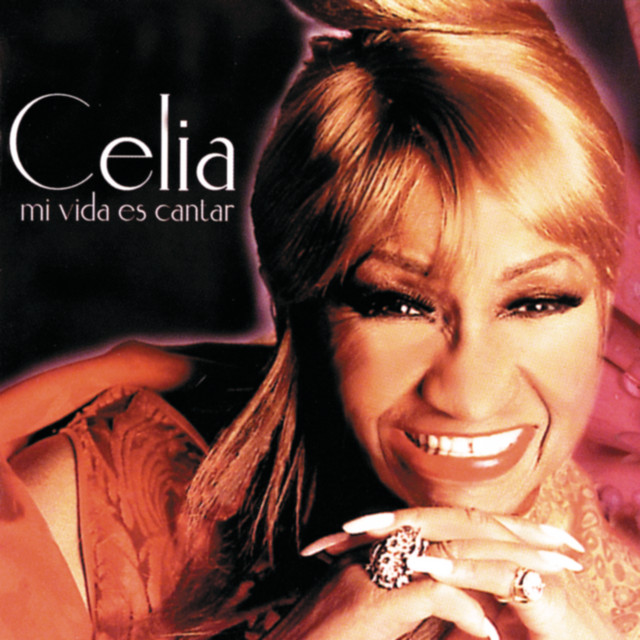
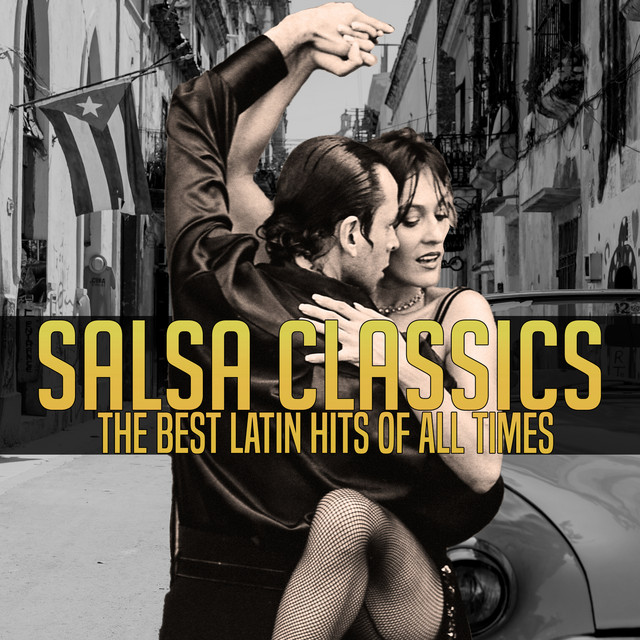


Best playlists

Influenced by


Other similar genres
Genres sharing the most artists with Latin Dance