Description
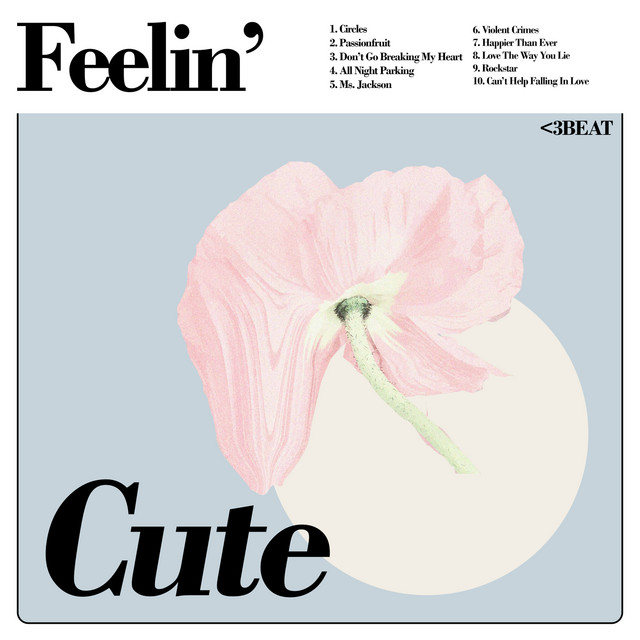
Lo-fi cover centers on slow, mellow instrumental grooves: soft kicks and crisp snare or rimshot backbeats sit over warm bass, with gently swung hi-hats and repeating chords. The name is mapped by Every Noise at Once and has a Sounds of Spotify playlist, though published commentary is scarce.
Clean electric guitar often carries the melody, using slides and vibrato over hazy keyboards or synth pads. Jazz-tinged chords and minor-key loops give the music a contemplative, sometimes nostalgic feel. Warm, softened production, vinyl crackle and reverb add atmosphere; faint wordless vocal textures occasionally surface, but the music is generally without a lead singer.
The style sits close to lo-fi, with its deliberately imperfect recording textures. Many track titles point to familiar pop, rock and R&B songs, including “Don’t Speak,” “Losing My Religion” and “Here Comes The Sun,” recast within this understated instrumental setting. Releases in the playlist are mostly from the early 2020s.
Based on: Every Noise at Once, Spotify's genre tags and playlist
Groove and harmony
Start with a slow, relaxed drum pattern: use a soft kick, a dry snare or rimshot on the backbeat, and lightly swung hi-hats. Add a warm bass line beneath a short, repeating chord progression. Seventh and ninth chords or a minor-key progression can give the loop a reflective color.
Melody and texture
Try a clean electric guitar melody with gentle slides and vibrato, supported by electric piano or a soft synth pad. Keep the arrangement largely instrumental and leave space between phrases.
Production
Draw on lo-fi production by softening the high end and adding restrained vinyl crackle. Use reverb to give the lead instrument space, while keeping the drums close and understated. For a cover, adapt a recognizable melody to the relaxed groove rather than crowding it with extra parts.