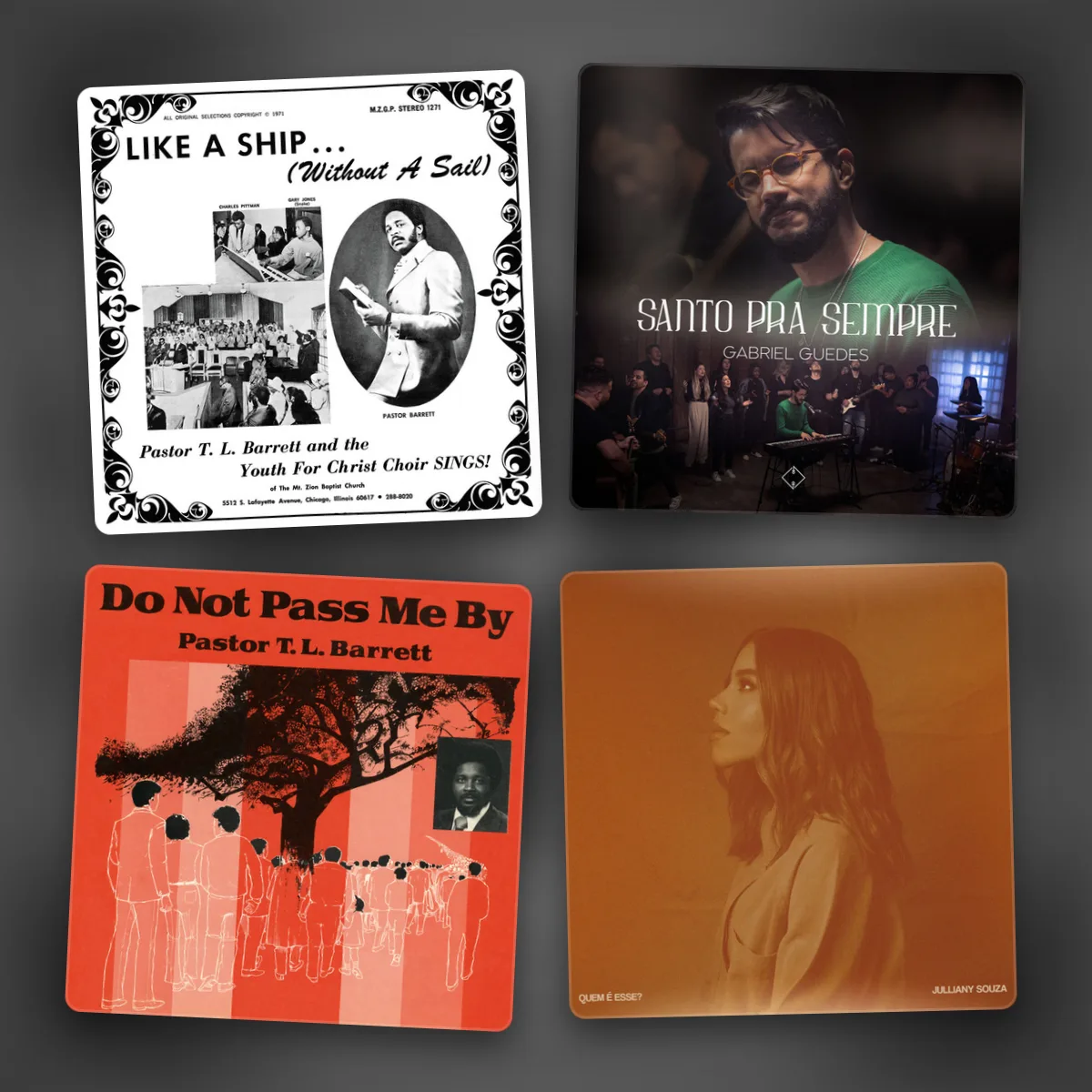
Description
Louange is Christian praise expressed through song and prayer, rather than a single fixed musical style. Its songs address or celebrate God and can emphasize a close, loving relationship between God and the worshipper.
The sound ranges from unaccompanied or four-part singing to piano, organ or larger-group accompaniment. In some churches, hymns and gospel are integrated into a liturgy; in others, communal singing occupies a substantial part of the service. Contemporary louange can also draw on styles such as Christian rock and hip-hop.
The words have prompted debate: psychologist Sarika Pilet argues that, in a collection of evangelical praise songs she studied, newer lyrics increasingly focused on the worshipper’s experience and requests rather than on God.
Based on: Wikipedia, biblidocs.com, lyoncapitale.fr, promesses.org
More on: Every Noise at Once
History
A practice of praise
Louange encompasses songs used to praise and worship God in different Christian churches. It can be heard in liturgical services, personal prayer and group prayer, with approaches ranging from communal singing to more formally organized musical settings.
Charismatic and contemporary developments
From the 1960s, the charismatic renewal helped expand prayer meetings centered on musical praise. In several evangelical denominations, practices such as clapping and raising hands became part of worship. During the 1980s and 1990s, contemporary Christian music, including rock and hip-hop, entered the repertoire of praise.
French pop-louange and discussion of lyrics
In France, Glorious is among the groups associated with a pop-oriented approach. Meanwhile, Sarika Pilet’s examination of an evangelical song collection led her to argue that its lyrics had shifted toward personal experience and individual requests.
Begin with words of praise
Write lyrics addressed to or about God, using praise, adoration or the relationship between God and the worshipper as a starting point. Since louange is often sung together, you could use clear phrasing and a recurring refrain that a congregation can learn and repeat.
Choose an accompaniment
Louange can be sung without instruments or arranged for four voices, piano, organ or a larger group. Choose a setting that suits the singers and the occasion: an unaccompanied melody can keep the focus on collective voices, while a group arrangement can give the refrain a fuller sound.
Shape the musical style
Contemporary praise can incorporate rock or hip-hop. You could build a rock-influenced arrangement around a repeated chord progression and a strong group-sung chorus, or try a rhythmic vocal delivery over a hip-hop-influenced accompaniment. Keep the words intelligible as the arrangement develops.

Top albums
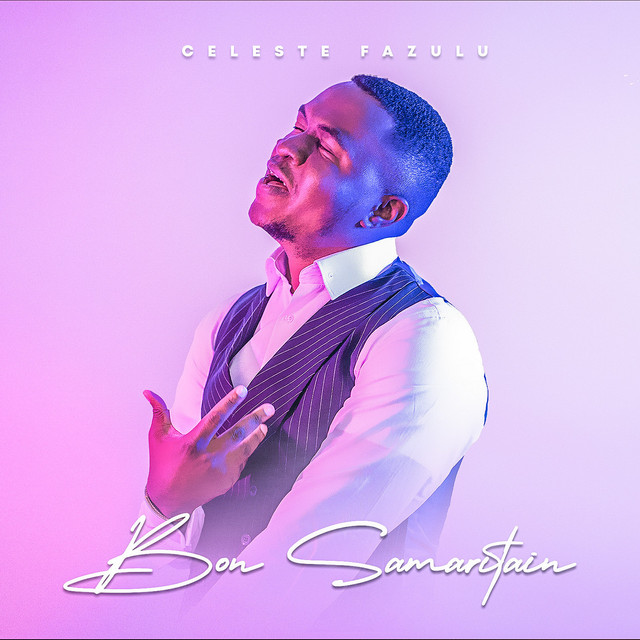
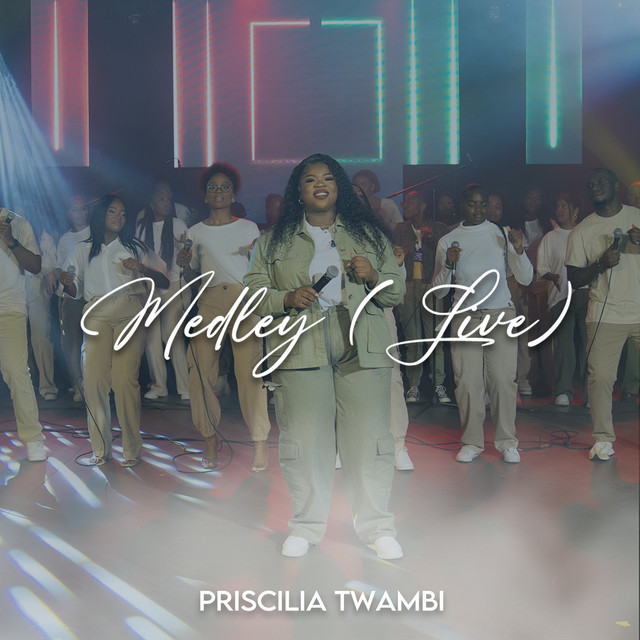

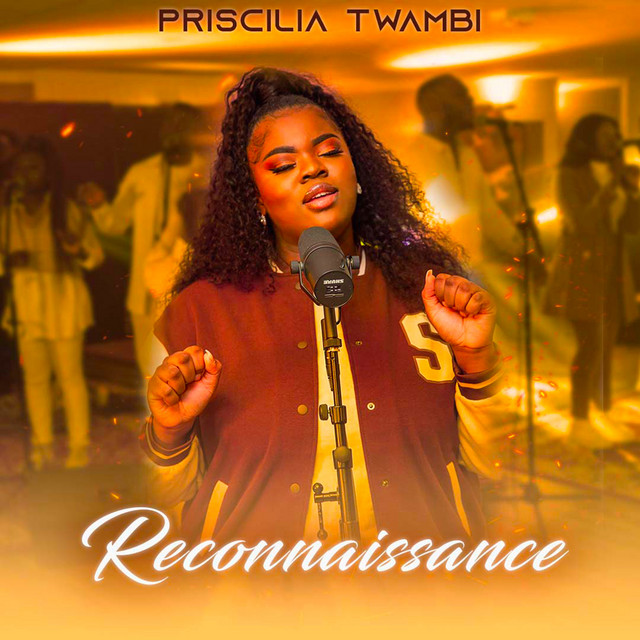


Best playlists


Influenced by


Other similar genres
Genres sharing the most artists with Louange