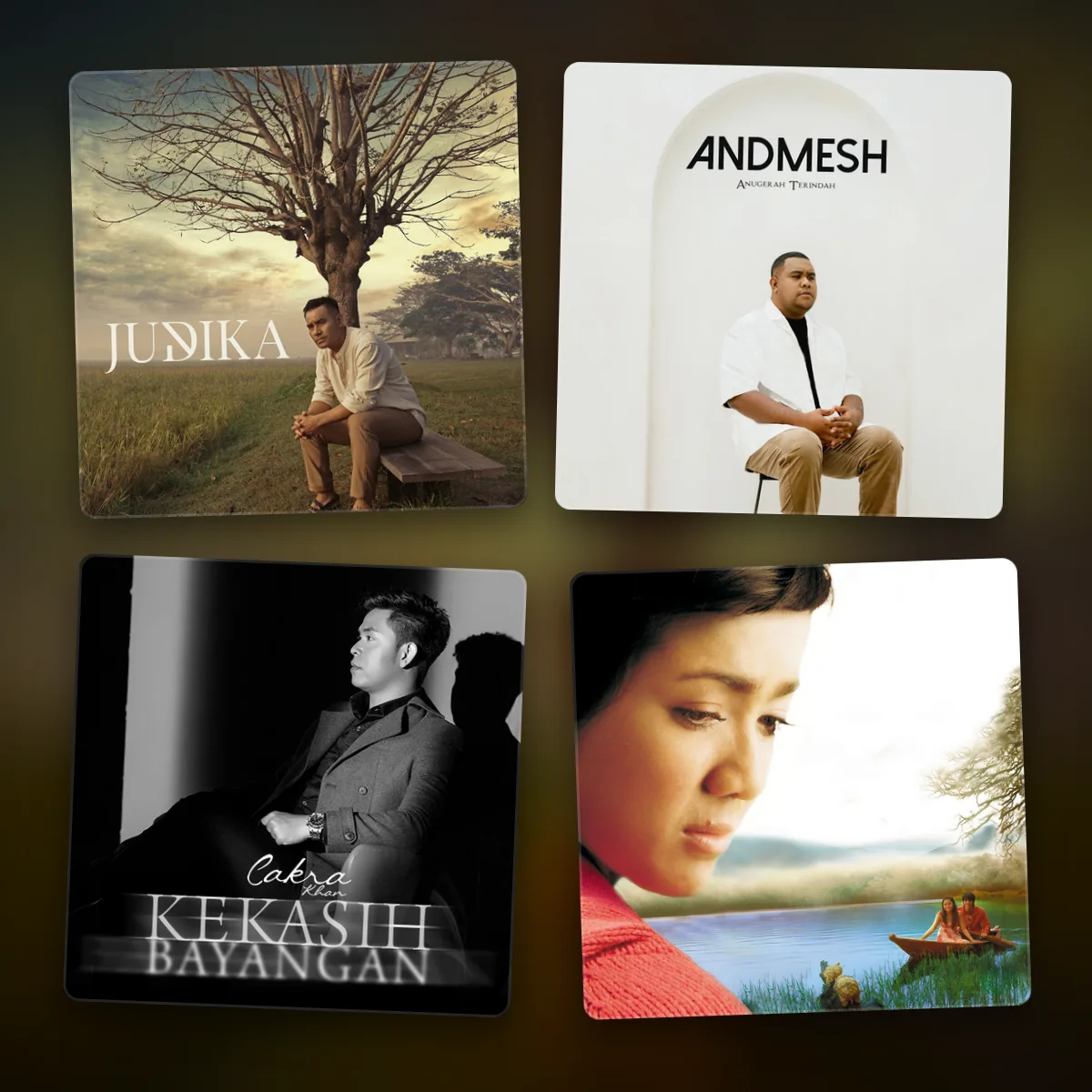
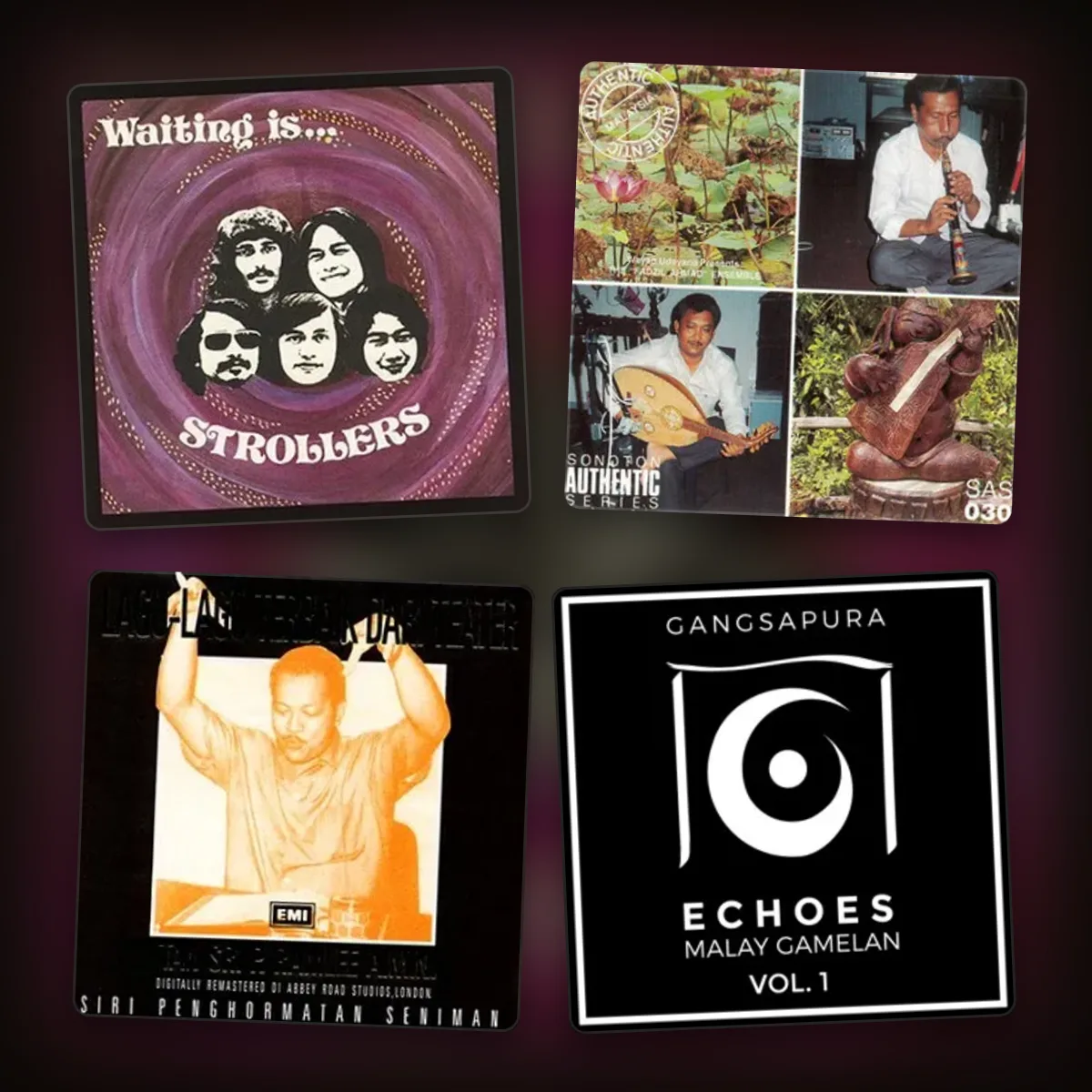
Description
Malay rap centers on programmed hip-hop beats, deep bass and voices that move between rhythmic verses and melodic hooks. The name is used by Every Noise at Once, Spotify’s genre labels and the playlist “The Sound of Malay Rap”, but has scant written commentary.
The music ranges from melodic trap to boom-bap-inflected hip hop. Trap-leaning tracks use booming 808 bass, crisp claps and quick, skittering hi-hats over a heavy, often half-time pulse. Others favor a steadier kick-and-snare groove and more direct, articulate rapping. Atmospheric synth pads are common, while piano, clean guitar and plucked synth sounds add repeating melodic figures. Minor-key harmony often gives the music a somber or introspective cast, though some tracks have a darker, more confident edge.
Vocals in Malay or Indonesian sometimes mix in English. Some performances use prominent pitch correction for a sing-song delivery; others pair comparatively dry rap verses with sung hooks. Ad-libs, vocal doubles and harmonies add depth, with reverb and delay widening the polished digital production. The music sits close to Indonesian hip hop and underground hip hop, sharing their emphasis on rap while drawing on contemporary trap and melodic R&B textures. Much of the playlist’s music dates from the early 2020s.
Based on: Every Noise at Once, Spotify's genre tags and playlist
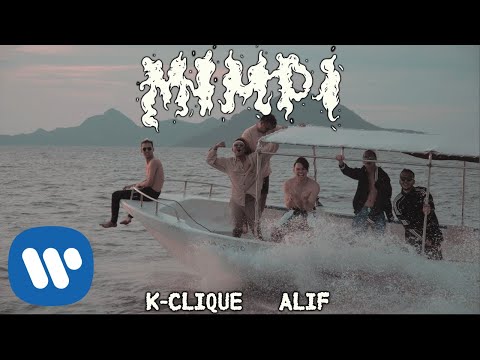
K-Clique – Mimpi (feat Alif) [Official Music Video]
Black Hat Cat Records
Build the beat
Program punchy kicks, crisp snares or claps and prominent hi-hats. For a trap feel, use a heavy half-time groove, rolling hi-hats and a deep 808 bass. For a sound closer to underground hip hop, try a steadier boom-bap kick-and-snare pattern.
Add atmosphere
Build a short minor-key loop with piano, clean guitar or a plucked synth, and fill out the space with a soft atmospheric pad. Keep the low end strong and the arrangement clear enough for the voice to lead.
Shape the vocals
Write rhythmic rap verses in Malay or Indonesian, optionally mixing in English. Contrast a direct, dry delivery with a melodic hook, or use pitch correction for a more fluid sing-song approach. Add doubles and ad-libs, with reverb or delay around the edges rather than obscuring the lead.

Mimpi - k-clique ft. Alif (lirik)
Suhaimi 7750

HAA TEPOK - MeerFly Ft. Kidd Santhe & MK | K-Clique (Lirik)
OoiAlways

Top albums



Best playlists

Influenced by

Other similar genres
Genres sharing the most artists with Malay Rap