

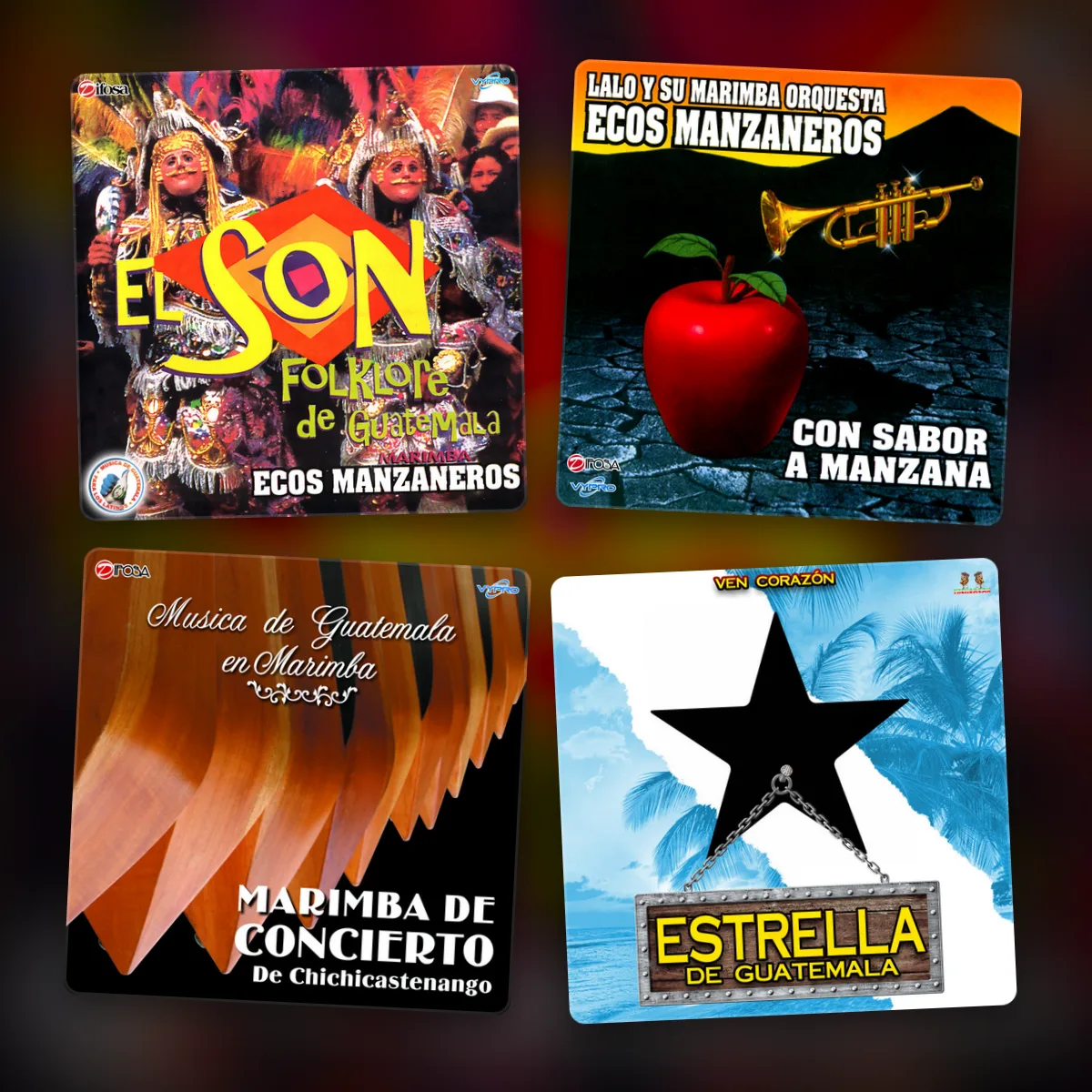
Description
Bright wooden marimba melodies ripple over buoyant dance rhythms, with bass and percussion adding a steady pulse. Most pieces are instrumental, though some include Spanish-language voices. The name marimba de guatemala is used by Every Noise at Once and a Spotify playlist, while published writing about the style is scarce.
The music ranges from acoustic marimba pieces with a bouncing, waltz-like triple meter to syncopated cumbia dance music. Marimbas often play rapid rolls and harmonized melodies in thirds and sixths, giving the tunes a sparkling, layered sound. Some recordings have a warm, roomy and nearly mono character; others use cleaner studio production, electric bass and keyboards. The mood is generally festive and cheerful, with a gentle, nostalgic quality in some of the acoustic pieces.
Spanish titles point to dancing, romance, places and celebrations, while medleys bring several tunes together in a single track. Many of the releases collected under the name date from the late 2010s.
Based on: Every Noise at Once, Spotify's genre tags and playlist
Marimba and melody
Build a bright, tonal melody for marimba, using quick tremolo rolls to sustain notes. Harmonize parts of the tune in parallel thirds or sixths, and let lower marimba notes or a bass instrument support the melody.
Rhythm and arrangement
For an acoustic approach, try a brisk, bouncing triple-meter pattern with light percussion. For a dance arrangement, use a syncopated cumbia groove, an offbeat bass line and percussion such as güiro or drums. Tropical music and cumbia sonidera offer useful dance-music reference points.
Production
Keep the acoustic version roomy and warm, or give the dance version a cleaner, brighter mix with electric bass and keyboards. An instrumental arrangement fits well, though Spanish-language vocals can also be used.

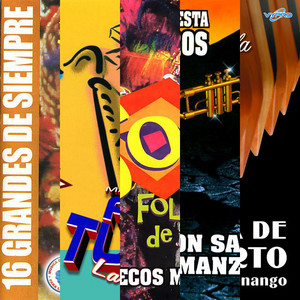
Top albums






Best playlists

Other similar genres
Genres sharing the most artists with Marimba De Guatemala


