Description
Heavy, tightly locked guitar riffs, forceful drums and harsh vocals drive melodic groove metal, often with soaring melodies breaking through the distortion. The term is used by Every Noise at Once and Spotify’s “The Sound of Melodic Groove Metal” playlist, though it has attracted scant written commentary.
The music tends to move at a fast, relentless pace, with rapid double-kick patterns, sharp snares and crashing cymbals. Palm-muted guitar chugs often fall into syncopated or half-time grooves, and some tracks use abrupt, staccato breakdowns. Low-tuned guitars and bass contribute to a thick sound, while dark, minor-key riffs can give way to faster melodic leads.
Screams and growls are common, sometimes alternating with or layered against high, anthemic clean singing. Other songs stay closer to harsh vocals, while some bring in rhythmic shouting or rapping. The production is typically dense and polished, with wide layers of distorted guitar, punchy drums and prominent voices. Some tracks add orchestral synthesizer or string textures.
Its artists are also associated with melodic death metal, groove metal and metalcore, and the music ranges from riff-driven modern metal to more symphonic and extreme-metal arrangements. Lyrics are often in English, although titles such as “A grito de guerra” point to other languages too. Many of the releases associated with the style are from the 2010s.
Based on: Every Noise at Once, Spotify's genre tags and playlist

Metal Sub-Genres Explained
OPAL IN SKY

Every Metal Subgenre EXPLAINED (with Guitar Riffs)
Jojo Plays Music

Top 15 Best GROOVE METAL Albums (Controversial?)
Metal Trenches

The BEST GROOVE METAL Albums of The 1990s (PANTERA, SEPULTURA, MACHINE HEAD AND MORE!)
Void of Metal
Build the rhythm
Start with low-tuned, heavily distorted guitar and bass. Write palm-muted riffs that lock tightly to the kick drum, using the syncopated weight of groove metal alongside the faster attack of melodic death metal. Contrast driving double-kick passages with a half-time groove or a staccato metalcore breakdown.
Add melody and vocals
Set the riffs in a dark or minor-key harmonic palette. Give the music a strong melodic counterweight through a fast lead-guitar line or a soaring vocal refrain. Try alternating harsh screams or growls with clean, high-register singing; rhythmic shouts can add another kind of emphasis.
Shape the mix
Layer rhythm guitars across the stereo field and keep the drums punchy and upfront. Aim for a dense, polished sound without burying the vocal. For a more dramatic arrangement, add orchestral synthesizer or string textures behind the band.

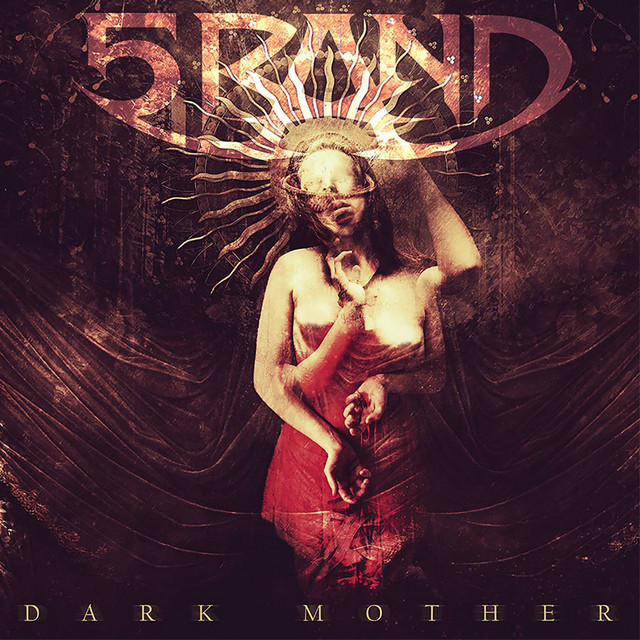
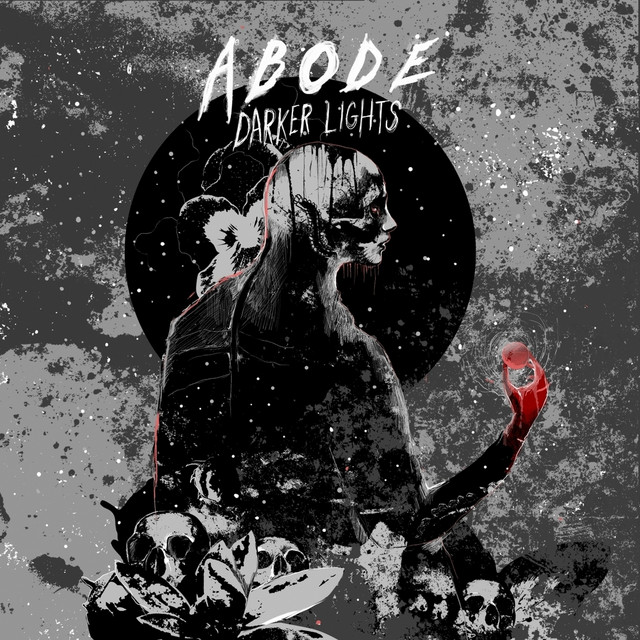
Top albums




Best playlists



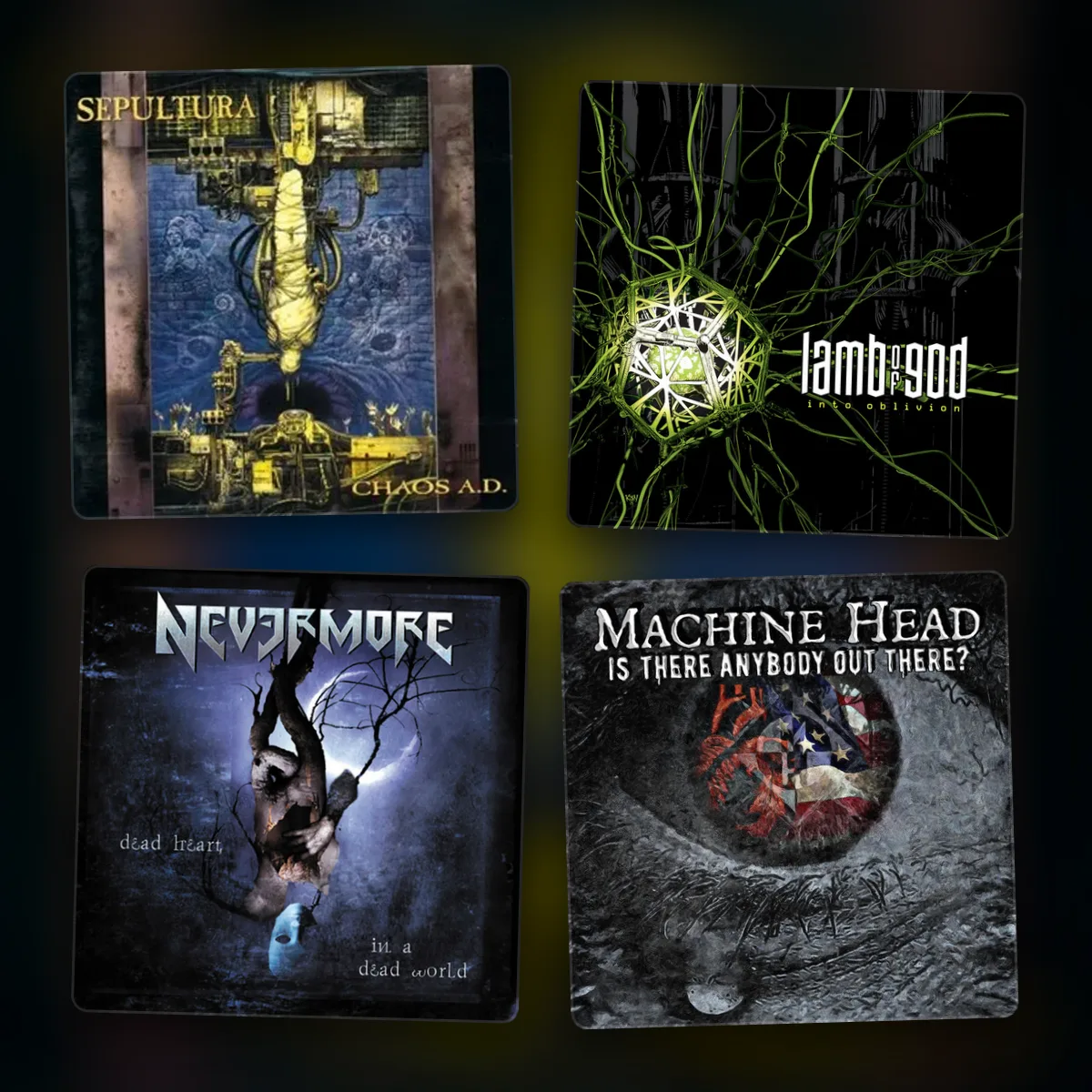
Influenced by


Other similar genres
Genres sharing the most artists with Melodic Groove Metal