Description
Clear melodies run through music ranging from acoustic folk and gentle ambient pieces to theatrical orchestral songs. The name is used in Spotify’s genre labels and on Every Noise at Once, but has scant written description. Its artists are also associated with Celtic and medieval music, and many titles refer to characters, places and stories from J.R.R. Tolkien’s writing.
Acoustic guitars can carry a brisk, lilting folk rhythm or pick out slower arpeggios, sometimes joined by accordion or concertina and light percussion. Other arrangements use piano, strings, sustained bass and synthesizer textures. Singing often has a theatrical character, from solemn held notes to robust choral harmonies; some pieces are instrumental. English is common in the song titles, though other languages also appear.
Minor or modal melodies give much of the music a wistful or dramatic cast, while some pieces are brighter and more rousing. The sound moves between warm, clear acoustic recordings and broad, reverberant arrangements with a more imposing scale.
Based on: Every Noise at Once, Spotify's genre tags and playlist
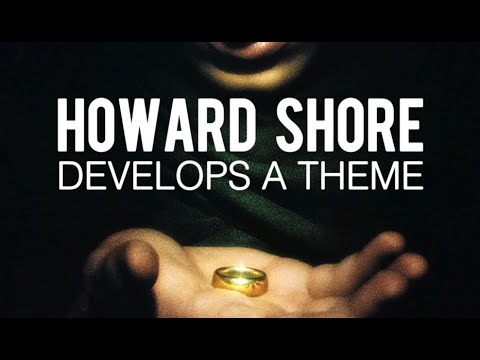
Lord Of The Rings: How Music Elevates Story
Nerdwriter1

The Music of the Monsters of Lord of the Rings
Listening In
Start with a melody
Write a prominent, singable melody. Try minor or modal harmony for a solemn or wistful character, drawing on the melodic approaches of Celtic and medieval music. A brighter major-key tune can work for a more spirited piece.
Choose an arrangement
For an acoustic folk setting, use strummed or fingerpicked guitar, accordion or concertina, and light hand percussion. Let a lilting pulse drive the livelier passages; for a reflective piece, let piano or guitar arpeggios carry the movement without a strong drum pattern.
Build the atmosphere
Add sustained bass, strings or soft synthesizer layers for breadth. A solo voice can deliver the melody theatrically, while layered harmonies give it a choral weight. Keep an intimate acoustic arrangement clear and warm, or use spacious reverb for a grander sound.

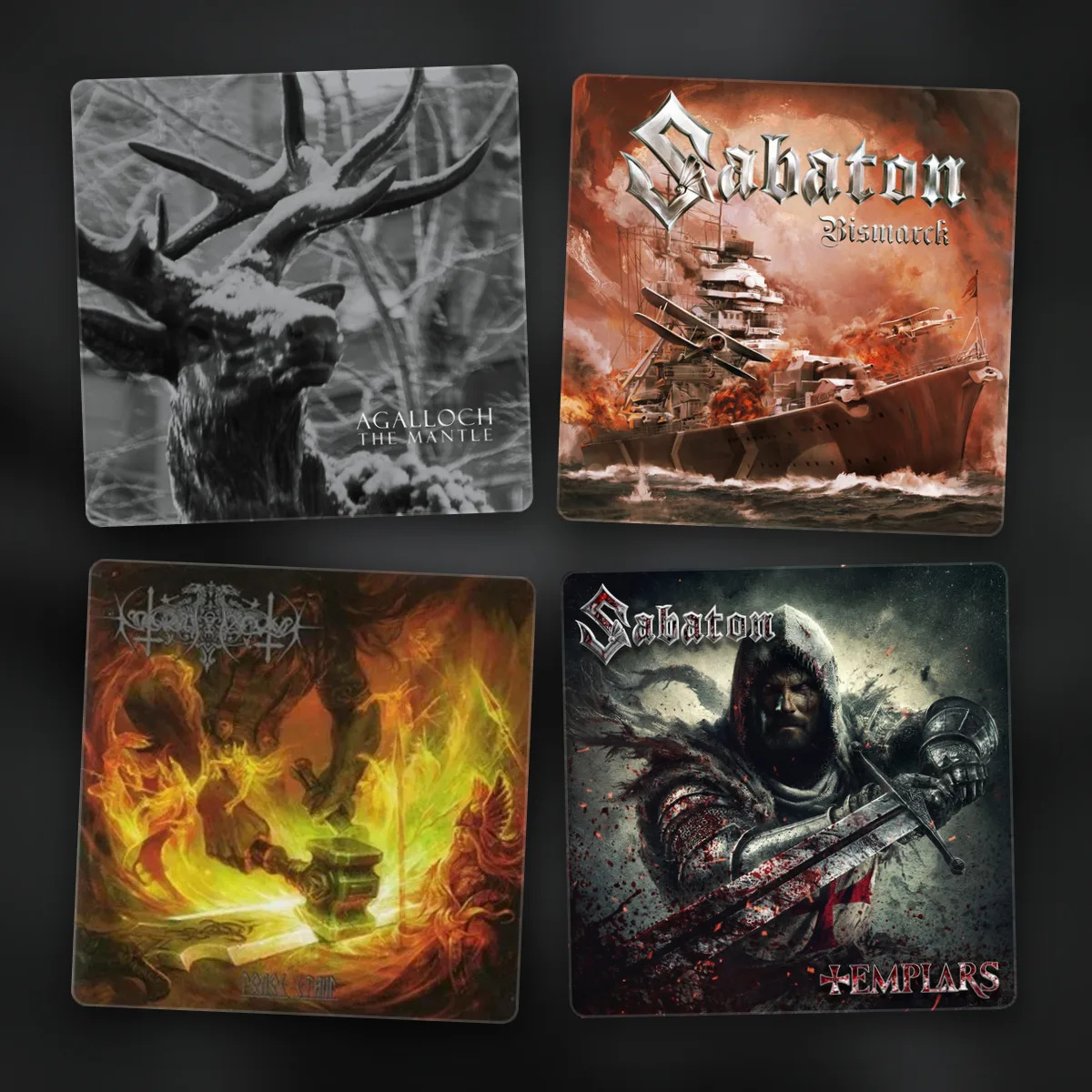
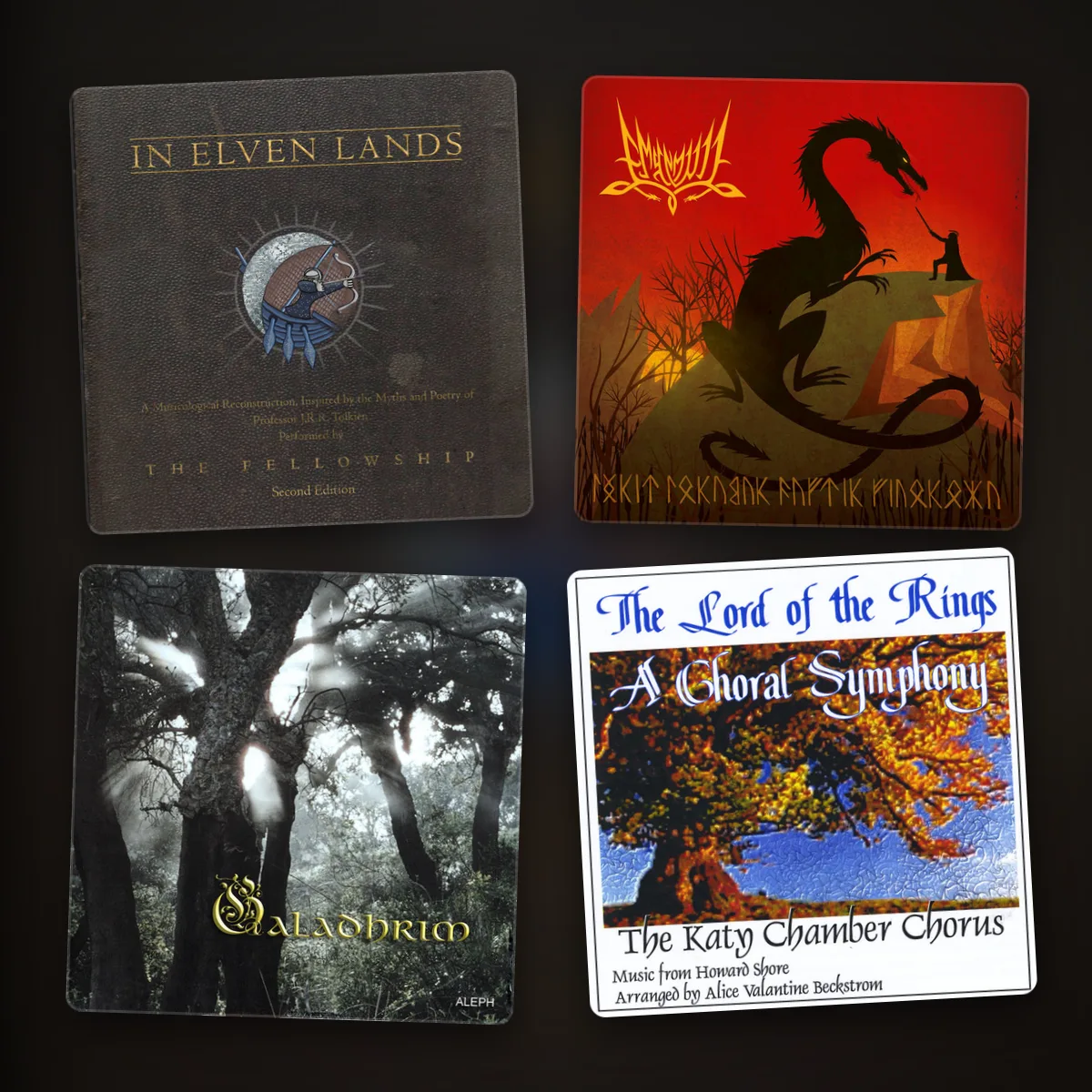
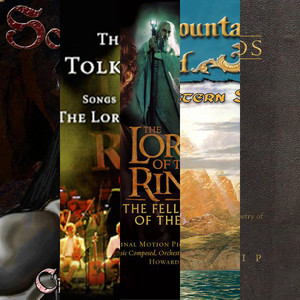
Top albums





Best playlists

Influenced by


Other similar genres
Genres sharing the most artists with Middle Earth