Description
A steady electronic pulse, deep synth bass and repeating patterns give minimal melodic techno a driving, hypnotic feel. The term comes from Every Noise at Once, a map of genres identified by Spotify, and The Sounds of Spotify’s playlist; published descriptions of the style are scarce.
Most tracks build their motion from drum-machine kicks, claps or snares, cycling bass riffs and arpeggiated synths. Minor-key harmonies and atmospheric pads lend the music a nocturnal, sometimes tense character. The production is generally clean and spacious, with reverb, delay and filter sweeps slowly changing the color of the sound; some tracks favor a darker, more saturated texture. Much of the music is instrumental, though processed vocal fragments and breathy English singing also occur.
Its artists are also associated with minimal techno, melodic techno and melodic house. The music shares minimal techno’s stripped-back repetition, while its atmospheric synth layers and gradual development bring it close to the more melodic side of electronic dance music. Many releases in this playlist are from the early to mid-2010s. Track titles include English, French, German and Italian.
Based on: Every Noise at Once, Spotify's genre tags and playlist
Rhythm and bass
Start with a steady, driving electronic pulse. Program a punchy kick and a restrained clap or snare, then add a repeating synth-bass figure and short hi-hat or arpeggiated patterns. Draw on minimal techno and techno for repetition and gradual rhythmic variation.
Harmony and texture
Use a minor-key chord cycle or a sustained harmony, with a simple arpeggio or repeating synth figure rather than a busy lead. Layer atmospheric pads above the bass, taking melodic techno and melodic house as guides to a more spacious sound.
Arrangement and production
Develop the track slowly by filtering synths, adding or removing percussion and changing the balance of layers. Use reverb and delay to give the mix depth while keeping the low end clear. Vocals can be left out, treated as brief textures or delivered as a breathy melodic part.
The 4 rules of techno minimalism
Underdog Electronic Music School

How to Make Melodic Techno (Like ANYMA, MISS MONIQUE & ARTBAT) – FREE Ableton Project
EDM Tips

6 key concepts for arranging techno
Underdog Electronic Music School

How to REALLY make MODERN MELODIC TECHNO 🤯
Alice Efe - Mercurial Tones Academy

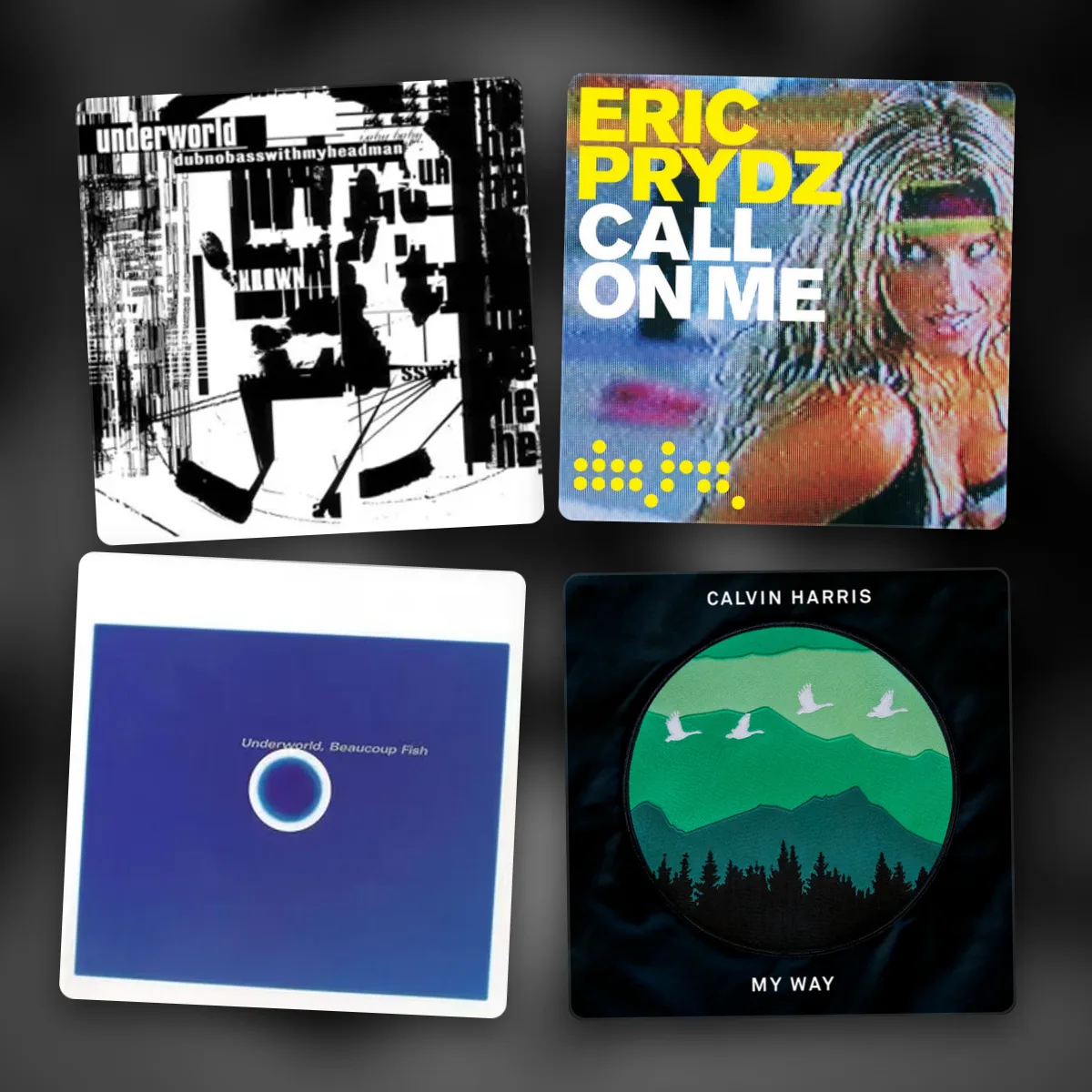
Top albums



Best playlists


Influenced by

Other similar genres
Genres sharing the most artists with Minimal Melodic Techno