Description
Minimal psytrance centres on electronic dance rhythms, hypnotic repetition and psychedelic synthesizer sounds. The term is catalogued in Every Noise at Once’s map of Spotify genres and in Wikidata, though it has scant written description. Its artists are mostly associated with psytrance, with some also connected to progressive trance and the experimental, leftfield style zenonesque.
The music tends toward a steady four-on-the-floor pulse, layered electronic textures and patterns that change gradually rather than all at once. In the surrounding trance traditions, bass and drums provide a driving foundation while synth sequences and atmospheric effects build tension and keep the music in motion. Progressive trance brings a sense of gradual development, while zenonesque points toward cleaner, more experimental production with occasional funky or jazzy touches.
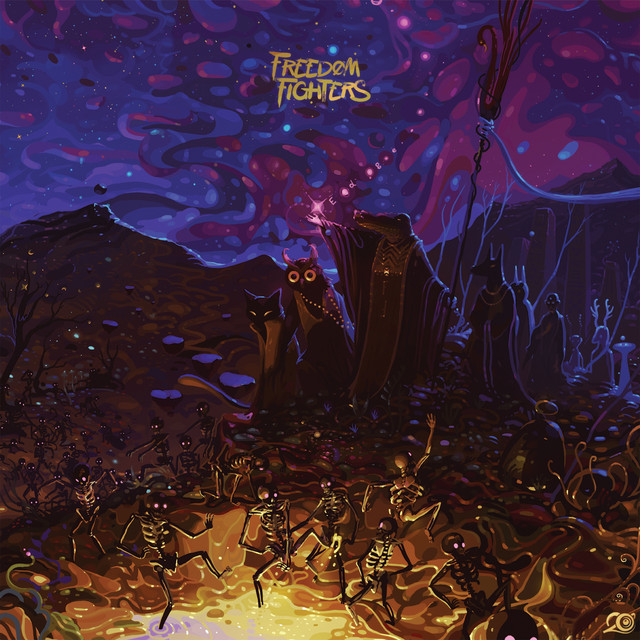
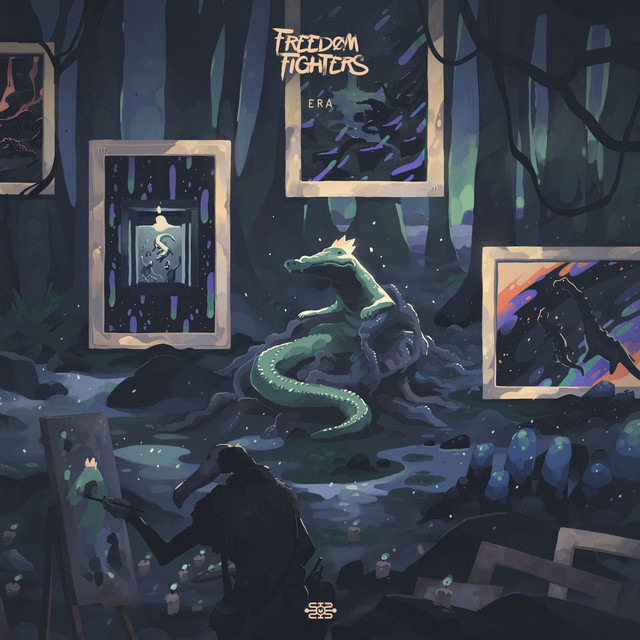
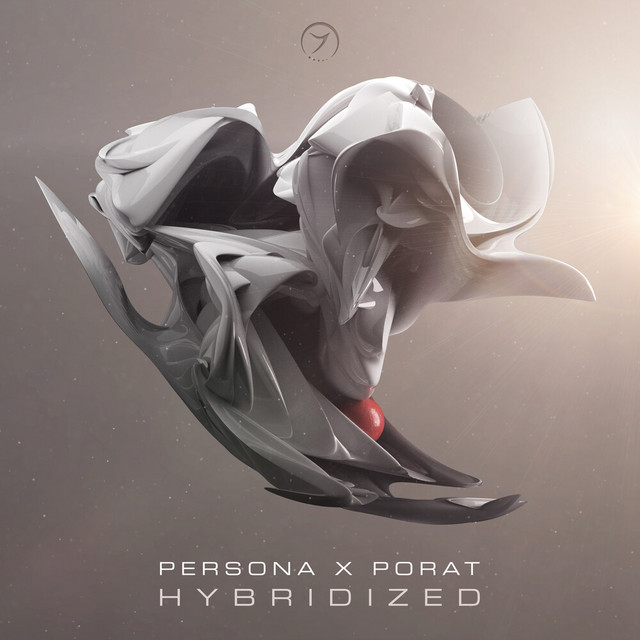
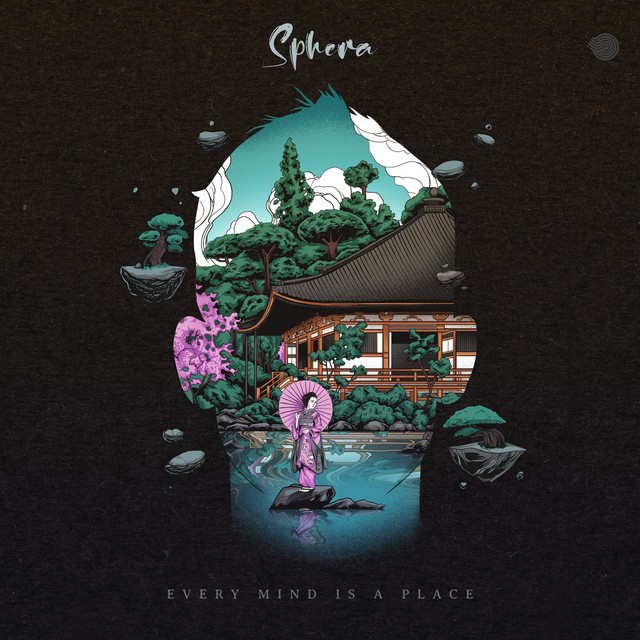
Albums associated with the name include Dekel’s Ancient Future, Freedom Fighters’ Edge, Pspiralife’s The Middle Way and Sphera’s Every Mind Is a Place. Titles range from the reflective to the futuristic, fitting music that can be both immersive and dance-focused.
Based on: Every Noise at Once, Spotify's genre tags and playlist
Build the pulse
Start with a steady four-on-the-floor kick and a repeating electronic bass pattern. Draw on psytrance and trance for a driving, hypnotic groove, leaving space between parts so that small rhythmic changes remain noticeable.
Develop the synths
Add a short sequenced synth figure and vary its filter, timing or tone gradually. Use atmospheric layers and electronic effects for a psychedelic character, but let individual sounds enter and leave rather than filling every moment.
Shape the arrangement
Take a cue from progressive trance: build tension through gradual changes in texture, then release it by bringing the full rhythm back. For a more leftfield direction, explore zenonesque’s clean production and hints of funk or jazz in the rhythm and phrasing.

Top albums


Best playlists
Minimal Psytrance
Melodigging

Minimal Psytrance Mix
Spotify
Minimal Psytrance
Michel Ofrank

goa minimal/psytrance
Max Pass
Krumelur - live at Turbina, Budapest (deep & minimal psy-trance mix)
Zenon Records Official
Influenced by


Other similar genres
Genres sharing the most artists with Minimal Psytrance