Description
Brass and saxophone sections trade bright, tightly arranged phrases over driving drums and bass, with piano and occasional guitar adding color. The term comes from Every Noise at Once and The Sounds of Spotify’s playlist “The Sound of Modern Big Band”; published descriptions are scarce. The music is often fast, energetic and instrumental, with a celebratory, exuberant feel.
The arrangements draw on big band swing, Latin jazz and jazz-funk. Some tracks ride a swinging cymbal pattern and walking bass, while others use Latin-inflected percussion or more intricate funk rhythms. Syncopated ensemble hits alternate with or support lead improvisation, and rich jazz chords give the horns a full, layered sound. Recordings generally favor a clean, spacious balance that keeps the sections distinct.
The playlist includes both original pieces and arrangements of familiar material, with titles in English and Spanish among others. Its releases are largely from the 2000s and 2010s, and include studio recordings alongside live performances.
Based on: Every Noise at Once, Spotify's genre tags and playlist
More on: Wikidata

Great American Big Bands of the 1930s & 1940s Glenn Miller & Duke Ellington #bigbands #vintagemusic
Past Perfect Vintage Music

Big Band Part 1 Glenn Miller, Benny Goodman, Artie Shaw, Tommy Dorsey, Woody Herman
Casablanca S
Arrange for a large ensemble
Start with the section writing of big band: score saxophones, trumpets and trombones in harmonized blocks, using extended jazz chords and chromatic movement. Build short, punchy figures that the full horn section can play together, then leave space for a soloist to answer them.
Shape the groove
Use drums and bass as the foundation. For a swing feel, combine ride cymbal timekeeping with a walking bass line. For a Latin jazz approach, add interlocking percussion and syncopated accents; for a jazz fusion color, try electric bass or guitar with a more intricate funk groove.
Record and develop
Keep the rhythm section and horn parts clearly separated in the mix, with enough room sound to preserve the sense of an ensemble. Contrast dense brass passages with lighter accompaniment under improvisation, and use coordinated hits to bring the band back together.

Closed Voicing, pt. 1 - Big Band Arranging SECRETS REVEALED
Pandemonium Big Band

How to Write for Big Band: Orchestration
Gil Evans Inside Out

Big Band Trombone & Trumpet Voicings
Gil Evans Inside Out

How I Create Big Band Voicings
Gil Evans Inside Out

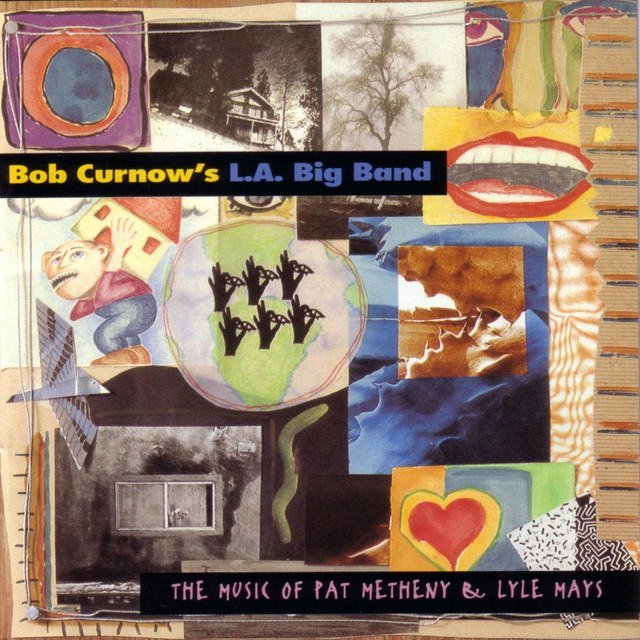
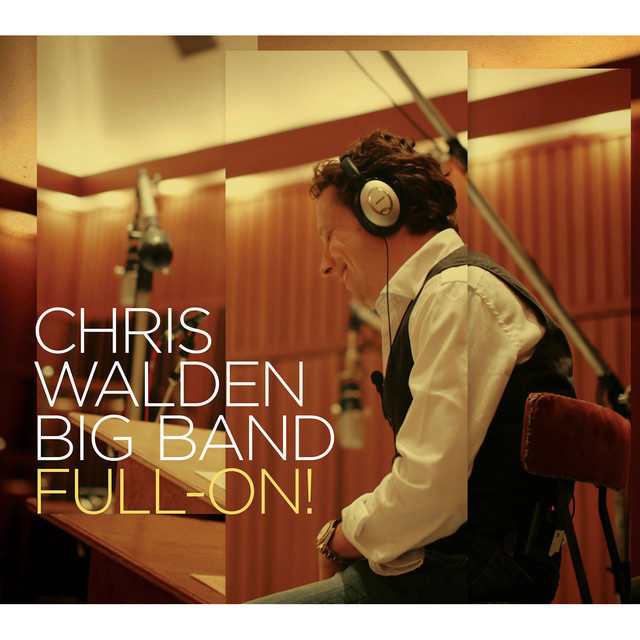
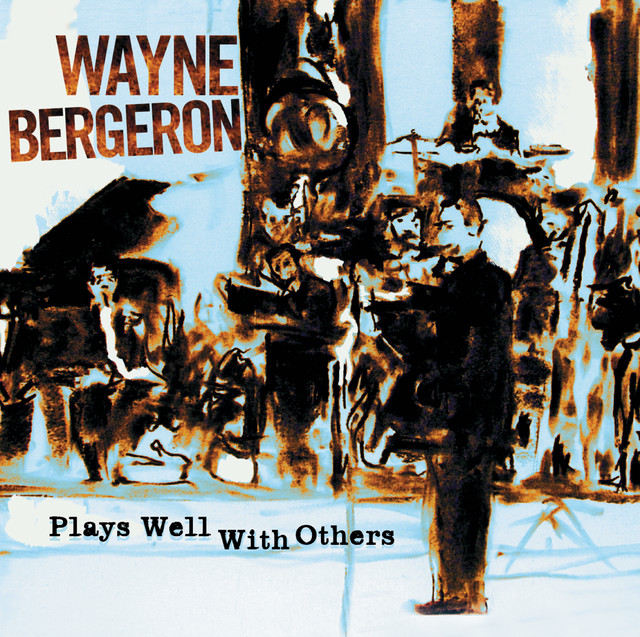
Top albums



Best playlists



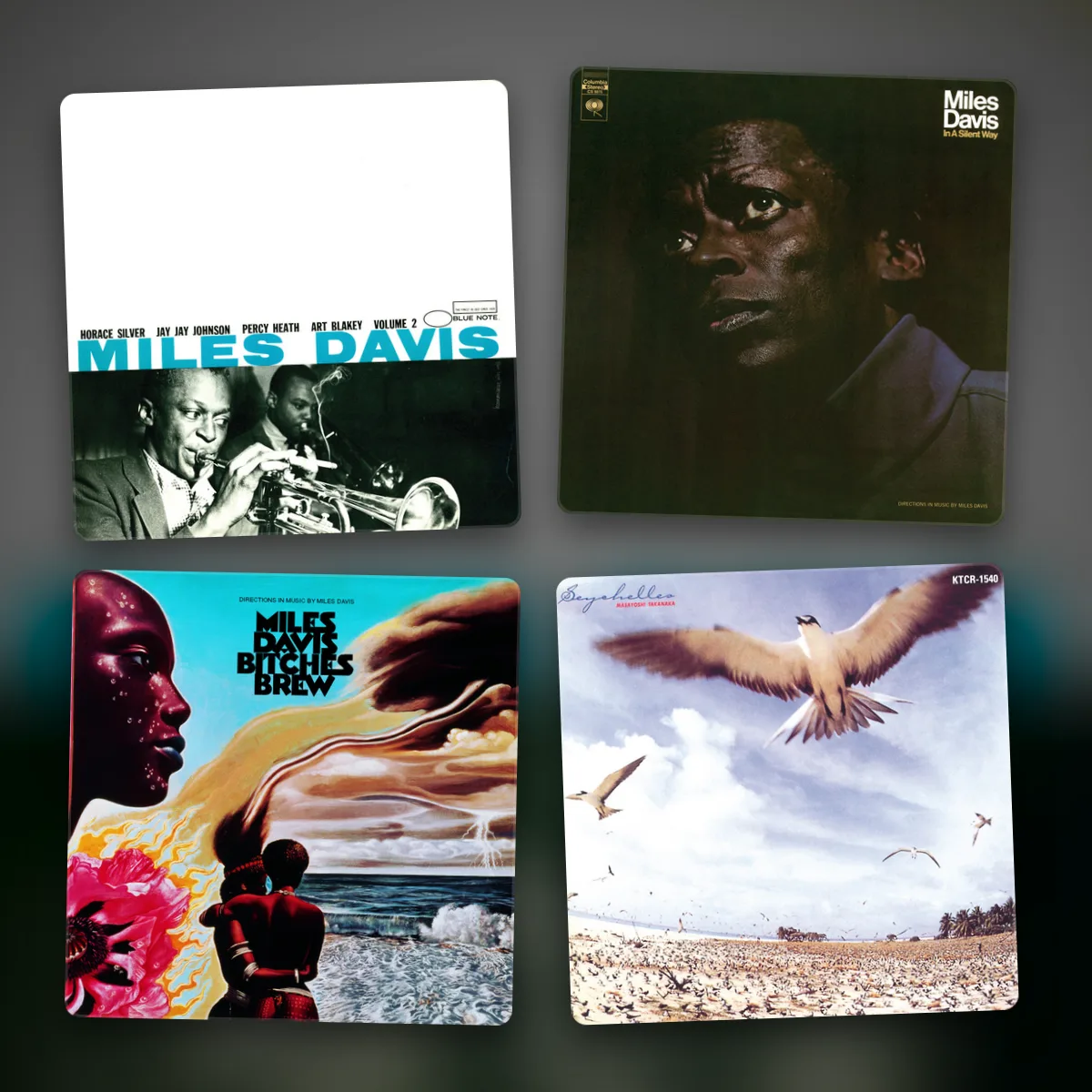
Influenced by
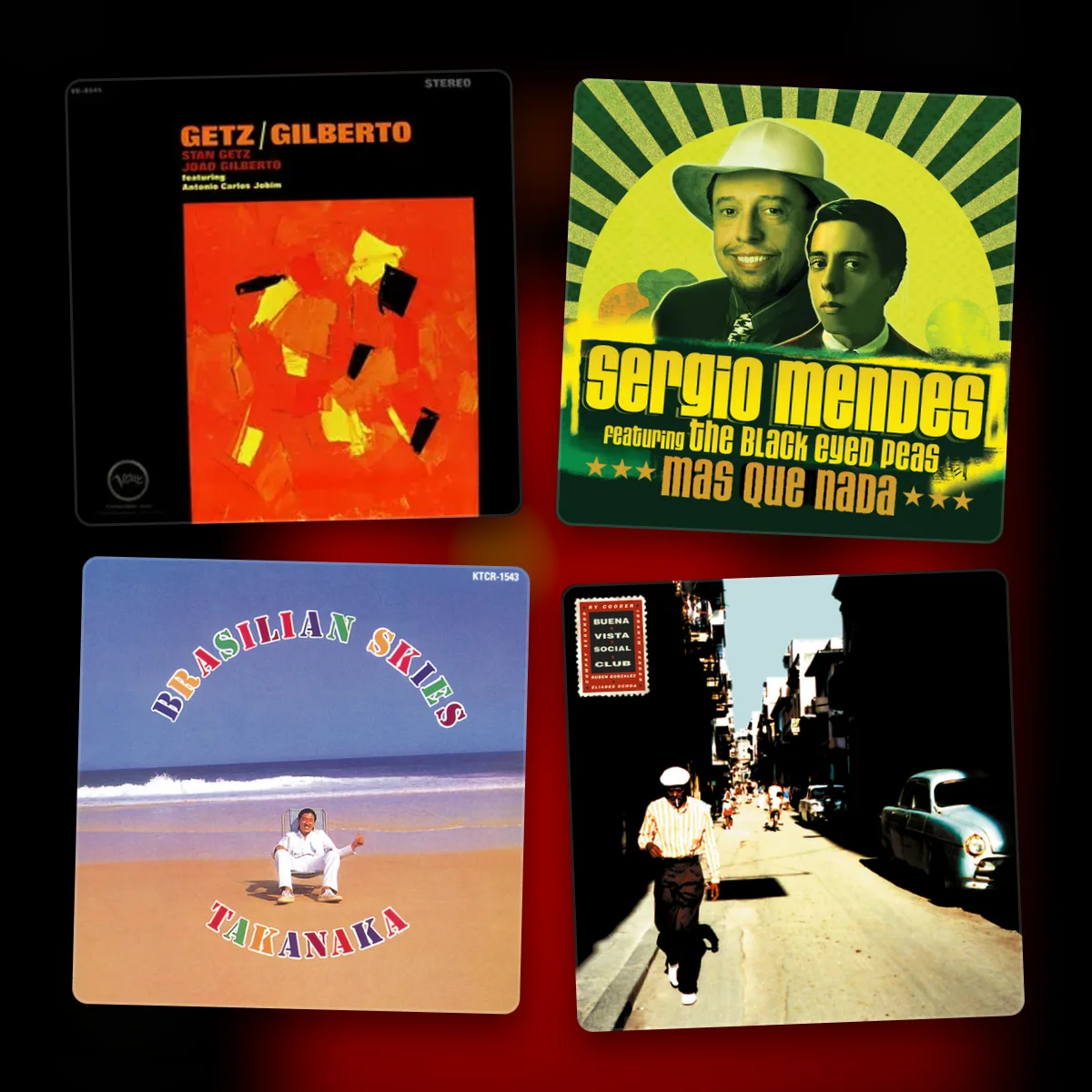

Other similar genres
Genres sharing the most artists with Modern Big Band Music