Description
Modern darkwave is a form of electronic-heavy dark pop that combines the emotional intensity of post-punk with a cool, often austere electronic sound. Analogue-modelled synthesizers and drum machines provide much of its texture, while prominent bass lines give the music weight and movement. Vocals tend toward melancholy or detachment rather than aggression; lyrics often dwell on isolation, despair and introspection.
The style is closely associated with goth but is not identical to it: modern darkwave places particular emphasis on synthesizers, electronic textures and cold production. Industrial influences and ambient textures can deepen its atmosphere, while danceable rhythms keep the music moving without dispelling its mood.
Based on: music.co.uk, dragermusic.com
More on: Every Noise at Once

13 of the Best Current Goth & Darkwave Bands
eclecticism
History
Foundations
Modern darkwave builds on a wider darkwave tradition that emerged in the 1980s from synth-pop and post-punk. Its contemporary sound also draws on minimal wave and coldwave, revisiting older electronic and post-punk aesthetics through modern production.
Growth and contemporary scene
The genre has grown substantially since the mid-2010s. That growth has been linked both to exposure on TikTok and to a new generation rediscovering post-punk. Today it has an international presence, including a substantial scene in the United Kingdom.
Independent networks
In the United Kingdom, the scene operates significantly through small venues, promoter networks and Bandcamp distribution. It has also attracted a younger audience than heritage goth, with listeners frequently in their twenties and thirties.
Build the electronic foundation
Start with a synthesizer-led arrangement and a drum-machine pattern. Give the bass line a prominent role: it can supply both the track’s weight and its movement. Choose analogue-modelled synth sounds and leave space around them to create the cool, spacious production associated with the style.
Shape the mood
Use dark atmospheres and introspective lyrics, and try a restrained, melancholic or detached vocal delivery rather than an aggressive one. You could layer sustained ambient textures behind the main parts or add industrial-leaning sounds for extra edge.
Balance atmosphere and movement
Keep the rhythm danceable without making the arrangement feel bright or triumphant. A common approach in synth-pop is to repeat a clear melodic or bass motif while changing the surrounding layers; you could use that approach to maintain momentum as the texture gradually develops.

How to Make Cyberpunk / Dark Synthwave From Scratch in Ableton Live 12
K. Hart

Making a #darkwave track #ebm #electronicmusic #postpunk #goth #gothmusic #synthwave
Claudia Kane

How to Make a Darkwave Type Beat From Scratch (Mareux, Artemas, Mr Kitty)
ProdKult Academy

Como hacer Darkwave desde cero
GridDXI

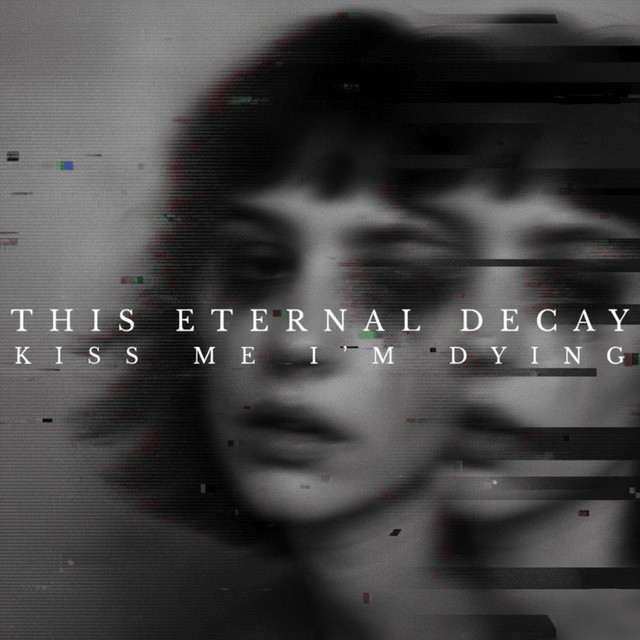
Top albums


Best playlists

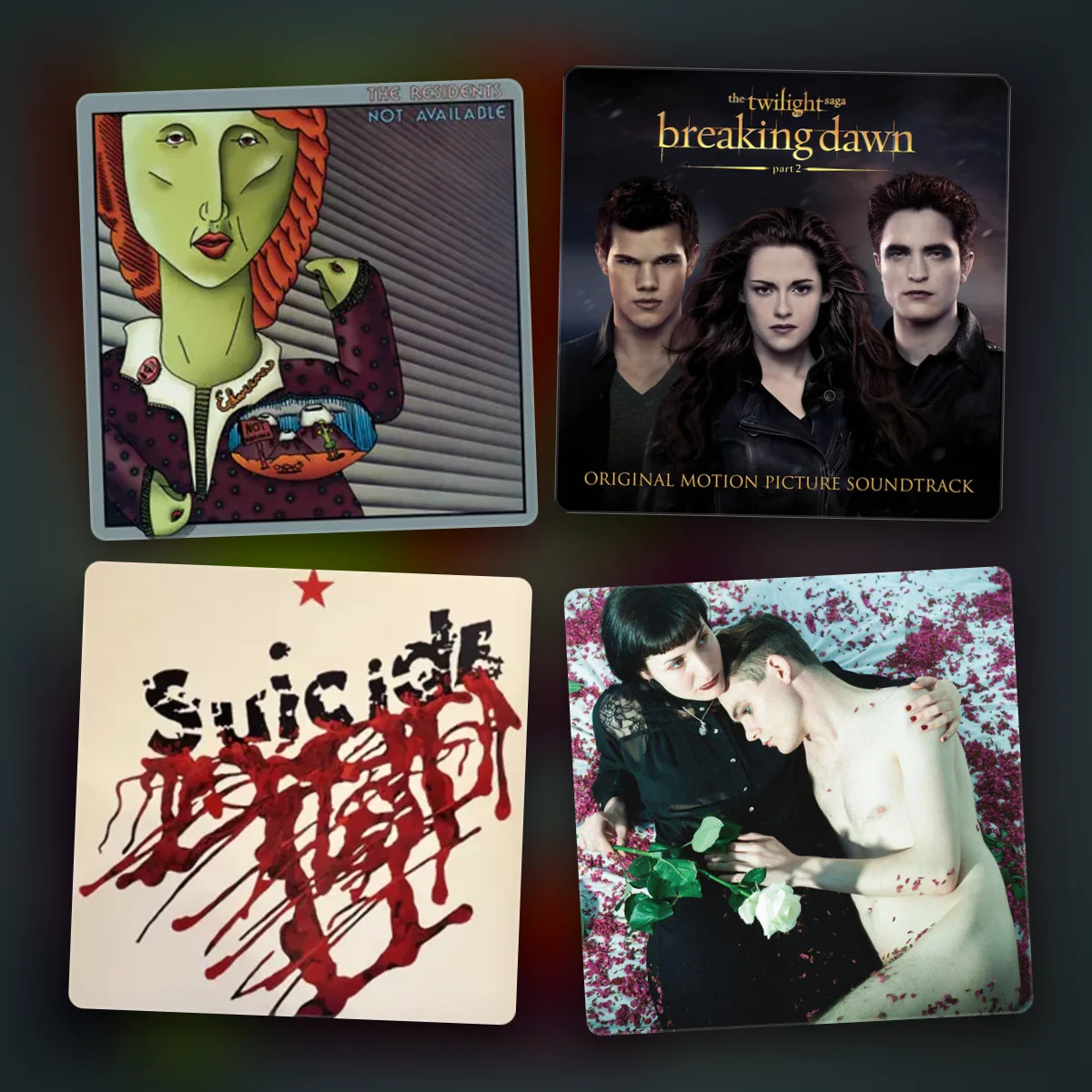
Influenced by

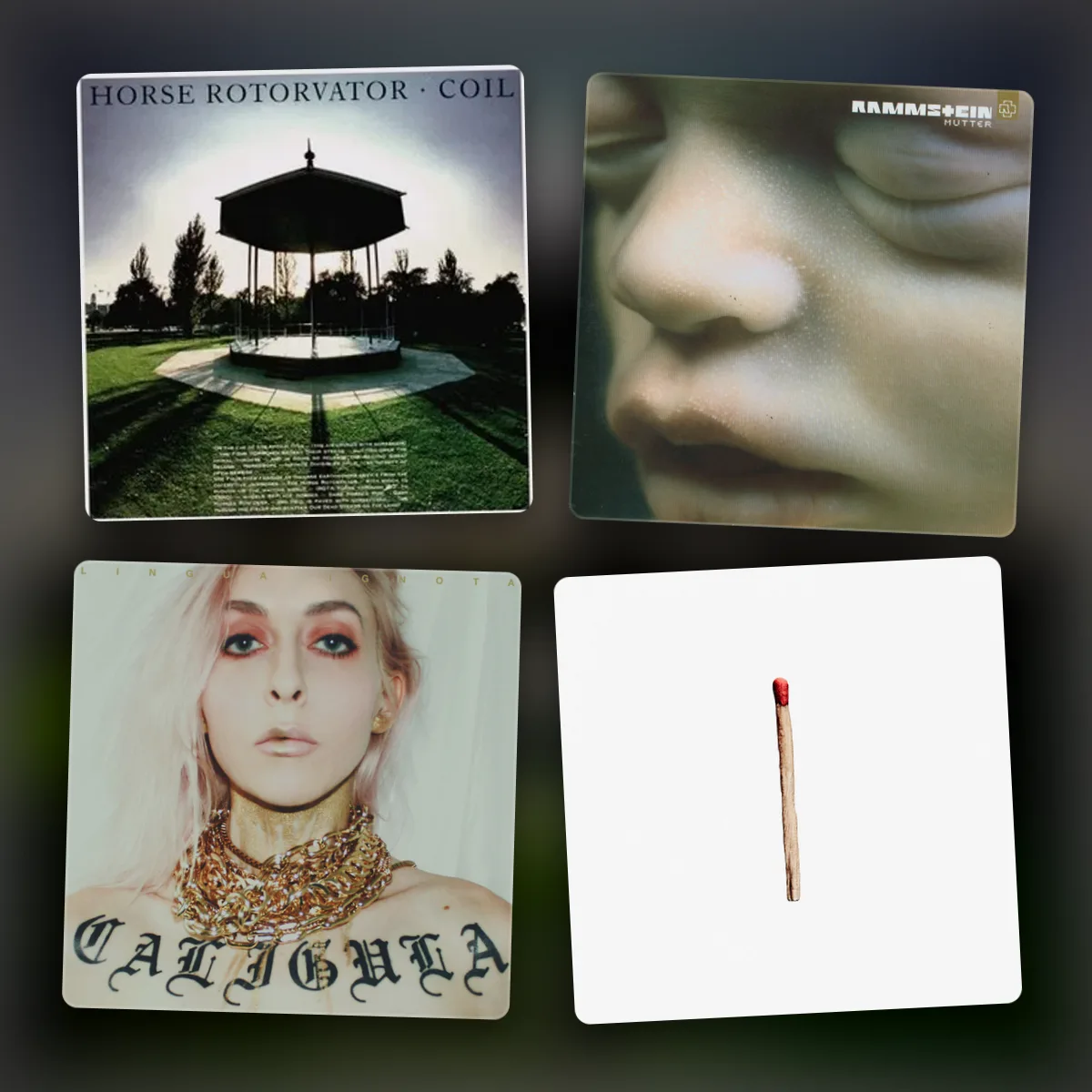
Other similar genres
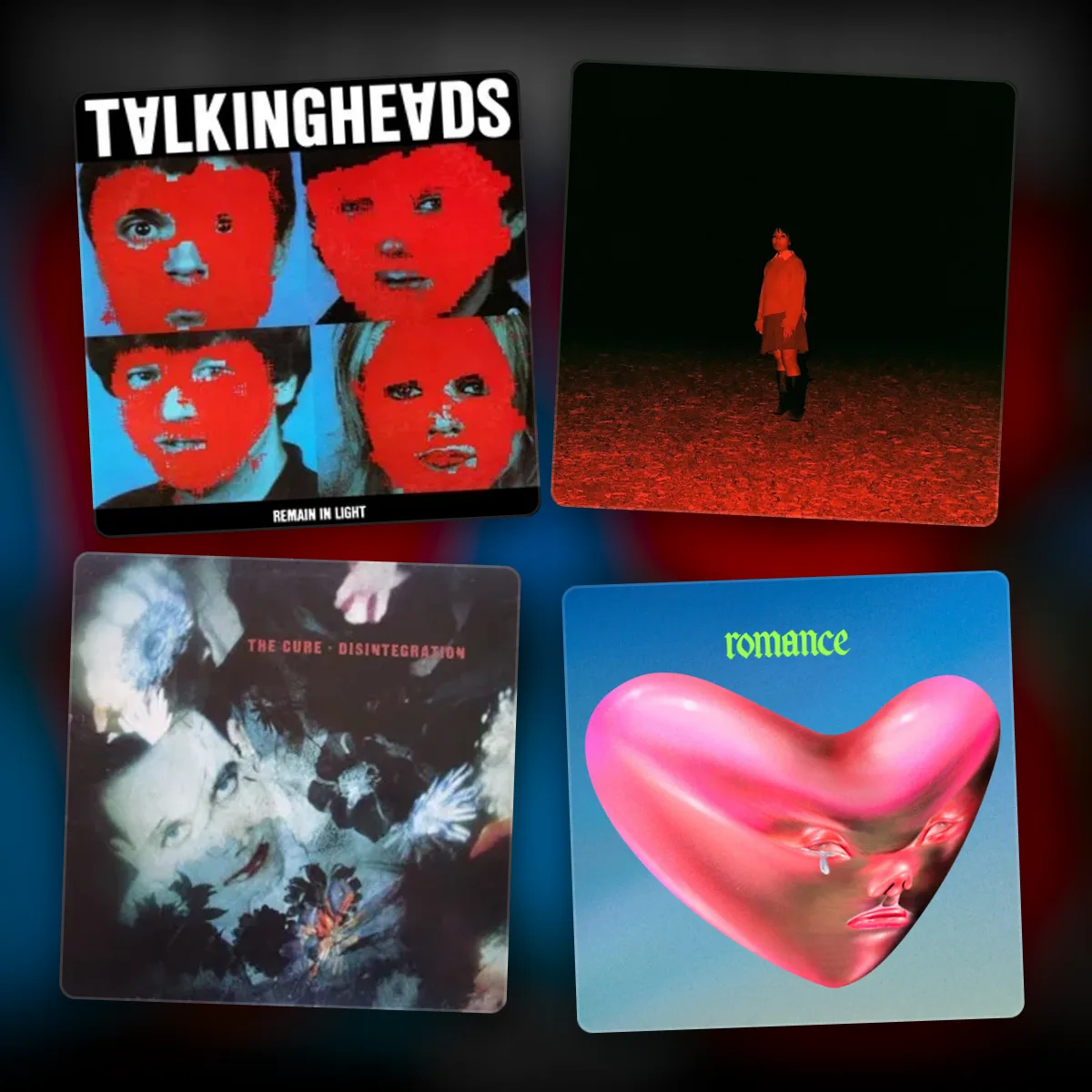
Genres sharing the most artists with Modern Darkwave