Description
Acoustic piano, upright bass and drums move between spacious, reflective playing and quick, searching jazz improvisation. Trumpet and other horns sometimes take a prominent melodic role, bending and sliding between notes. The name is charted by Every Noise at Once and linked to Spotify’s “The Sound of Free Jazz” playlist, though published commentary on it is scarce.
The music ranges from intimate piano balladry to the more angular playing of avant-garde jazz and the driving swing associated with bebop and hard bop. Some pieces unfold without a strict pulse; others have walking bass, brushed drums or active cymbal-led swing. Melodies can be gentle and lyrical or broken into sharper, more complex phrases. The recordings are often natural and warm, giving the instruments room to respond to one another.
Its artists are closely associated with free jazz, where collective improvisation can take precedence over fixed chords and meter. Titles such as “The Golden Light (Hymn),” “Lonely Woman” and “Elegy in Azurite” suggest a range of reflective themes alongside the music’s more intense, exploratory side.
Based on: Every Noise at Once, Spotify's genre tags and playlist

Why Free Jazz is the most important genre of all time
Notes From The Archives
Begin with an acoustic ensemble
Use piano as a starting point, either on its own or with upright bass and drums. Add a trumpet or another horn for a foreground voice. Aim for a natural recording that lets the instruments’ tone and interaction come through.
Shape the pulse
Draw on jazz, bebop and hard bop for walking bass and cymbal-led swing, or use brushes for a softer texture. Let the timing stretch and loosen rather than keeping every phrase locked to a regular beat.
Leave room to improvise
Take cues from free jazz and avant-garde jazz: develop short melodic ideas through conversation between instruments, and allow phrases to move beyond a fixed chord pattern. Contrast lyrical, spacious passages with more angular, dissonant lines. Horn players can use bends and slides to give notes an expressive edge.

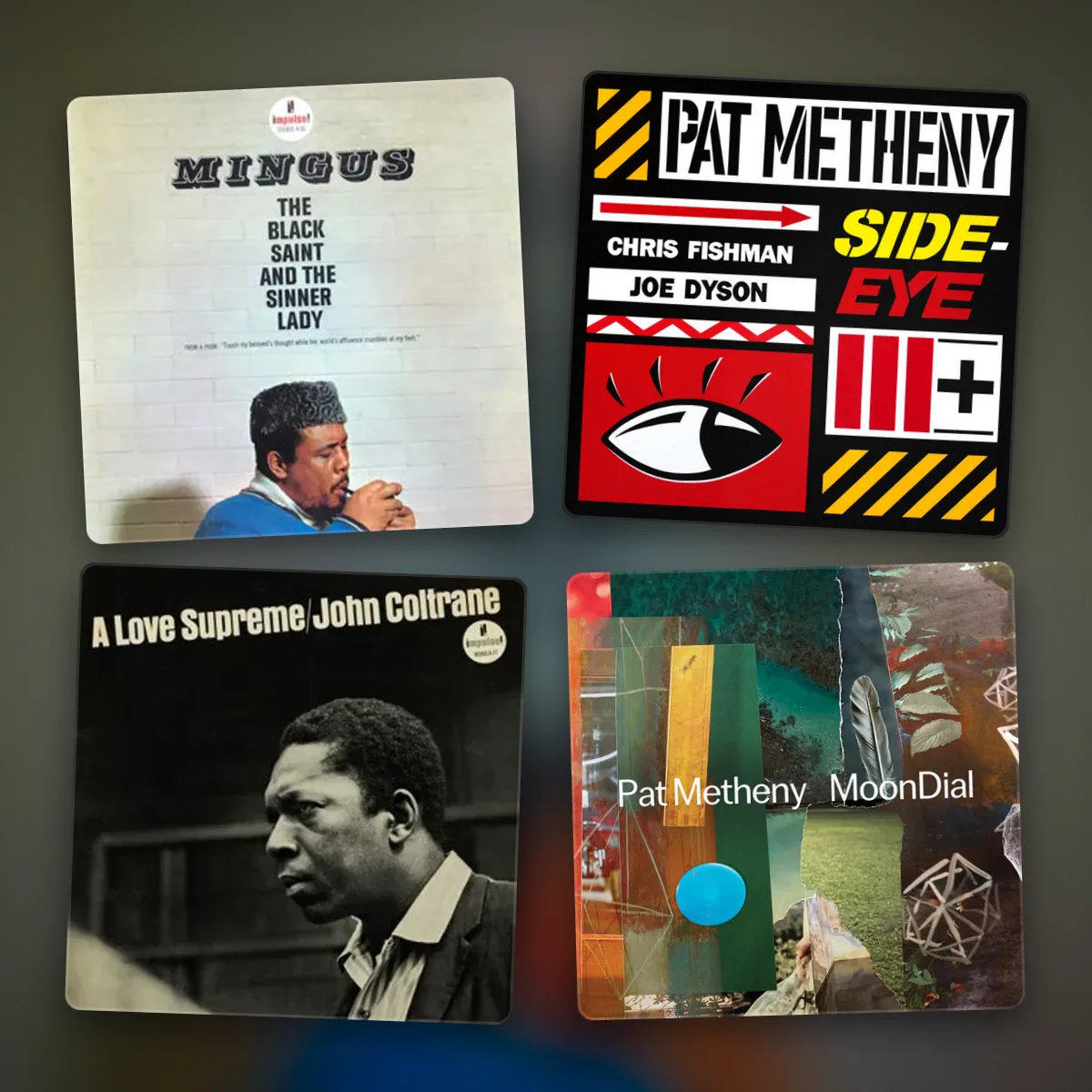
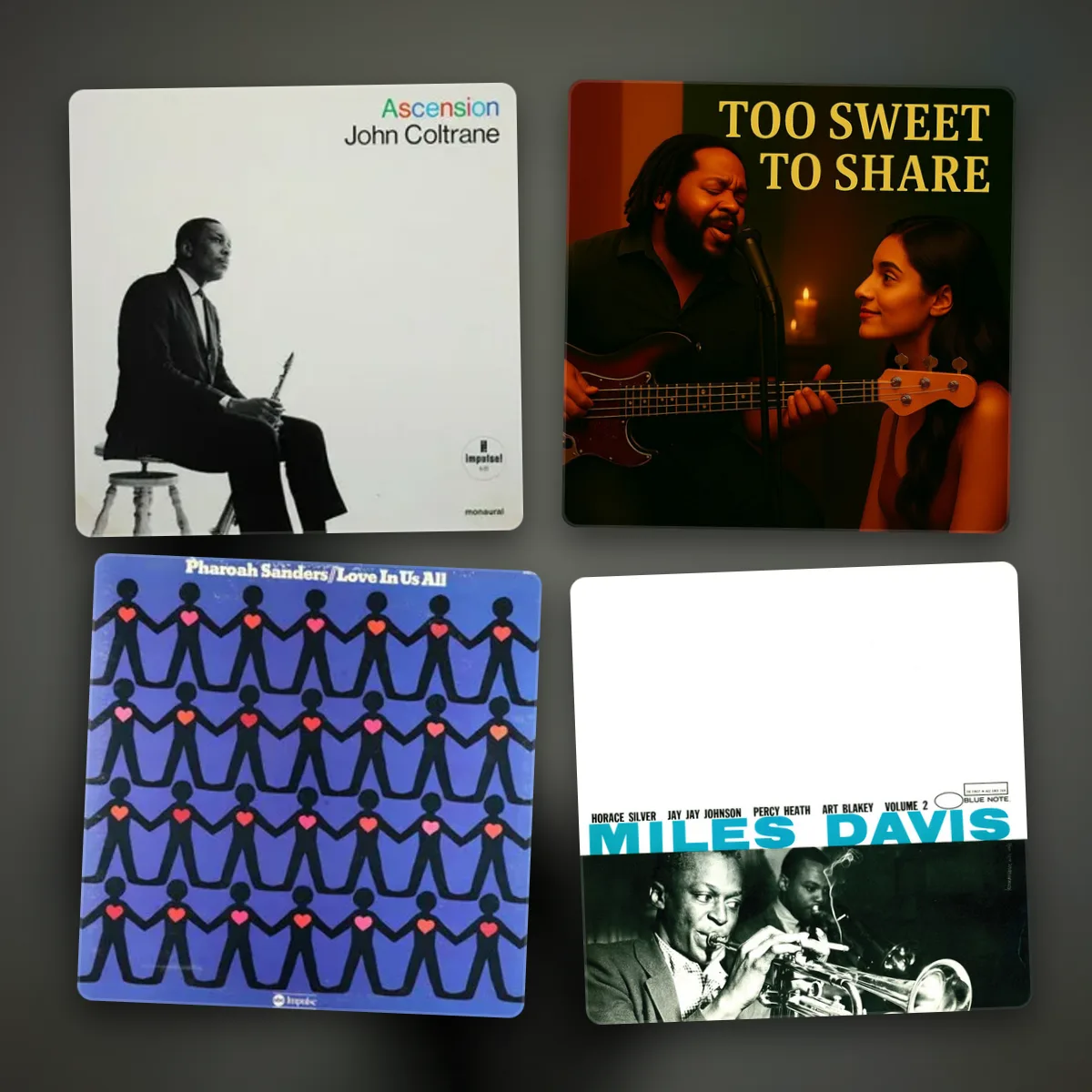
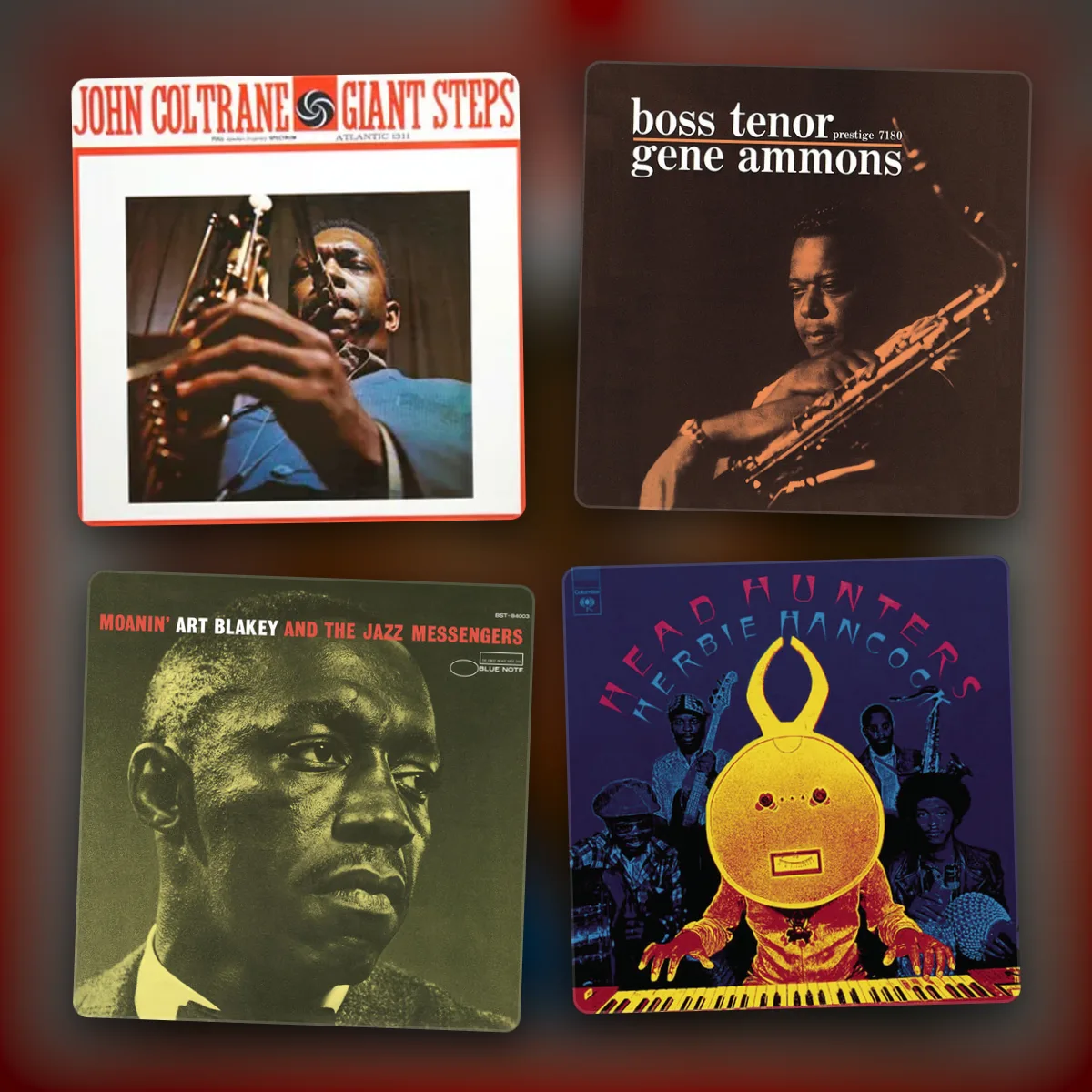
Top albums



Best playlists

Influenced by


Other similar genres
Genres sharing the most artists with Modern Free Jazz