Description
Modern funk is driven by tight, syncopated bass and drums, with clipped guitar rhythms, punchy horns and an energetic, swaggering feel. The name comes from Spotify’s genre map Every Noise at Once and The Sounds of Spotify’s playlist “The Sound of Modern Funk”; there is scant writing about it.
Much of the music sits close to funk, jazz-funk and funk rock. Bass lines lock in with the kick drum while busy hi-hats and snappy snares give the groove its momentum. Guitars move between clean, percussive scratches, sometimes colored by wah effects, and heavier overdriven riffs. Organ and other keyboards add weight, while brass sections punctuate some tracks with short, forceful phrases. The production is generally polished and punchy, with the rhythm section prominent in the mix.
The music ranges from danceable funk vamps to bluesy hard rock. Vocals are often in English and can be gritty, powerful or playful, with group chants adding to the impact on some tracks. Titles such as “Gotta Get Funky,” “We Can Move” and “Raise a Glass” fit the music’s upbeat, communal character. Many releases in the playlist date from the late 2010s.
Based on: Every Noise at Once, Spotify's genre tags and playlist

When did MUSIC stop sounding like THIS? #funk #disco #musicproducer #producer #funky
Jafunk
Build the groove
Start with a syncopated electric bass line and a tight drum-kit part. Lock the kick to key bass accents, add a firm snare backbeat and use busy hi-hats to keep the rhythm moving. A mid-tempo or fast pulse works well.
Arrange the band
Draw on funk and jazz-funk by keeping a vamp going while guitar, organ and brass trade short rhythmic phrases. Try muted guitar scratches or wah effects, and use horn stabs to emphasize breaks. For a funk rock edge, give the guitar a more overdriven riff without losing the bass-and-drum pocket.
Voice and production
Use an assertive lead vocal, with occasional group responses or chants. Keep the rhythm section clear and upfront in a punchy mix; brief ensemble stops can make the return to the groove more dramatic.
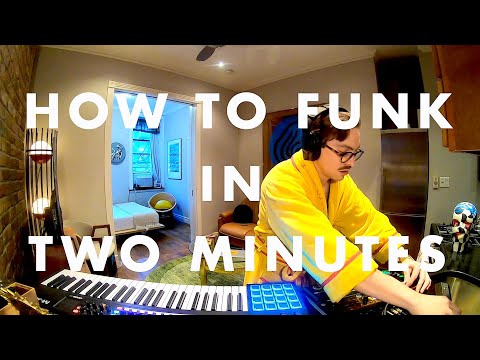
HOW TO FUNK IN TWO MINUTES
Marc Rebillet

How to make DARK RED FUNK from SCRATCH
PxterTutorials

Top albums
Best playlists


Influenced by

Other similar genres
Genres sharing the most artists with Modern Funk