Description
Distorted guitars, electric bass and hard-hitting drums give modern hard rock a driving, high-energy sound. The name is used by Every Noise at Once and Spotify’s genre labels, but attracts scant written discussion. Its songs often build on power-chord riffs and strong snare backbeats, with gritty, high-register English vocals rising into anthemic melodies and layered harmonies.
The sound sits close to hard rock and blues rock, drawing on heavy guitar chords and blues-based riffs, while its large choruses and polished production also recall arena rock. Guitars are often spread widely across the stereo mix; reverberant vocals, occasional keyboards and horns add further color. Some songs break up the steady pulse with pauses before the band drives back in.
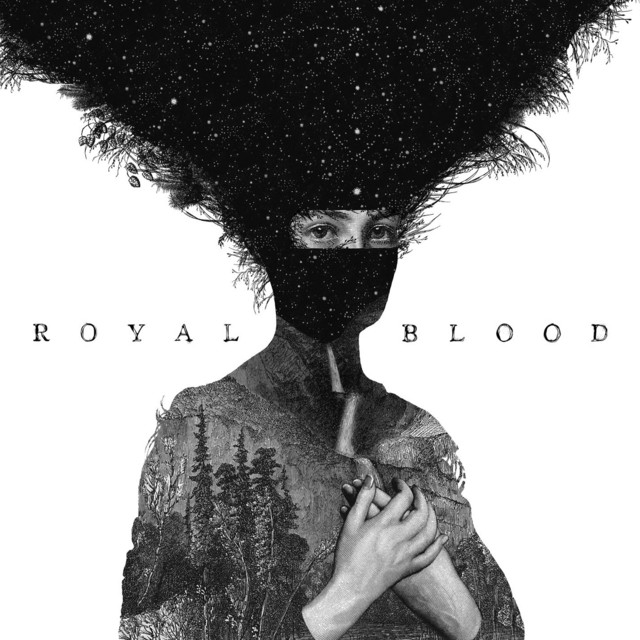
The mood tends to be urgent, dramatic and defiant, with minor or modal tonalities adding weight to the hooks. Titles such as “Against the Wall,” “Until I Die” and “House of Noise” suggest a taste for struggle and release. Much of the music associated with the style came out in the late 2010s, including Greta Van Fleet’s From The Fires and Royal Blood’s How Did We Get So Dark?
Based on: Every Noise at Once, Spotify's genre tags and playlist

Difference Between Rock And Metal Music
OPAL IN SKY

CLASSIC ROCK Is Alive: These 5 New Bands Prove It
Metal & Rock Zone
Build the band sound
Start with a distorted electric-guitar riff, electric bass and an acoustic drum kit. Use power chords and a firm snare backbeat for a driving hard rock foundation; draw on blues rock for riffs with a bluesy edge. Brief stops can make the return of the full band hit harder.
Write the vocal and arrangement
Set a gritty, forceful lead vocal against the riff, then lift the chorus with a soaring melody and layered backing harmonies. Arena rock is a useful reference for making the hook feel large and direct. Minor or modal harmony can give the song a tense, dramatic character.
Shape the mix
Keep the drums and vocals punchy and upfront, and spread guitars across the stereo field for a wide sound. Add reverb or delay to the vocal, and use subtle keyboard layers or horns for extra color where they serve the arrangement.

How I Write Chords Over Riffs | Rabea Massaad
musicisum

Metal Guitar VST Layers
Avery Berman

How To Write a Rock Song in 5 Easy Steps
Write Metal Music

The Secret To HUGE Sounding Rock Music Production
Produce Like A Pro

Top albums







Best playlists


Influenced by

Other similar genres
Genres sharing the most artists with Modern Hard Rock