Description
Modern indie pop centers on catchy English-language vocals, repeating chord patterns and guitar, often set against synths and a punchy low end. The name is used in Spotify’s genre labels and on Every Noise at Once, though the music has attracted scant written discussion.
Its artists move between intimate indie pop, acoustic singer-songwriter music, pop and R&B, and more heavily reverberant indie rock. Acoustic strumming and clean electric guitar are common, while some tracks add distortion, piano or deep synth bass. Drum machines bring crisp snares, claps and hi-hats to many songs; others use acoustic drums. The pace ranges from slow and unhurried to fast and bouncy, with laid-back grooves in between.
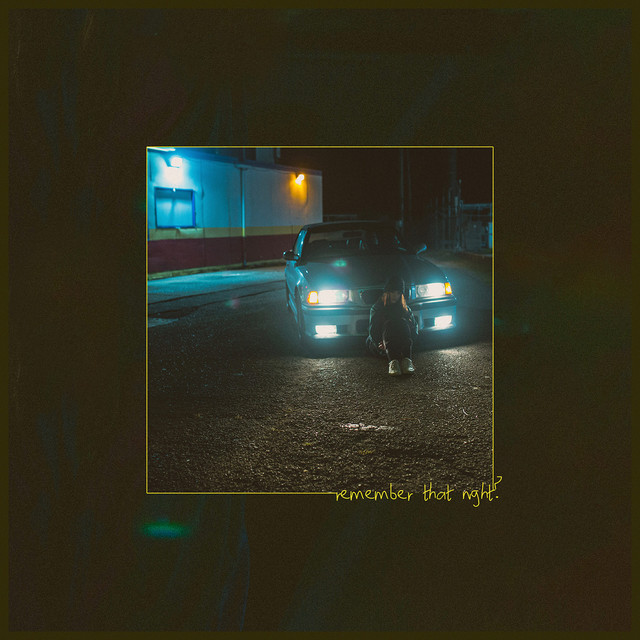
Voices are often breathy or conversational, with doubled lines, harmonies and occasional rap-like phrasing. Production can be clean and close-up or dense with reverb, and arrangements sometimes drop instruments away for contrast. The mood tends toward reflection, yearning or angst, though there are sunny, playful songs too. Titles such as “Remember That Night?”, “girlfriend” and “People I Don't Like” suggest an interest in relationships and everyday feelings. Much of the music on the associated playlist comes from the early 2020s.
Based on: Every Noise at Once, Spotify's genre tags and playlist
Start with a song
Build a catchy vocal melody over a simple repeating chord progression. Take cues from indie pop’s direct melodic songwriting and bedroom pop’s intimate presentation. Write in a conversational voice, leaving room for both reflective and playful subjects.
Arrange the track
Use acoustic strumming or clean electric guitar as a foundation, then add bass and synths or pads. Program a crisp kick-and-snare beat with claps or hi-hats, or use an acoustic kit for a more band-like feel. Try a slow, spacious pulse or a quicker, bouncy groove.
Shape the vocal and mix
Keep the lead vocal close and expressive; add doubles or harmonies around key phrases. Borrow a rhythmic delivery from R&B where it suits the song. For contrast, briefly strip back the drums or other layers, then bring them back into a full, polished mix. Reverb and distortion can create a denser indie-rock texture.

How To Make An Indie Pop Love Song 💕
Breezee

Making a Nostalgic Indie Pop Song (Djo, Dayglow, mk.gee)
Trev Barnes

Indie Rock Music Production For Beginners (Step By Step Masterclass)
Ethan Davis

Making an Indie Pop Song with Stock Logic Plugins (Dayglow, Two Door Cinema Club, STRFKR)
Trev Barnes

Top albums







Best playlists



Other similar genres
Genres sharing the most artists with Modern Indie Pop