


Description
Modern reggae combines reggae’s rhythmic foundation with a range of contemporary sounds. Some artists emphasize live instrumentation, dub influence and poetic lyrics; others blend reggae with Afrobeats, R&B, hip-hop, Latin rhythms or electronic production.
Its subjects include love and identity as well as social injustice, faith and spiritual awareness. The term covers both a renewed interest in reggae’s roots and more outward-looking fusions, rather than a single fixed production style.
Based on: thereggaemuseum.com, caribbeanemagazine.com
More on: Every Noise at Once

The Difference Between Ska, Rocksteady, and Reggae
Billy DeCristofano
History
A modern era
In the 21st century, reggae has continued to develop through both renewed attention to traditional sounds and combinations with other styles. Modern reggae’s international reach includes scenes in the UK, Europe, Africa, the United States and Latin America.
Reggae Revival and fusion
Emerging in the early 2010s, the Reggae Revival brought renewed attention to spiritual awareness, African consciousness and cultural pride. Its artists drew on live playing, dub and poetic lyricism while using contemporary tools. Alongside that revival, modern reggae artists have explored fusions with genres including Afrobeats, R&B and hip-hop.
Build the foundation
Start with a reggae-based groove and decide whether to emphasize a live-band sound or a more electronic texture. For a live approach, let the rhythm section establish a steady pulse, leaving space between instrumental parts. A common reggae approach is to place short chord accents on the offbeats.
Shape the sound
For a dub-influenced treatment, experiment with echoes, reverberation and dropping parts in and out of the arrangement. You could also introduce elements associated with Afrobeats, R&B, hip-hop or Latin rhythms, while keeping the reggae foundation recognizable.
Write and arrange
Poetic lyrics can give the song a roots-oriented character. Consider themes such as love, identity, spiritual awareness or social conditions. Leave room in the arrangement for the voice and instrumental textures to answer one another.

How to make a reggae song/ Reggae tutorial
Pacer Studio

Reggae Production Tricks! Part 1 😂
Canaan Ene

HOW TO MAKE A ROOTS REGGAE RIDDIM IN FL STUDIO
WILLY WHEELZ MUSIC - LETS PRODUCE

5 REGGAE PRODUCTION TIPS I Wish I Knew When I Started
DM Kahn

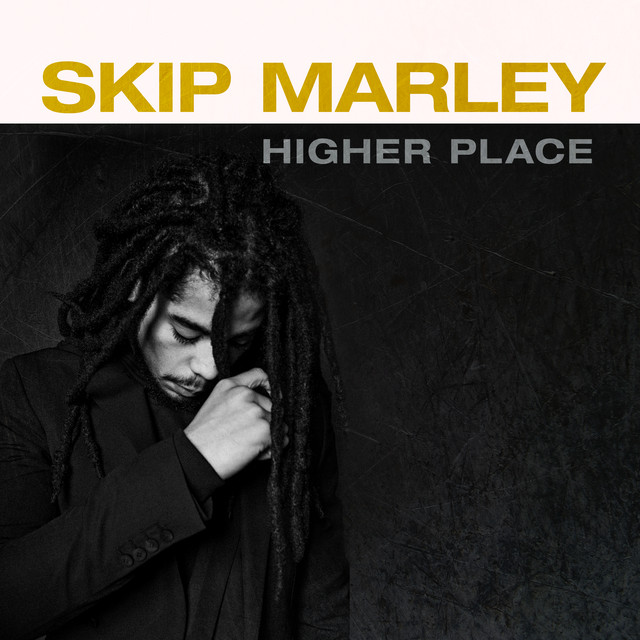
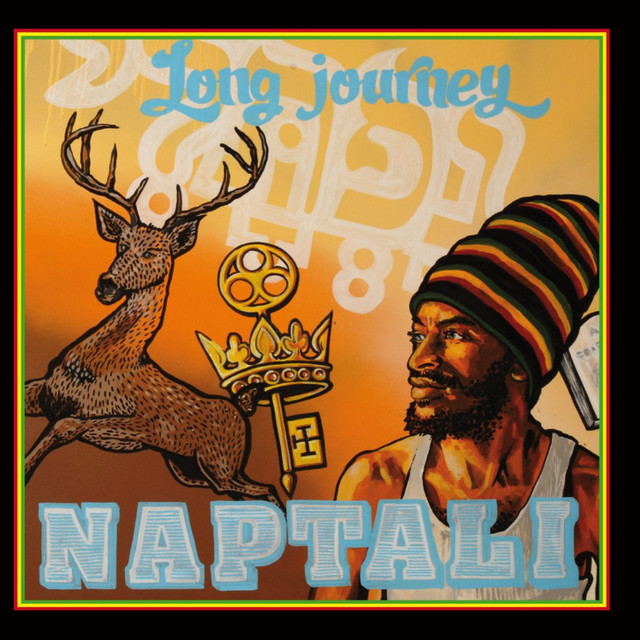
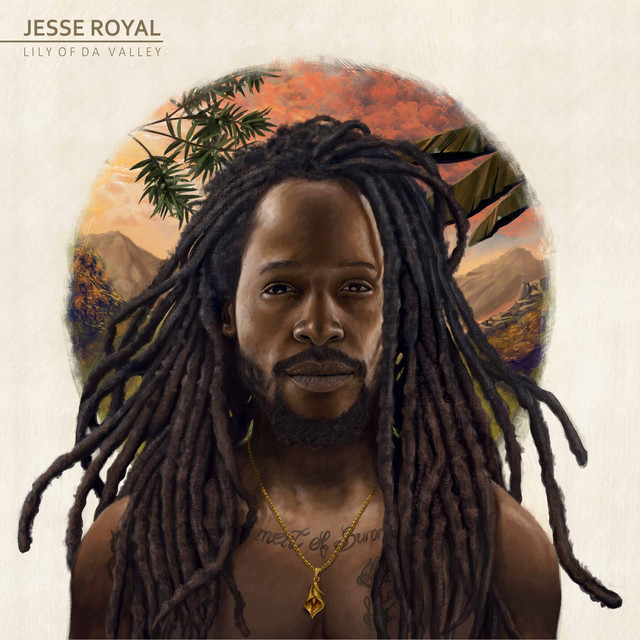
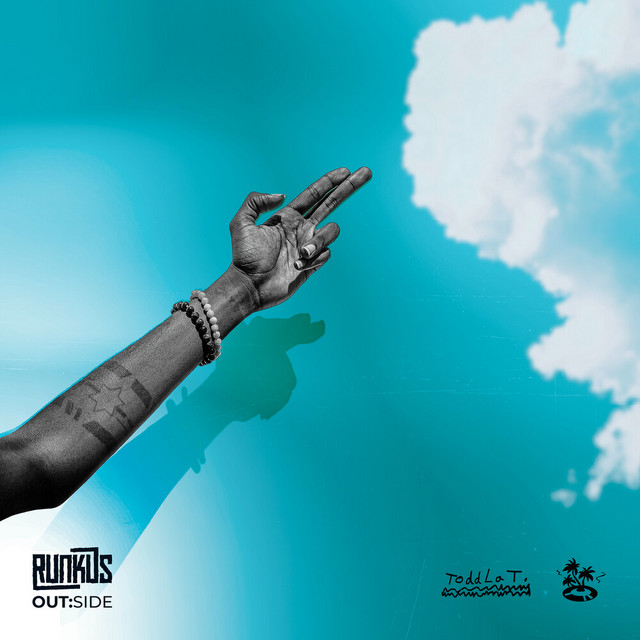
Top albums



Best playlists


Influenced by


Other similar genres
Genres sharing the most artists with Modern Reggae


