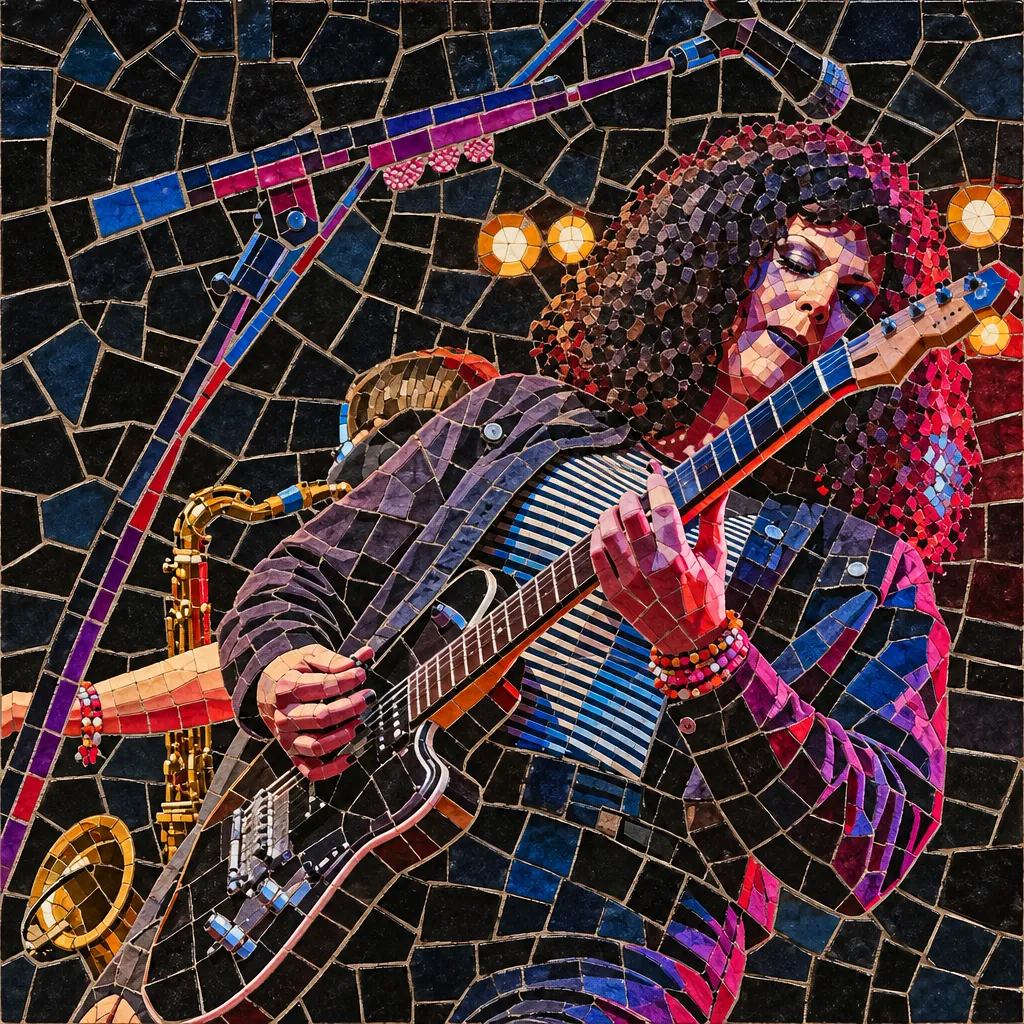
Description
Fast drums, distorted guitars and bright horn lines give modern ska punk a punchy, high-energy sound. The term is used by Every Noise at Once, a map of genres identified by Spotify, and by the Spotify playlist “The Sound of Modern Ska Punk”; beyond these, there is scant writing devoted to it.
The music ranges from ska punk with springy offbeat guitar strokes and brass to more straight-ahead, anthemic pop punk. Bass and acoustic drums drive the songs forward, with sharp snare backbeats and crashing cymbals. Guitars often alternate between choppy, cleaner strumming and thick power chords. Horns can carry lively melodic lines or add short, emphatic bursts.
Vocals are often high, forceful and melodic, sometimes supported by harmonized backing voices; some songs add a raspier scream. The mood can be playful and rowdy or urgent and passionate, while the production tends to be loud, dense and upfront. Most lyrics are in English, and titles such as “Rebellion Island” and “Choose My Friends” sit alongside more whimsical ones such as “Merry Kitchen.” Much of the playlist’s music comes from the 2010s.
Based on: Every Noise at Once, Spotify's genre tags and playlist

What is ska? | WITF Music
Mosaic

How ska music was invented 🎶
Jon the Dad
Build the rhythm
Start with a fast, driving drum-kit beat, a punchy snare backbeat and an active electric bass line. Draw on ska for clipped guitar strokes on the offbeats, then shift into the distorted power chords and forceful momentum of punk and ska punk.
Add melodies and horns
Write a catchy, high-register vocal melody that can be belted with urgency. Use harmonized backing vocals to reinforce the hook. Add trumpet, trombone or saxophone lines for bright melodic phrases or short rhythmic accents.
Shape the arrangement and mix
Contrast choppy, cleaner guitar passages with louder full-band sections. Keep the drums and vocals upfront, and give the distorted guitars a broad, dense sound without burying the offbeat rhythm or brass.

Let's record a 90s Ska Punk song!
Songs By Spencer

Top albums
Best playlists

Influenced by


Other similar genres
Genres sharing the most artists with Modern Ska Punk