Description
Buoyant swing rhythms, walking upright bass and crisp acoustic drums give modern swing a lively, danceable feel. Piano supports the groove, while brass and woodwinds often trade punchy, syncopated phrases with a soloist. The name comes from Every Noise at Once, a map of genres identified by Spotify, and The Sounds of Spotify’s playlist “The Sound of Modern Swing”; published descriptions are scarce.
The music sits close to swing and big band jazz, ranging from small combos to larger horn ensembles. Its pulse can be relaxed or fast, but tends to stay bouncy and steady, with ride cymbal, snare and sometimes brushes keeping time. Blues-inflected harmony and playful instrumental solos add to the music’s cheerful, energetic character.
Many tracks are instrumental. When voices enter, they tend to be expressive and theatrical, with English-language singing or speech-like phrases. The acoustic recordings put soloists and singers up front, sometimes with a narrow, vintage-style sound and sometimes with a cleaner, more spacious mix. Much of the playlist’s music was released in the 2010s.
Based on: Every Noise at Once, Spotify's genre tags and playlist

What is Electro Swing? Electro Swing Explained in 2 minutes
Dave Wave

Why Swing Is The Superior Music Genre
Smartypants

Modern Swing Pod Ep 01 - " The Day WCS Died "
ModernSwingPod

Why 'Modern Swing' is Gaining Popularity Alongside West Coast Swing 🎶💃
D'Amico Dance
Build a swing rhythm
Start with a steady, bouncy swung pulse. Use walking upright bass and acoustic drums, with ride cymbal and snare keeping the motion clear; brushes can give the beat a lighter touch. Choose a relaxed or fast pace while keeping it easy to dance to.
Arrange the ensemble
Draw on swing and big band jazz: add piano chords beneath trumpets, trombones and saxophones, then write short, syncopated horn riffs that answer a soloist. Leave room for improvised lines and blues-inflected harmony. A smaller combo can use the same approach with fewer horns.
Record and perform
Keep the instruments acoustic and let the room sound come through. Bring the lead instrument or singer forward in the mix. For a vocal track, try an expressive, conversational delivery that matches the playful rhythm.

ElectroSwingDance Tutorial with Magdalena💃🏽💥🎺
Electro Swing Thing

How To Get Boom-Bap SWING Like J Dilla
Cableguys

3-min music lesson: the transition from Swing to Bebop. #harmonica #bebop #swing
Howard Levy

How To Make An Afro Swing Beat In 2026 | FL Studio Tutorial
Producer Mykah

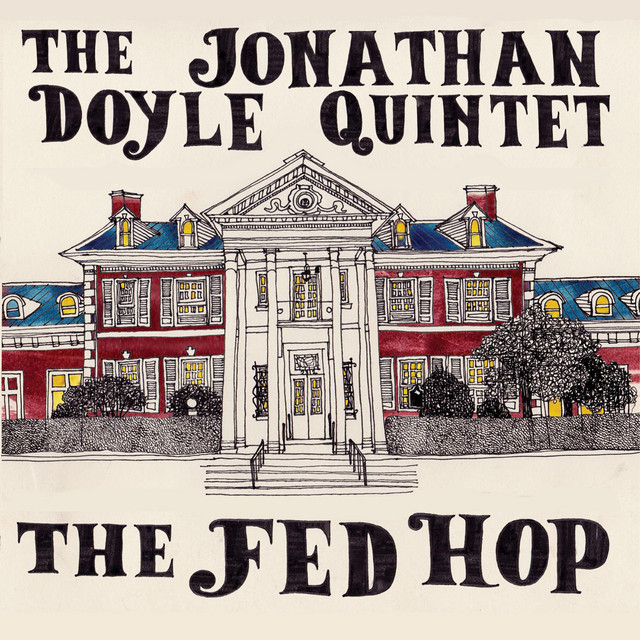
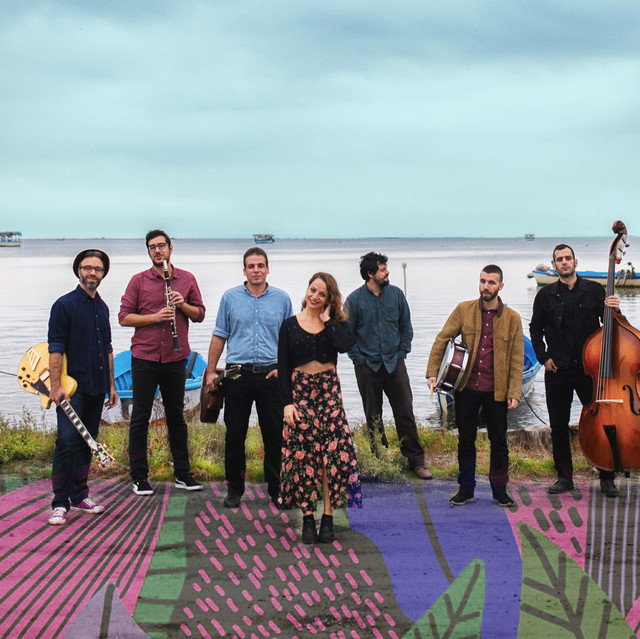
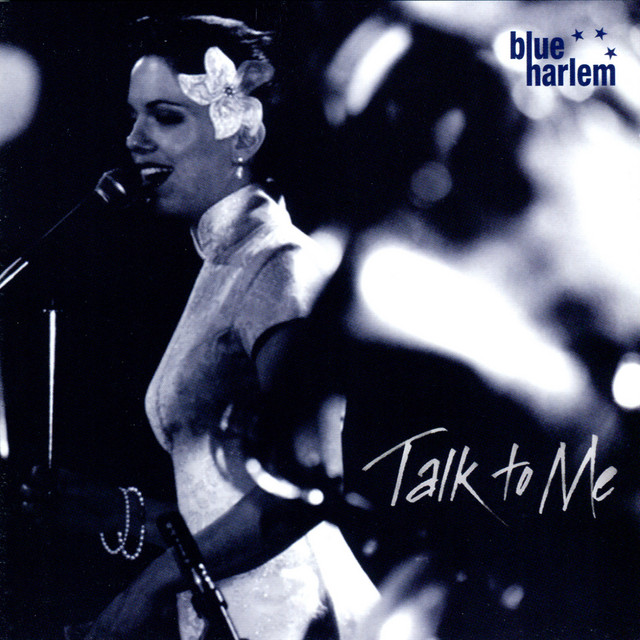
Top albums



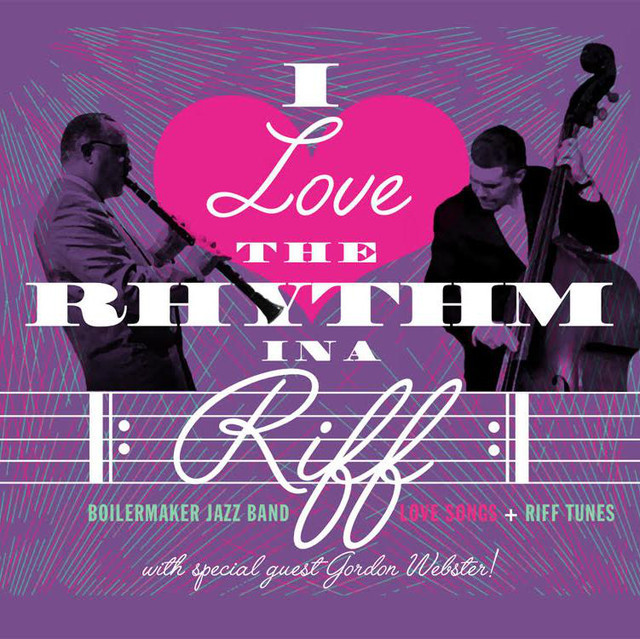

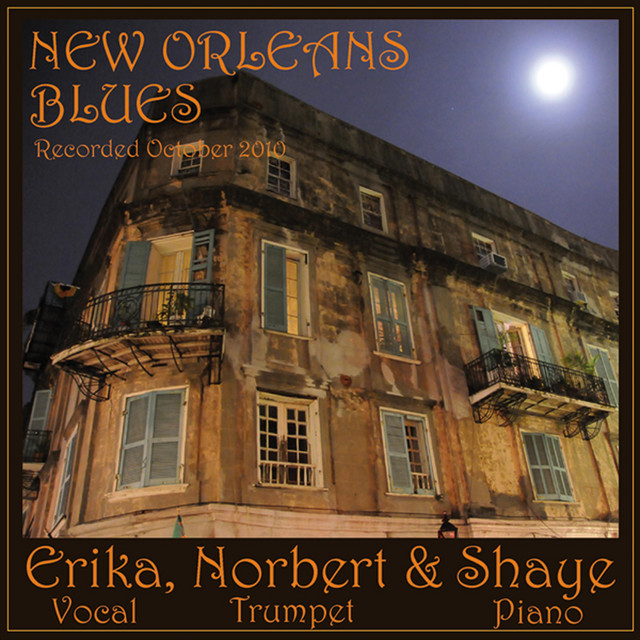
Best playlists
Modern Swing
Melodigging
The Sound of Modern Swing
Every Noise at Once
Modern Swing
Chosic

Best of Modern Swing
volt.fm

1940s Big Band Swing: Classic Hits & Vintage Vibes
Relaxing Land
Influenced by


Other similar genres
Genres sharing the most artists with Modern Swing