Description
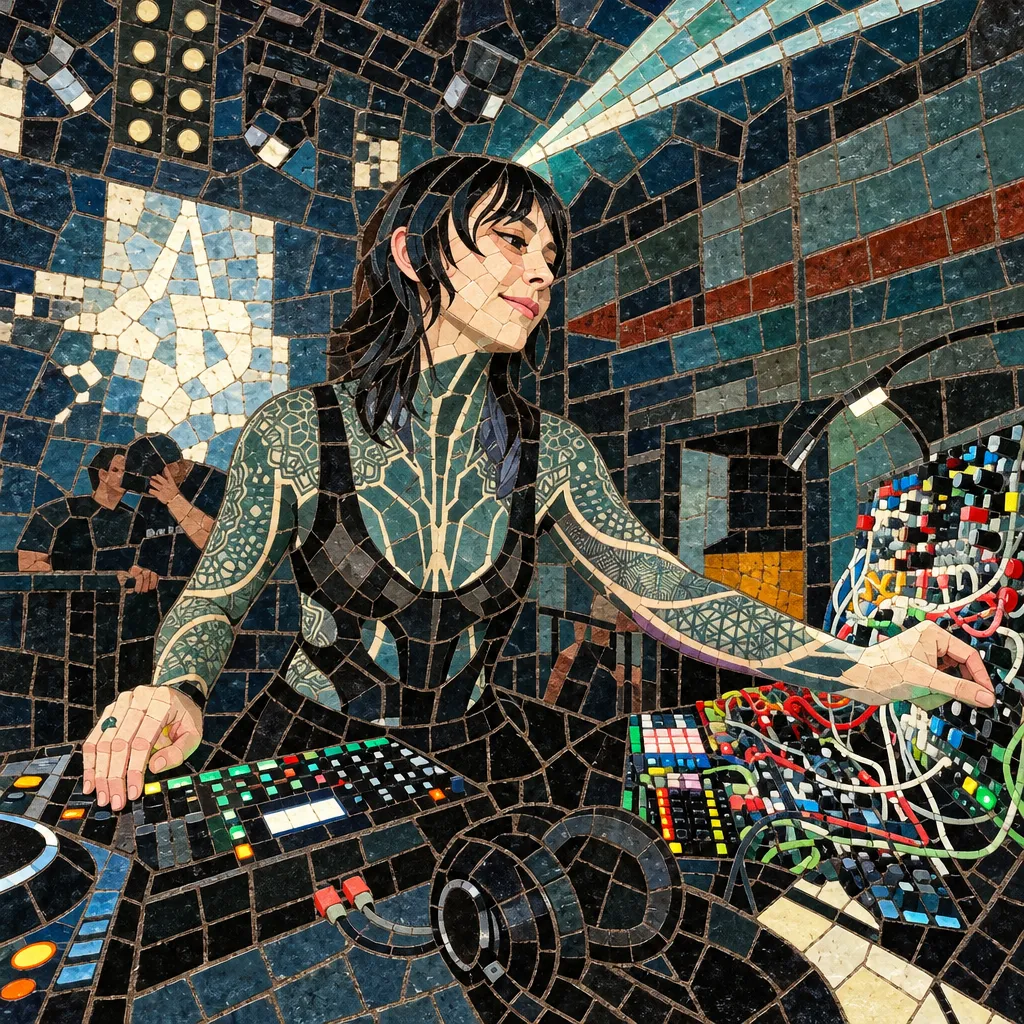
Modular techno combines the rhythmic framework of techno with sound design built around modular synthesizers. Sequencers can control several sound parameters at once, producing irregular, shifting patterns rather than an entirely fixed loop. Randomization and stochastic sequences are characteristic tools.
In performance, patching modules and manipulating control-voltage and gate signals can let the artist reshape sounds and rhythms in real time. Shorter patterns and modulation can give the music a rolling sense of movement.
Based on: monumental-movement.jp, studiobrootle.com
More on: Every Noise at Once

Tech Talk: Vera Grace - How Modular Gear Shapes Her Hypnotic Techno Sound (Electronic Beats TV)
Telekom Electronic Beats TV
History
Foundations
Modular techno draws on two earlier developments: analog modular synthesizers, which emerged in the 1970s, and Detroit techno, which took shape in the 1980s. The former supplies a flexible approach to sound generation and control; the latter is part of the genre’s techno background.
Emergence
As a genre, modular techno dates to the early 2000s. Its emphasis on sequencing and live patching brings sound design and rhythmic performance closely together.
Build a techno framework
Begin with a repeating rhythmic structure and use a modular synthesizer to create or shape its sounds. Patch a sequencer to trigger events and control sound parameters, so that the pattern and the timbre can develop together.
Add movement
Try sequences of different lengths, including a shorter pattern that rolls against the main rhythm. Modulate parameters as the sequence plays, and use randomization or stochastic sequencing to introduce variations. Listen for a balance between a recognizable rhythmic foundation and less predictable changes.
Develop the performance
For a live approach, prepare patches that can be altered while playing. Manipulate control-voltage and gate connections or adjust sequencer settings in real time to change sounds and rhythmic events as the piece unfolds.

How to make a TINY live techno modular synth in only 62HP.
mylarmelodies

MODULAR Synths - Become An EXPERT In 10mins (eurorack tutorial)
CROW HILL

HOW TO GET STARTED with MODULAR LIVE TECHNO | 84 HP Tiny Techno Case
Nero Di Seppia

Introduction to making modular Techno - Basic modules and considerations
Monotrail Tech Talk

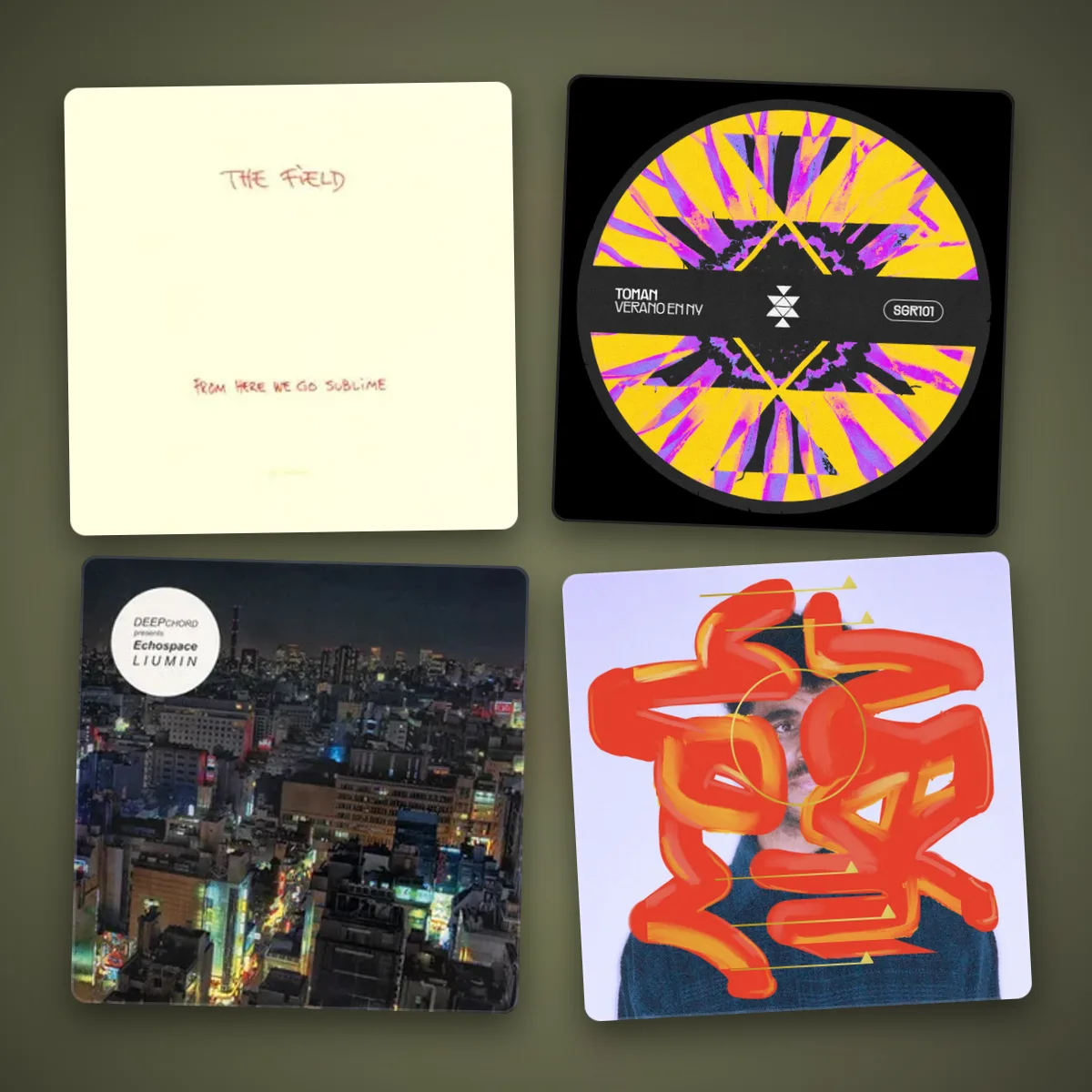
Top albums




Best playlists


Influenced by

Other similar genres
Genres sharing the most artists with Modular Techno