Description
Lively syncopated rhythms, buoyant bass lines and expressive Portuguese-language singing run through música popular amazonense, from accordion-led dance music to distorted alternative and pop-rock. The name is used by Every Noise at Once and The Sounds of Spotify’s playlist, though published commentary on it is scarce.
Much of the music moves at a lively or fast pace. Dance-oriented tracks can pair accordion melodies with a quick two-step pulse, metallic triangle and bright horn accents; rock-oriented tracks lean on heavy drum beats, cymbal crashes and distorted electric guitars. Bass and drums are common foundations, while keyboards or organ add color to some arrangements.
Vocals are generally prominent and expressive, often supported by harmonies, doubled voices or call-and-response. The delivery can be playful and energetic or urgent and emotionally forceful. The studio sound is typically clean and polished, ranging from warm, natural textures to punchy full-band mixes and dense, loud guitars. Song titles suggest themes of love, dancing, rivers and everyday life.
Based on: Every Noise at Once, Spotify's genre tags and playlist
Rhythm and foundation
Start with a lively, syncopated groove. Give electric bass a bouncy line that works closely with a firm drum-kit pulse, and leave room for the vocal to sit prominently in the mix.
Choose an arrangement
For a dance-oriented approach, draw on forró: use a quick two-step rhythm, accordion fills and bright triangle subdivisions, with horn accents for extra lift. For a rock-oriented approach, build around a heavier drum beat, cymbal crashes and distorted electric guitars. These can be distinct approaches rather than ingredients that all need to be combined.
Voice and production
Write a memorable melody in Portuguese and try harmonized backing vocals, doubled lines or call-and-response. Keep the recording polished and the lead voice clear, whether the mood is festive and playful or more intense.

Top albums
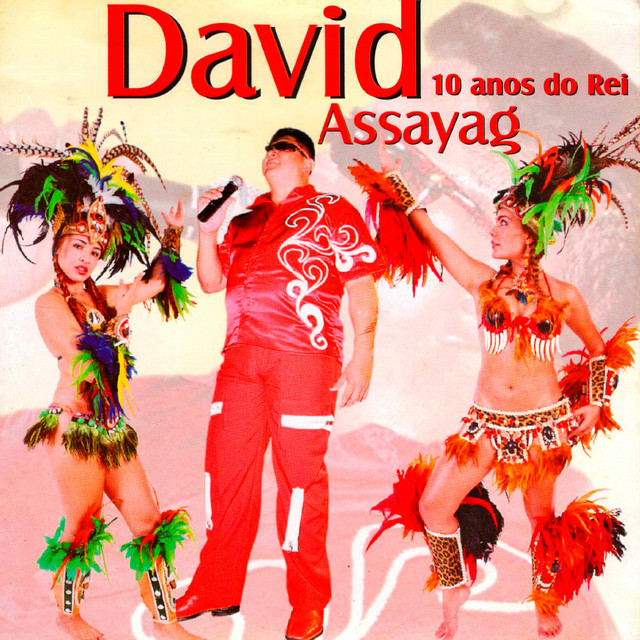



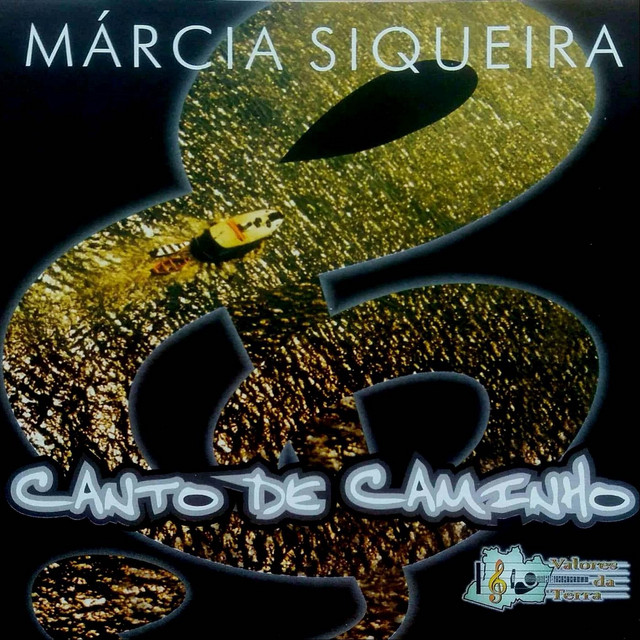





Best playlists


Influenced by

Other similar genres
Genres sharing the most artists with Musica Popular Amazonense