Description
Crisp acoustic guitars, buoyant bass lines and Spanish-language singing give música sudcaliforniana a lively, often swaying sound. The term is catalogued by Every Noise at Once and Spotify’s “The Sound of Música Sudcaliforniana” playlist, with scant published discussion. The music tends to be bright and energetic, balancing festive confidence with romantic longing.
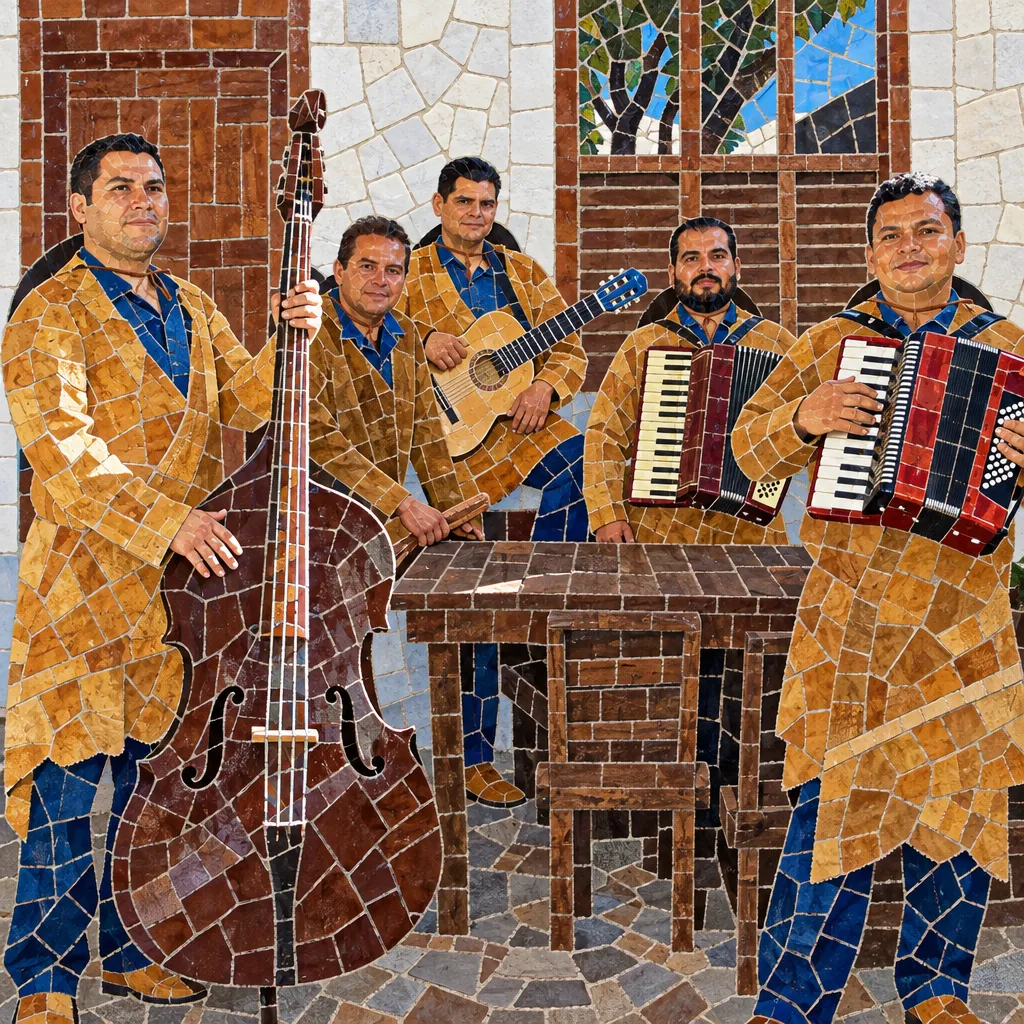
Many songs move to a bouncing waltz pulse: guitars strike the offbeats while tuba or bass anchors the downbeats and adds walking fills. Others use a polka or two-step rhythm, with accordion leading over bass, guitar and drums. Quick, decorative guitar or accordion phrases answer the singers, whose mid-to-high voices often meet in close two-part harmony. The production is generally clean and forward, with prominent vocals and a weighty low end; some recordings have a live feel.
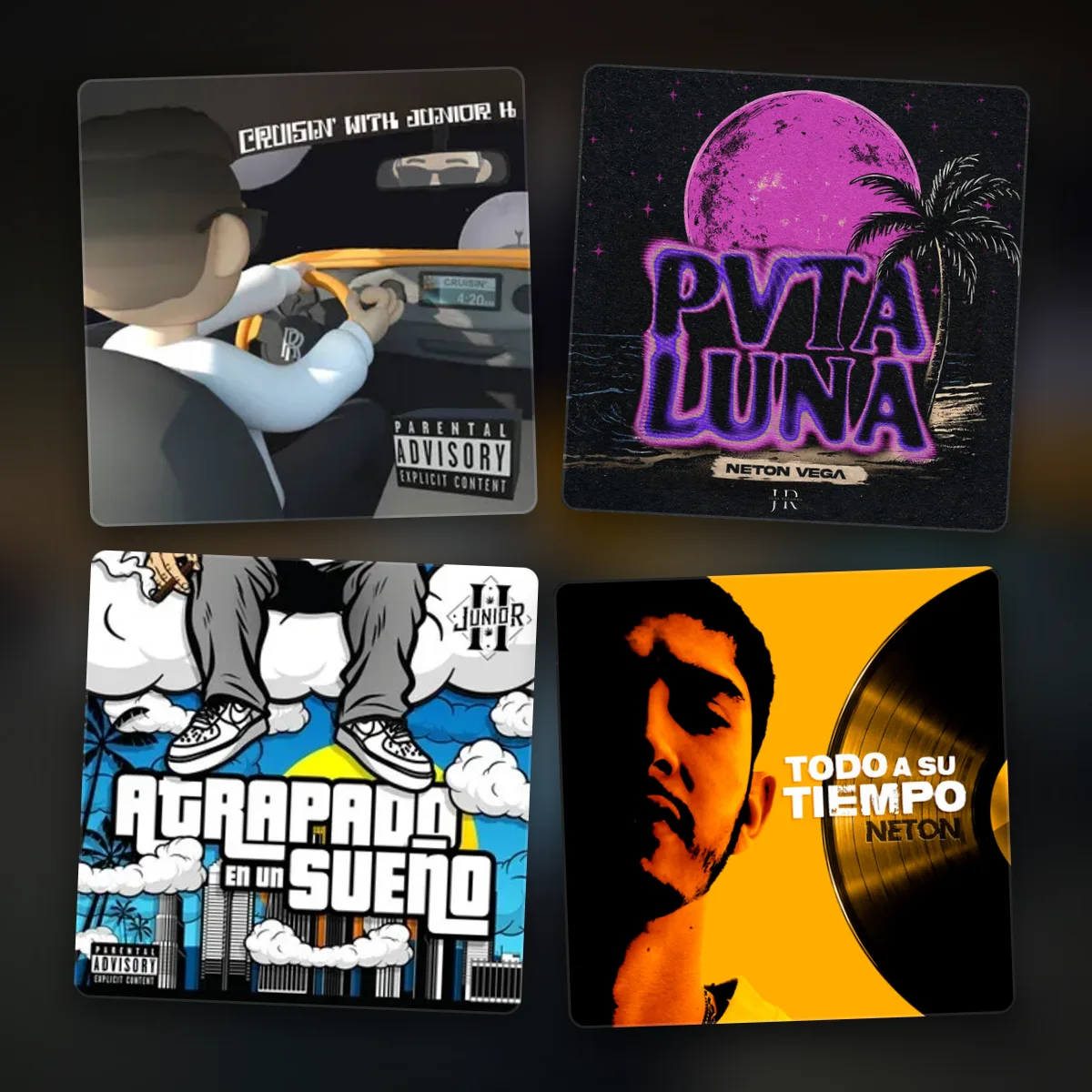
The music sits close to sierreño, with its guitar-led norteño sound, as well as norteño and the narrative song tradition of corrido. Titles suggest songs of love and friendship alongside portraits of named characters. Releases in the playlist are mostly from the early 2020s, and include both studio recordings and live performances.
Based on: Every Noise at Once, Spotify's genre tags and playlist
Rhythm and ensemble
Build a lively waltz around crisp steel-string acoustic guitar strums on the offbeats. Let a tuba or bass instrument emphasize the downbeats and add walking fills. For a norteño-oriented variation, give accordion the lead and add a drum kit for a polka or two-step pulse.
Voices and melody
Write Spanish-language lead vocals in a mid-to-high register, adding a second voice in close parallel harmony. Leave space after vocal phrases for nimble guitar or accordion answers. Keep the harmony direct and largely major-key; draw on corrido for narrative songs and sierreño for a guitar-led arrangement.
Production
Keep the vocals upfront, the guitar attack clear and the low end full and punchy. A clean studio mix or a more immediate live sound can both suit the music.

Top albums







Best playlists

Influenced by